

Acromyrmex lundii
- Scientific Name
- Acromyrmex lundii
- Tribe
- Attini
- Subfamily
- Myrmicinae
- Author
- Guérin-Méneville, 1838
- Distribution
- Found in 5 countries
Acromyrmex lundii Overview
Acromyrmex lundii is an ant species of the genus Acromyrmex. It is primarily documented in 5 countries , including Argentina, Brazil, Colombia. Detailed taxonomic data and occurrence records can be further explored via authoritative databases such as AntWeb or the Global Biodiversity Information Facility (GBIF).
Acromyrmex lundii
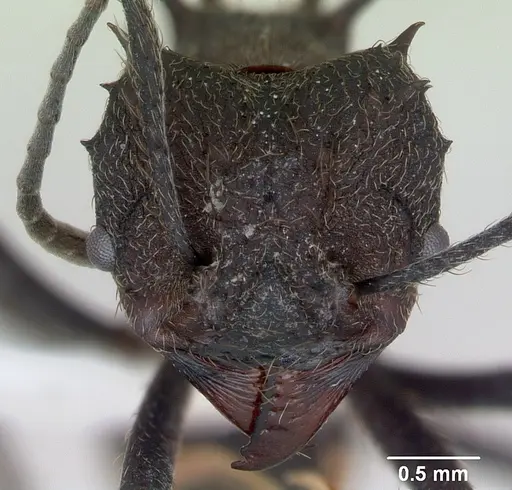
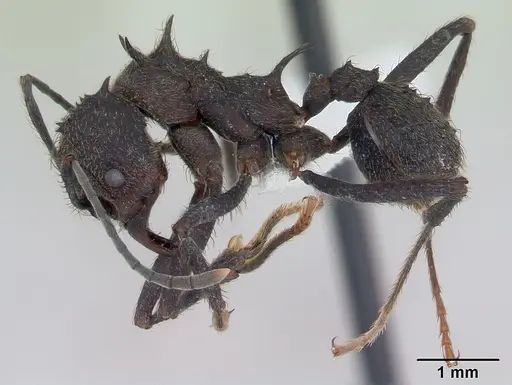
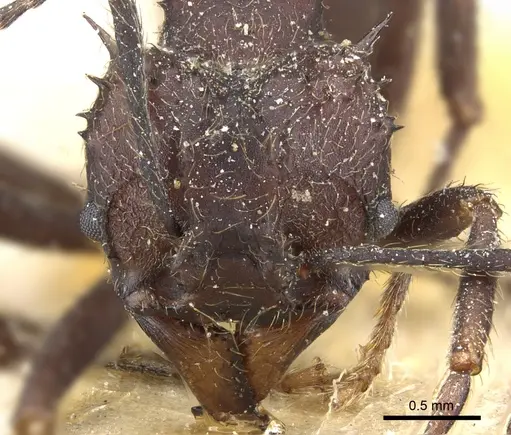
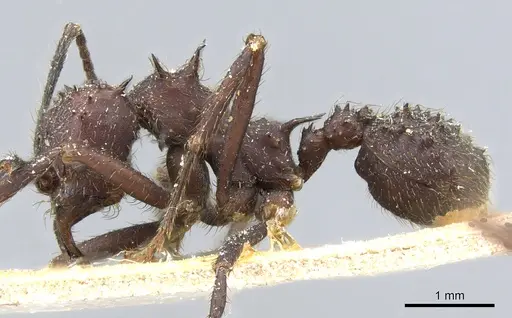
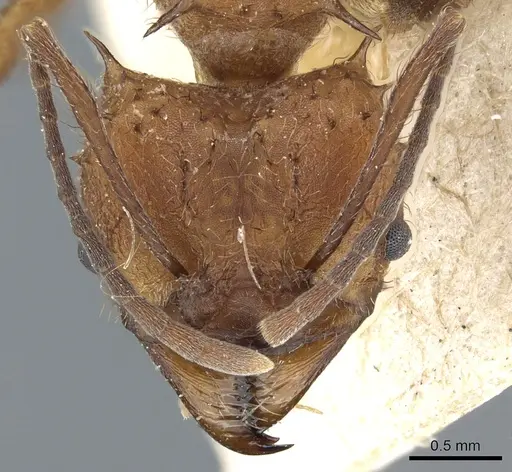
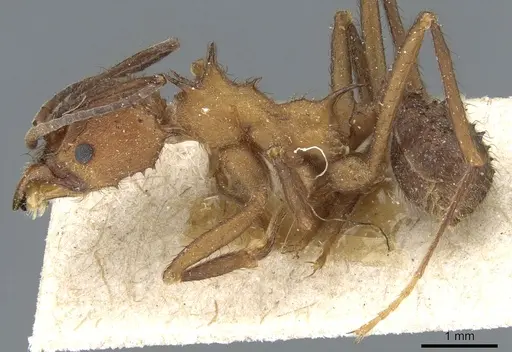
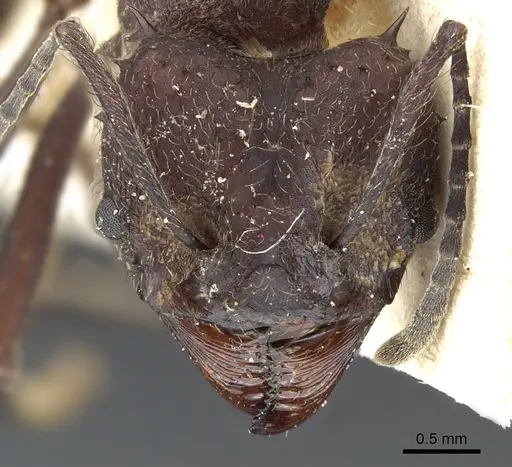
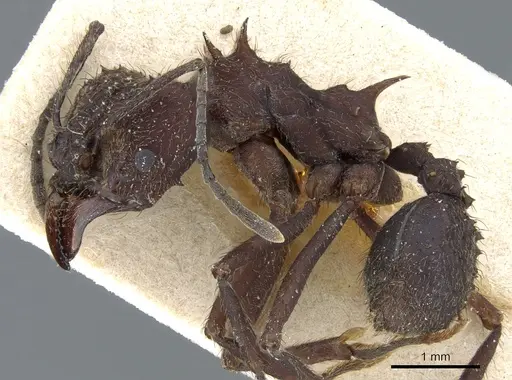
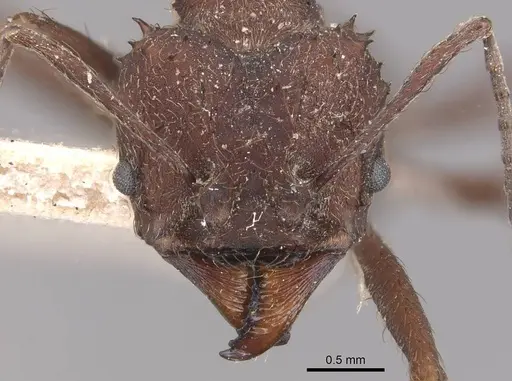
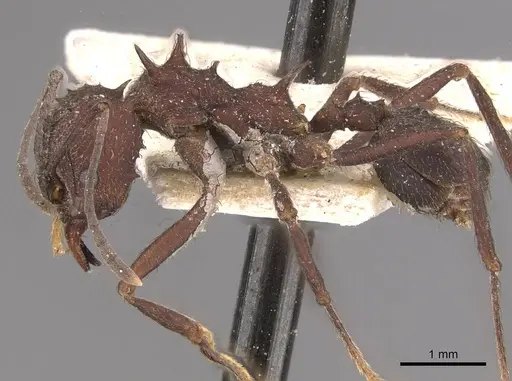
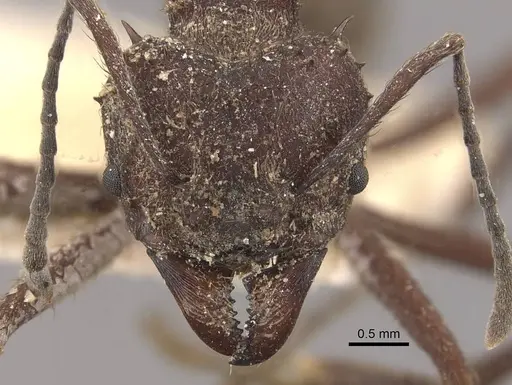
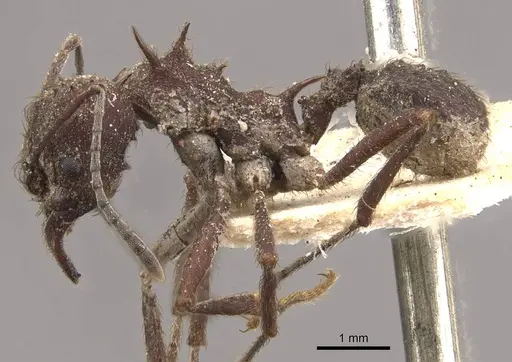
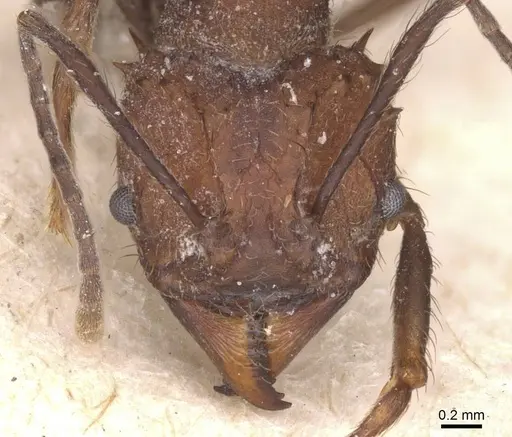
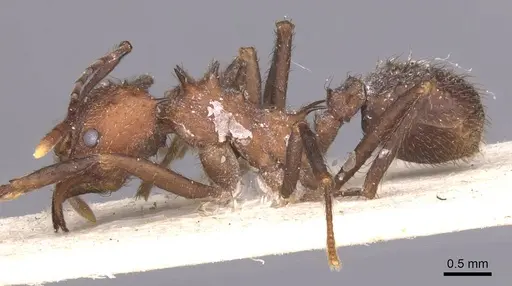
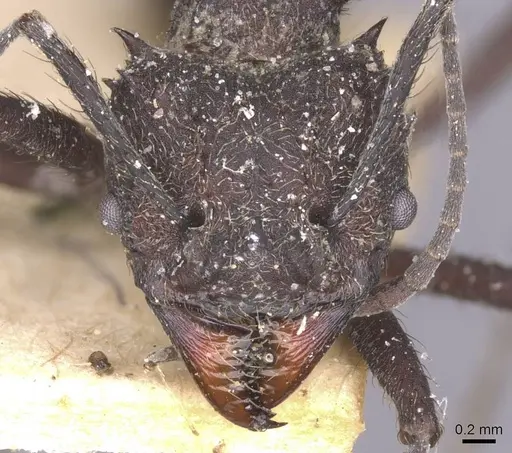
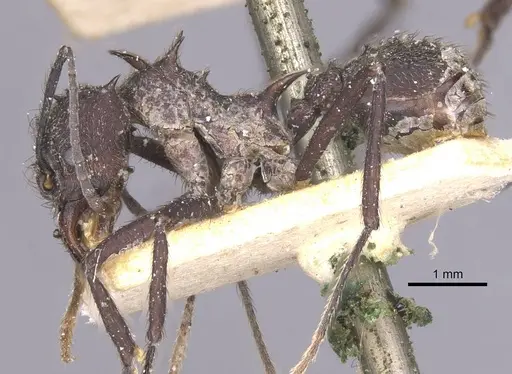
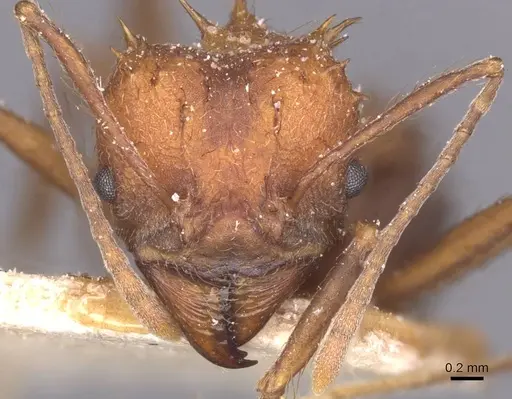
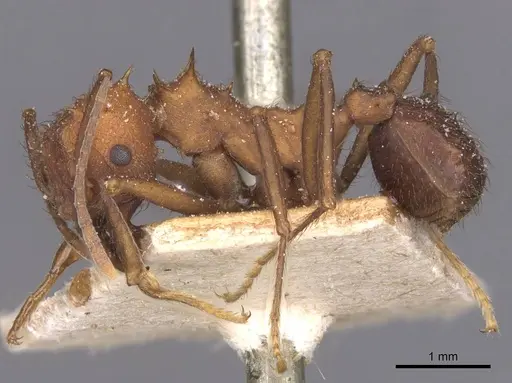
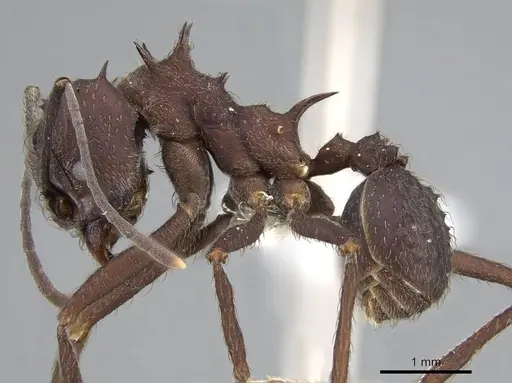
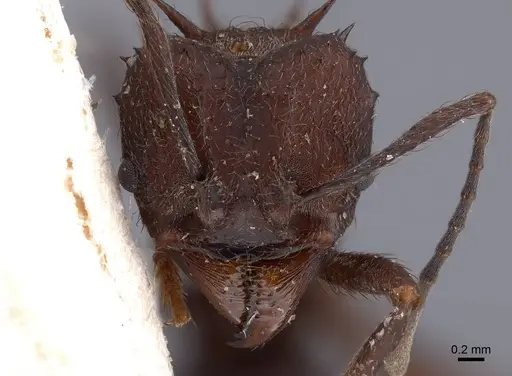
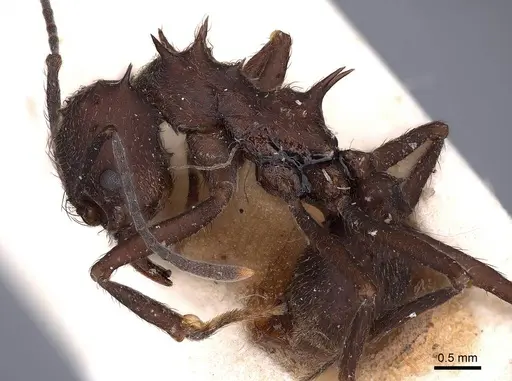
Acromyrmex lundii is a medium-sized leaf-cutting ant native to southern South America, found in Argentina, Brazil, Paraguay, and Uruguay [1][2]. Workers measure 5.5-7 mm and display a distinctive thimble-like punctate sculpture across the body [3]. In nature, they construct elaborate thatch mounds interlaced with tree roots, housing underground fungus gardens up to 40 cm deep and 1.8 meters long [4]. These ants are significant agricultural pests throughout their range, damaging cereal crops and gardens [5][6]. They also serve as hosts for the social parasite Pseudoatta argentina and the cockroach Attaphila bergi [7][8].
These ants display a peculiar innate behavior: when navigating without visual cues, they show a strong preference for turning left (counter-clockwise), choosing left branches approximately twice as often as right branches in maze experiments [9]. They also use carbon dioxide concentrations as spatial cues, positioning their fungus gardens at soil depths where CO2 levels favor fungal growth [10]. Unlike some leaf-cutting ants, they may have reduced associations with antibiotic-producing bacteria, instead relying on metapleural gland secretions to protect their fungus gardens [5].
Quick Summary
- Difficulty: Expert
- Origin & Habitat: Southern South America (Argentina, Brazil, Paraguay, Uruguay), found in forests, agricultural areas, and the Caldenal district [1][2][11]
- Colony Type: Single-queen (monogyne) colonies, genetic analysis confirms obligate monogyny with queens mating with 1-6 males [12]
- Colony: Monogyne
- Size & Growth:
- Queen: Unknown, not specified in available research
- Worker: 5.5-7 mm, medium workers weigh 3-5 mg [3][9]
- Colony: Unknown in worker numbers, mature nests are large structures exceeding 1.5 meters in length [4]
- Growth: Unknown
- Development: Unknown, not documented in research (Development depends on fungus garden health and temperature)
- Antkeeping:
- Temperature: 25°C in laboratory conditions, maintain stable temperatures between 22-28°C with heating cables if necessary [13]
- Humidity: Above 45% relative humidity, maintain damp but not waterlogged fungus substrate [13]
- Diapause: No, tropical/subtropical species active year-round
- Nesting: Requires specialized fungus garden setup, clear containers with ventilation work better than standard test tubes [4][14]
- Behavior: Leaf-foragers using trunk trails, innate left-turning navigation bias, use CO2 gradients to position gardens, agricultural pest behavior on dicot plants [15][9][10][5]
- Common Issues: escovopsis fungus disease can rapidly destroy the fungus garden and kill the colony [5][16]., phorid parasitoids can infest colonies and decimate worker populations if fine mesh screens are not used [17]., fungus garden failure due to inappropriate leaf species or contaminated plant material [4]., slow initial growth until the fungus garden establishes, requiring patience and stable conditions.
Nest Architecture and Fungus Garden Management
In nature, Acromyrmex lundii builds distinctive thatch mounds interlaced with tree roots, creating a main fungus garden chamber 35-40 cm high and 30-35 cm wide that hangs from the roots, surrounded by 10-15 smaller chambers [4]. The ants position these gardens near the soil surface where carbon dioxide levels favor fungal growth, excavating more actively in soils with 0-7% CO2 and avoiding higher concentrations that inhibit digging [10]. Workers dynamically adjust nest architecture based on contents, they enlarge chambers only if they contain fungus, create round chambers when brood is present, and dig tunnels when brood is absent [1]. They also opportunistically deposit excavated soil in unused spaces to effectively downsize their nest when needed [1].
In captivity, you cannot use standard test tubes. Instead, provide a clear container setup with a Leucoagaricus gongylophorus fungus garden inoculated from an established colony [14]. The substrate should consist of dried leaves and oat flour. Maintain humidity above 45% to prevent the fungus from drying out, but ensure adequate ventilation to prevent stagnant air [13]. Place the garden where workers can easily access it, and expect them to modify the space based on fungus volume and brood placement.
Feeding and Foraging
Acromyrmex lundii forages exclusively on dicot plants, cutting leaf fragments and transporting them back to the nest along established trunk trails [4][15]. In the wild, they are major agricultural pests in central Argentina, damaging cereal crops, gardens, and horticultural fields [5][6]. Laboratory colonies are typically fed with bramble leaves and honey-water mix [13].
In captivity, offer fresh dicot leaves such as bramble, rose, oak, or citrus daily. The ants do not eat the leaves directly, they chew them into a pulp to cultivate their mutualistic fungus, feeding on specialized fungal structures called gongylidia [14]. Remove uneaten or dried leaf material promptly to prevent mold growth. Provide a constant sugar source such as honey water or sugar water in a feeding station [13].
Temperature and Environmental Control
Laboratory colonies thrive at 25°C with greater than 45% relative humidity under a 12:12 light:dark cycle [13]. Maintain stable conditions, fluctuations can stress the fungus garden and lead to colony decline. If supplemental heating is necessary, place the heating cable or mat on top of the nest rather than underneath to prevent drying the garden from below and causing condensation issues.
These ants use CO2 concentrations as spatial cues to position their fungus gardens at optimal depths [10]. While you do not need to replicate soil CO2 levels in captivity, ensure the setup has some air exchange to prevent CO2 buildup, but not so much ventilation that humidity drops below acceptable levels.
Disease and Parasite Management
Acromyrmex lundii faces severe threats from Escovopsis weberii, a parasitic fungus that attacks the mutualistic fungus garden [16][5]. Infected gardens show reduced weight and increased worker mortality. Unlike some other leaf-cutting ants, this species may lack associations with antibiotic-producing Actinobacteria (Pseudonocardia), instead relying on metapleural gland secretions for protection [5]. This potentially makes them more vulnerable to fungal diseases.
Phorid flies (Apocephalus neivai and Myrmosicarius catharinensis) parasitize workers with natural rates around 1.5-1.6% in the wild [17]. In captivity, use fine mesh screens (0.5mm or smaller) on all ventilation to exclude these parasitoids. Pathogenic fungi such as Beauveria bassiana and Purpureocillium lilacinum can cause 70-75% mortality in laboratory conditions [2][16]. Maintain strict hygiene, use sterilized nest materials, and quarantine any new plant material before introducing it to the colony.
Behavioral Navigation
Workers exhibit a remarkable innate preference for turning left (counter-clockwise) when navigating without visual cues. In Y-maze experiments without visual stimuli, approximately twice as many ants chose the left branch over the right (46 left vs 22 right) [9]. They also display optomotor responses, following moving vertical stripes, and align toward fixed vertical landmarks [9].
While this left-turning bias is fascinating, it has minimal practical impact on captive care except to note that circular foraging arenas might trigger continuous looping behavior. The ants primarily rely on pheromone trails for foraging, with visual cues serving as a fallback option when other cues are absent [9].
Frequently Asked Questions
Can I keep Acromyrmex lundii in a test tube?
No. Unlike many ant species, leaf-cutters require a living fungus garden to survive. You need a specialized setup that accommodates the Leucoagaricus gongylophorus fungus, typically in a clear container with controlled humidity and ventilation, not a standard water test tube [14][4].
What temperature do Acromyrmex lundii need?
Maintain them at approximately 25°C with high humidity (above 45% RH) [13]. Use a heating cable on one side of the nest if room temperature drops below 22°C, but place the heat source on top to avoid drying the garden from below.
How do I set up a fungus garden for Acromyrmex lundii?
You need a starter culture of Leucoagaricus gongylophorus from an established colony or reputable supplier. Place it in a sterile container with a substrate of dried leaves and oat flour. Introduce the ants once the fungus shows white, healthy growth. The ants will maintain the garden by adding fresh leaf fragments and removing waste [14][4].
What do Acromyrmex lundii eat?
They forage on dicot plant leaves such as bramble, rose, oak, or citrus. They do not eat the leaves directly, instead, they chew them into pulp to cultivate a fungus garden, feeding on specialized fungal structures called gongylidia [4][15]. They also require sugar water or honey water [13].
Are Acromyrmex lundii monogyne or polygyne?
They are strictly monogyne (single-queen). Genetic analysis of 28 wild colonies found all contained only one queen, with no evidence of polygyny [12].
How to prevent Escovopsis in Acromyrmex lundii?
Maintain strict hygiene by using sterilized nest materials, ensure proper ventilation to prevent stagnant air, avoid excessive humidity that promotes mold, and remove uneaten plant material daily. This species may lack the antibiotic-producing bacterial symbionts found in other leaf-cutters, making them potentially more vulnerable to Escovopsis infection [5].
Where do Acromyrmex lundii come from?
They are native to southern South America, specifically Argentina, Brazil, Paraguay, and Uruguay [1][2].
Can Acromyrmex lundii colonies have multiple queens?
No. Colonies are strictly monogyne. Attempting to combine multiple queens will result in fighting and colony failure [12].
How big do Acromyrmex lundii colonies get?
Specific worker counts are not documented in research, but mature nests in the wild are large structures over 1.5 meters long with extensive fungus gardens [4]. Expect captive colonies to eventually reach thousands of workers if properly maintained.
Do Acromyrmex lundii need hibernation?
No. Being from subtropical/tropical regions, they remain active year-round and do not require diapause or winter rest [1].
Why are my Acromyrmex lundii dying?
Common causes include Escovopsis fungus infection (garden turns gray or green), phorid fly parasitism (workers with larvae visible behind the head), inappropriate leaf species causing fungus failure, or improper humidity and temperature stressing the symbiotic fungus [5][17].
References

This caresheet is licensed under CC BY-SA 4.0 .
CASENT0173797
View on AntWeb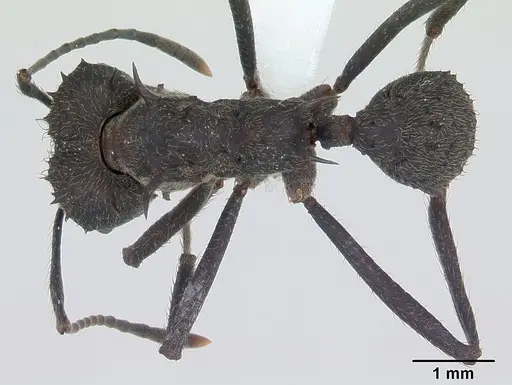
CASENT0905002
View on AntWeb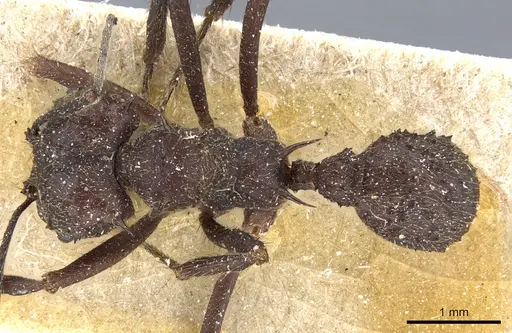
CASENT0905004
View on AntWeb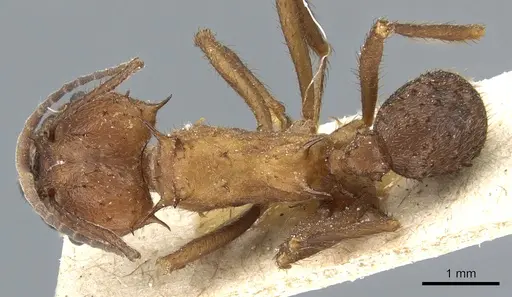
CASENT0905005
View on AntWeb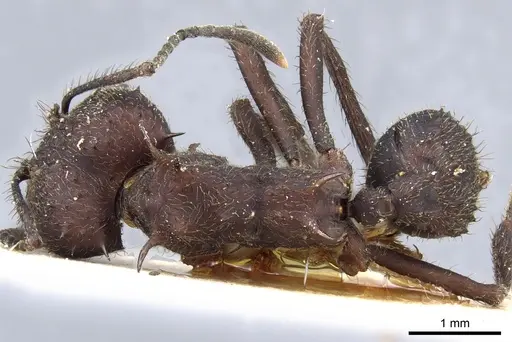
CASENT0909417
View on AntWeb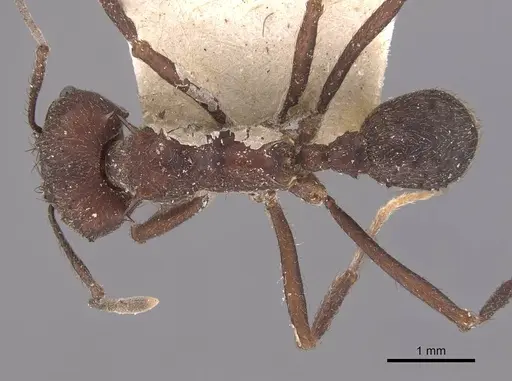
CASENT0909418
View on AntWeb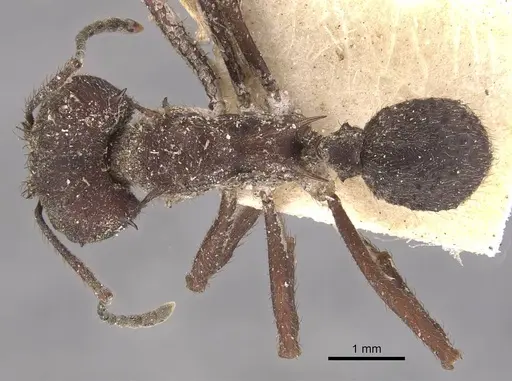
CASENT0912464
View on AntWeb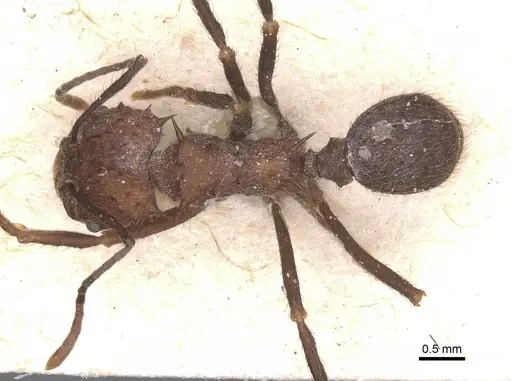
CASENT0912465
View on AntWeb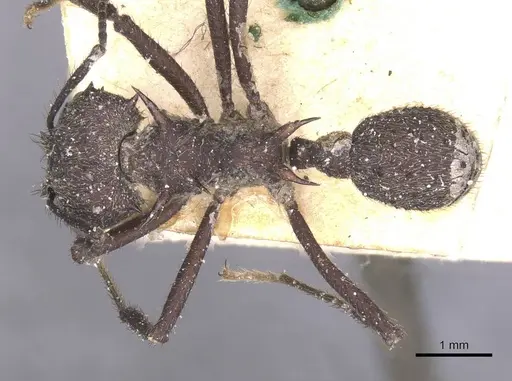
CASENT0912466
View on AntWeb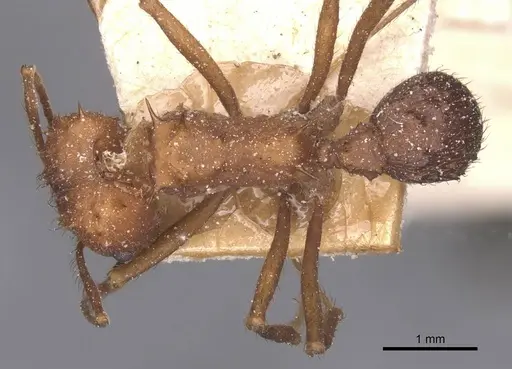
CASENT0912467
View on AntWeb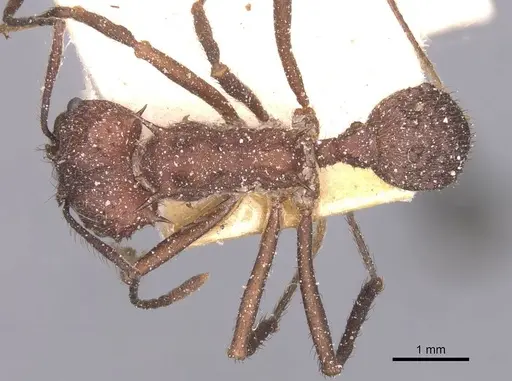
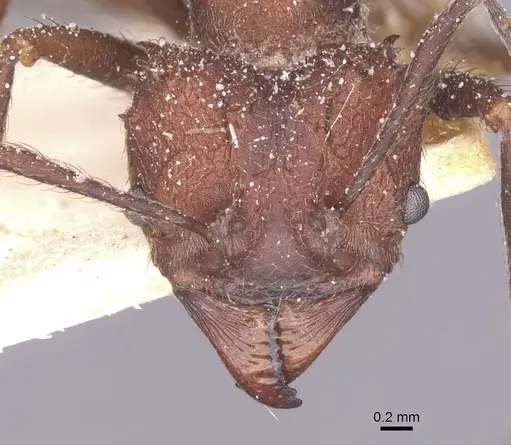
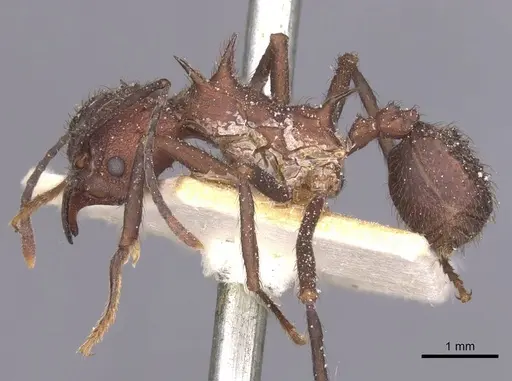
CASENT0922027
View on AntWeb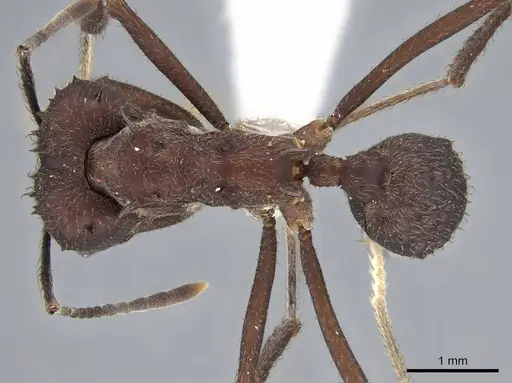
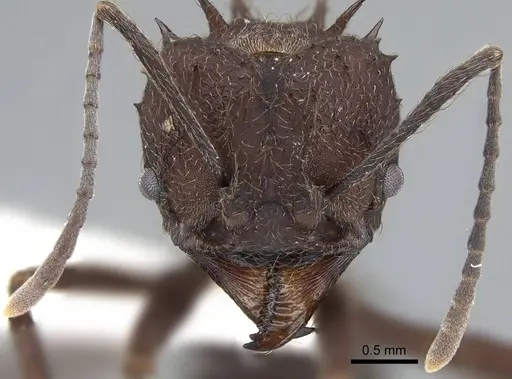
FMNHINS0000046994
View on AntWeb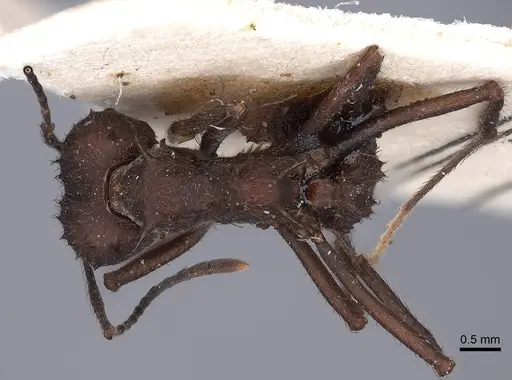
Literature
Loading...Loading products...