

Acromyrmex lobicornis
- Scientific Name
- Acromyrmex lobicornis
- Tribe
- Attini
- Subfamily
- Myrmicinae
- Author
- Emery, 1888
- Distribution
- Found in 4 countries
Acromyrmex lobicornis Overview
Acromyrmex lobicornis is an ant species of the genus Acromyrmex. It is primarily documented in 4 countries , including Argentina, Bolivia, Plurinational State of. Detailed taxonomic data and occurrence records can be further explored via authoritative databases such as AntWeb or the Global Biodiversity Information Facility (GBIF).
Acromyrmex lobicornis
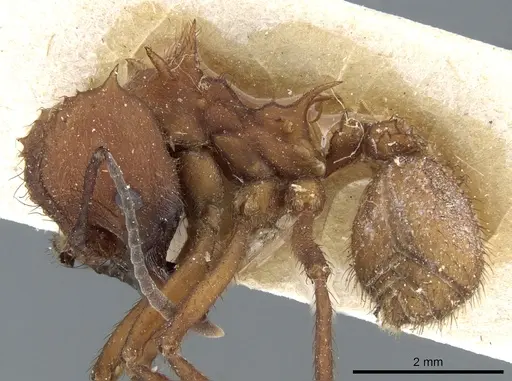
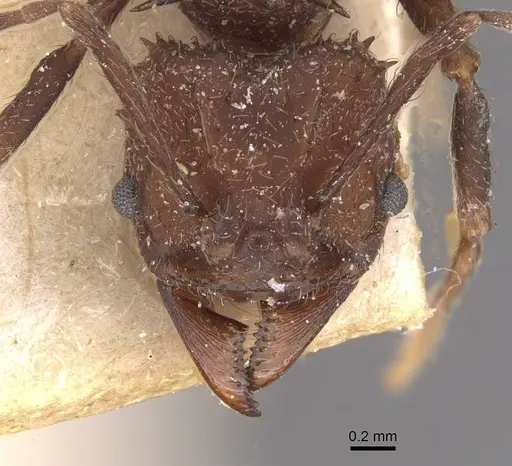
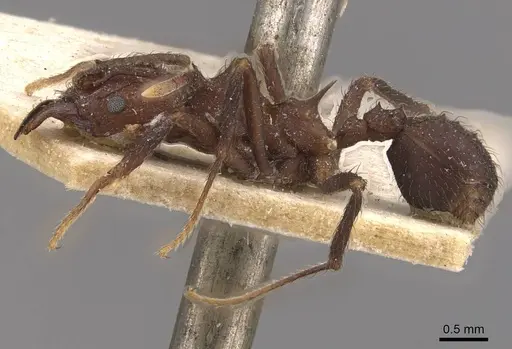
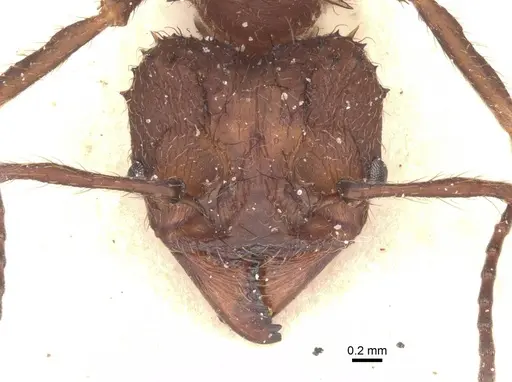
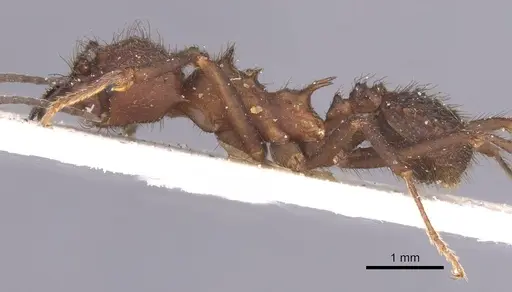
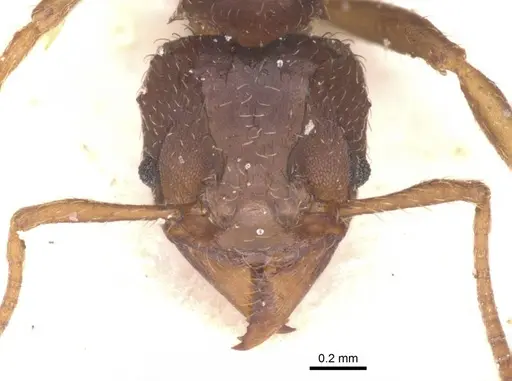
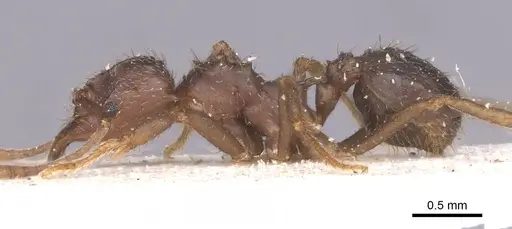
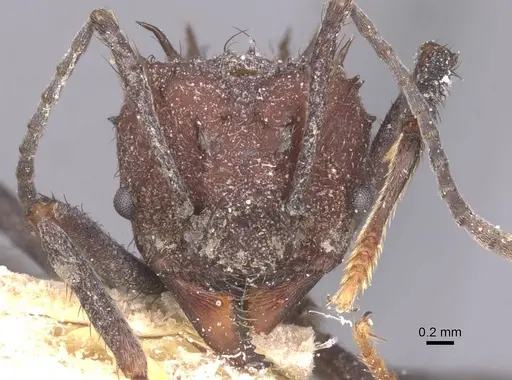
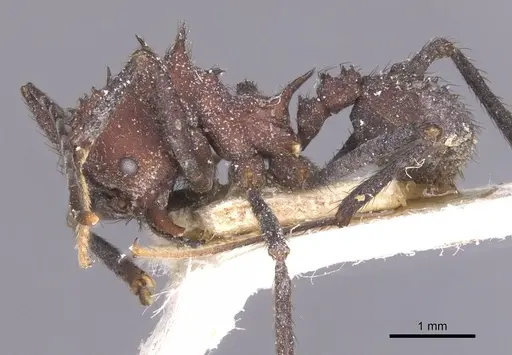
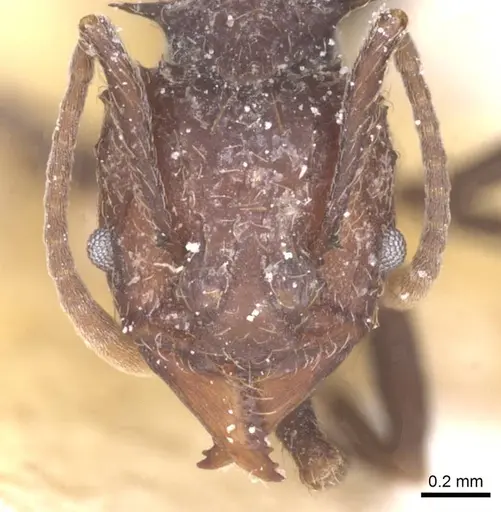
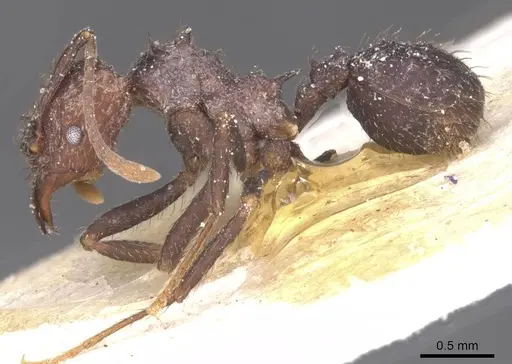
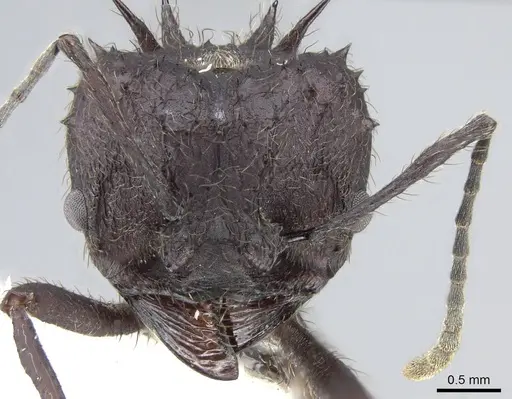
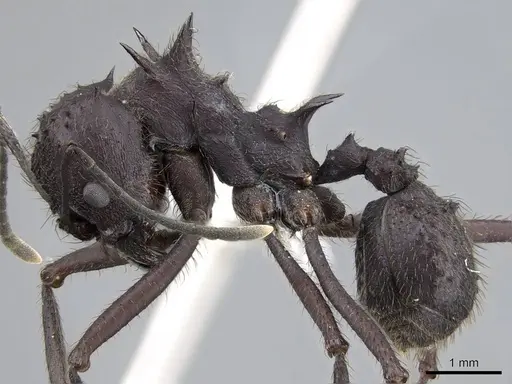
Acromyrmex lobicornis is a medium-sized leaf-cutting ant native to the dry steppes and deserts of southern South America, including Argentina, Bolivia, Brazil, Paraguay, and Uruguay [1]. Workers measure between 4.4 and 5.8 mm long depending on their task, with foragers being larger than trail-clearing workers [2]. In the wild, they build conspicuous thatched nest mounds from twigs, soil, and plant debris, typically 50-80 cm across and 20-30 cm high [3][4]. Mature colonies can grow to around 10,000 workers [4].
These ants stand out for their social flexibility and adaptability. Unlike many leaf-cutters that strictly have one queen, Acromyrmex lobicornis colonies can contain one queen or several working together, with up to four queens documented in a single nest [5]. They also show remarkable foraging flexibility, switching between day and night activity depending on temperature, and consuming a wide variety of plants from grasses to flowers [6][7]. In Patagonia, they have expanded their range significantly since the 1980s, moving along road corridors into new territories [8].
Quick Summary
- Difficulty: Expert
- Origin & Habitat: Monte Desert and Patagonian steppe regions of Argentina, extending through southern South America including Bolivia, Brazil, Paraguay and Uruguay [4][1]
- Colony Type: Facultatively polygyne, colonies can have one queen or multiple queens (up to 4 observed) working together [5]
- Colony: Optionally polygyne
- Size & Growth:
- Queen: Unknown (estimated 8-12 mm based on genus patterns)
- Worker: 4.4-5.8 mm [2]
- Colony: Up to approximately 10,000 workers [4]
- Growth: Moderate (estimated)
- Development: Estimated 6-10 weeks at 25°C (Development time not directly studied for this species, estimate based on related Acromyrmex species)
- Antkeeping:
- Temperature: Keep the nest area at 22-25°C. They forage actively between 16-35°C, with peak activity around 22°C [7]. Provide a heat gradient so they can regulate temperature by moving.
- Humidity: Moderate humidity. Keep the fungus garden substrate damp but not waterlogged, with good ventilation to prevent mold [9].
- Diapause: No true hibernation required, but activity naturally slows in winter. You can reduce temperatures to 15-18°C during winter months to simulate seasonal changes [7].
- Nesting: Provide a thatch-mound style setup or spacious formicarium with room for fungus gardens. They need space for external waste piles and good ventilation [4][10].
- Behavior: Active foragers with flexible daily schedules. They clear debris from trails and can be aggressive to foreign colonies while tolerating nearby neighbors [11][2]. Workers are small enough to escape through tiny gaps.
- Common Issues: fungus garden failure from incorrect substrate, contamination, or toxic plants., pest cockroaches (Attaphila) infesting the fungus garden [16]., temperature stress from overheating, they need temperature gradients to regulate nest temperature [7]., dietary mismatches causing fungus death, they need fresh plant material, not sugar water., escapes due to small worker size, they can squeeze through tiny gaps.
Nest Preferences and Fungus Gardens
In nature, Acromyrmex lobicornis builds thatched mounds 50-80 cm across using twigs, soil and dry plant material [3][4]. The nest contains over 100 irregular chambers housing the fungus garden, usually within 1 meter of the surface [9][12]. They deposit waste in external refuse piles rather than keeping it inside [4][13]. In captivity, you need a spacious setup with room for the fungus garden to grow, good ventilation to prevent mold, and a separate area for waste disposal. Use a mix of leaf litter and sterile substrate for the fungus garden, and provide pieces of twigs or straw that they can use to construct their thatched turrets [10].
Feeding and Diet
These generalist leaf-cutters harvest both monocots and dicots, including grasses, leaves, and flowers [14][6]. They show seasonal preferences, selecting different plants in spring versus summer, and will opportunistically take advantage of whatever is available [6]. They also collect unusual items like Psilocybe mushrooms growing on dung [9]. In captivity, offer a variety of fresh leaves such as bramble, oak, or grass clippings, plus oats, rice, and flowers. Avoid toxic plants like eucalyptus or conifers. They need the fungus to survive, you cannot feed them sugar water or protein substitutes instead of leaves.
Temperature and Seasonal Activity
They forage at soil temperatures between 16-35°C, with optimal activity around 22°C [7]. In hot summers they forage at night to avoid heat, in autumn they switch to daytime activity [7]. Activity ceases almost completely in winter [7]. Keep your colony at 22-25°C with a heating cable on one side to create a gradient. In winter, you can cool them to 15-18°C to match their natural seasonal slowdown [7].
Social Structure and Colony Organization
Colonies can have one queen or multiple queens (up to 4), with about 28% of wild colonies being polygynous [5]. Queens mate with 1-4 males [5]. Workers show division of labor in waste management and trail clearing, with smaller workers clearing debris while larger workers forage [2][15]. They recognize nestmates and show less aggression to nearby colonies than distant ones, following the 'dear enemy' phenomenon [11].
Pests and Contamination
Watch for Attaphila cockroaches that live in the fungus garden and eat the fungus [16]. Various yeasts can also grow in the garden and waste piles, though some may be symbiotic [9]. Keep everything clean and remove dead ants promptly to prevent fungal infections.
Frequently Asked Questions
Can I keep Acromyrmex lobicornis in a test tube?
No. They need space for fungus gardens immediately. Use a founding chamber with substrate and leaf material from the start.
How long until first workers for Acromyrmex lobicornis?
Unconfirmed for this species, but estimated 6-10 weeks at 25°C based on related Acromyrmex species.
Can I keep multiple queens together in an Acromyrmex lobicornis colony?
This species can be polygynous in nature, but combining unrelated queens during founding is risky. Natural colonies may accept multiple queens, but captive founding usually works best with one queen.
Do Acromyrmex lobicornis need hibernation?
No full hibernation required, but you should reduce activity in winter by lowering temperature to 15-18°C for a few months.
What do Acromyrmex lobicornis eat?
Fresh plant material including grasses, leaves, and flowers. They cultivate fungus on this material, you cannot substitute with sugar water or insect protein.
Are Acromyrmex lobicornis dangerous?
They can bite with their strong mandibles but lack stingers. They are not medically dangerous to humans.
Why is my fungus garden dying?
Usually from wrong substrate, contamination, toxic plants, or poor ventilation. Ensure you use appropriate leaf material and avoid pesticides.
How big do Acromyrmex lobicornis colonies get?
Up to 10,000 workers in mature colonies.
References

This caresheet is licensed under CC BY-SA 4.0 .
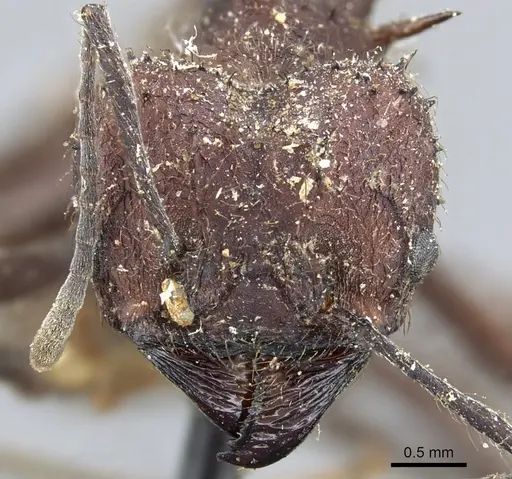
CASENT0217813
View on AntWeb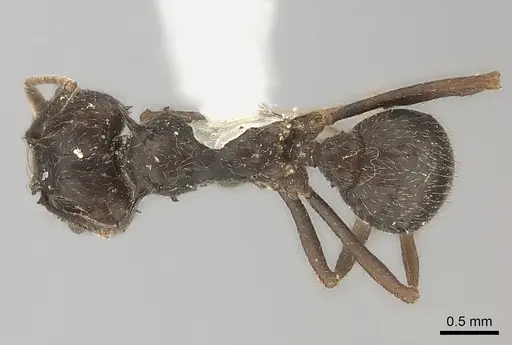
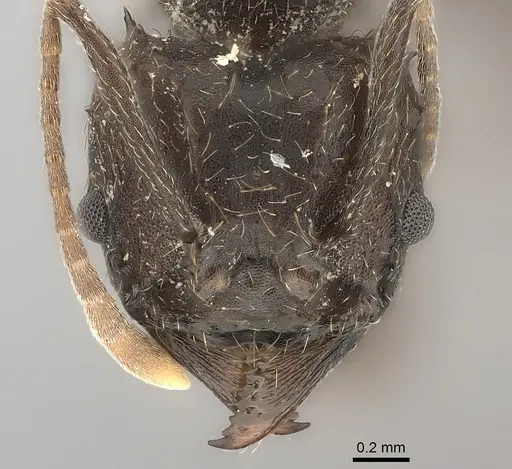
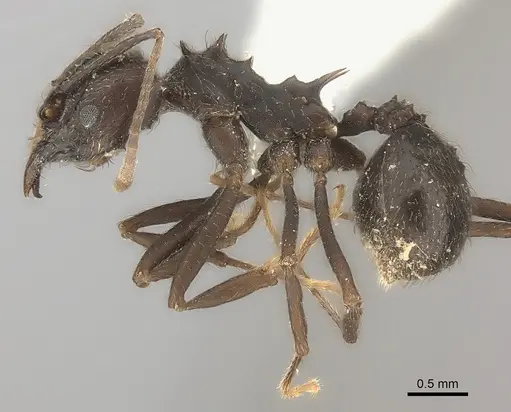
CASENT0904999
View on AntWeb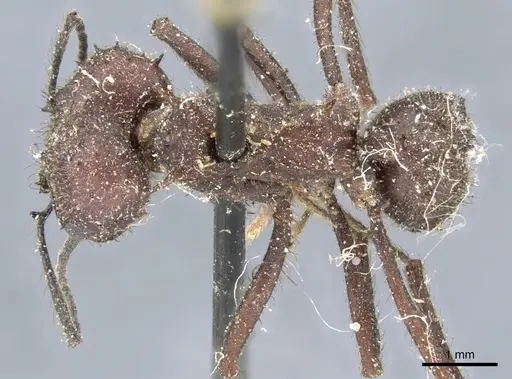
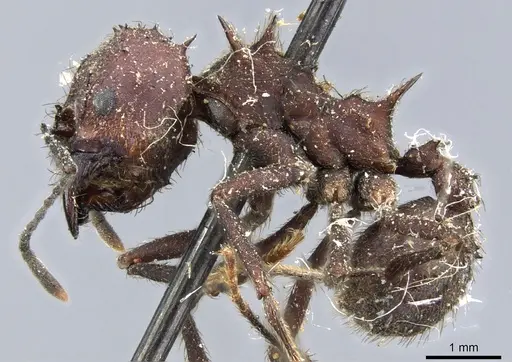
CASENT0905000
View on AntWeb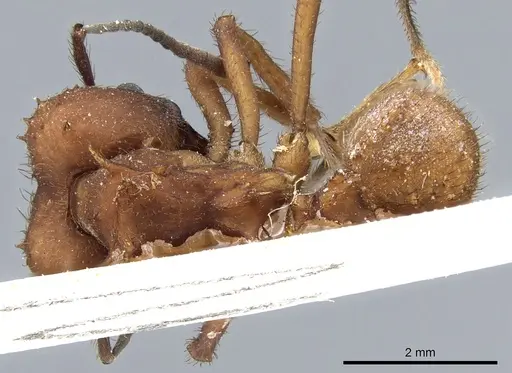
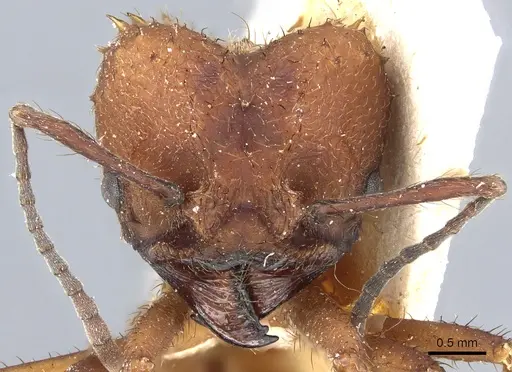
CASENT0909416
View on AntWeb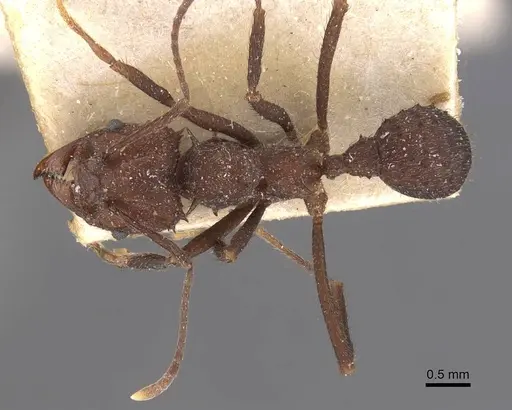
CASENT0912459
View on AntWeb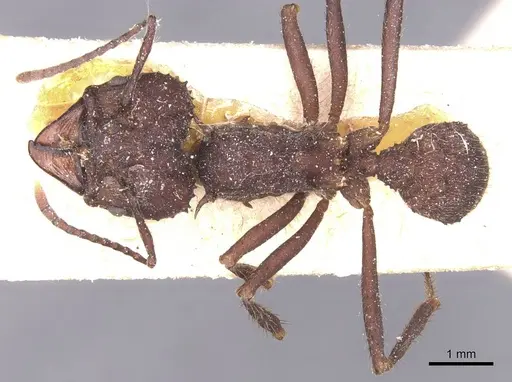
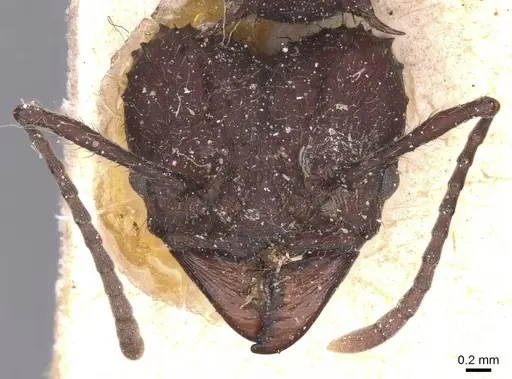
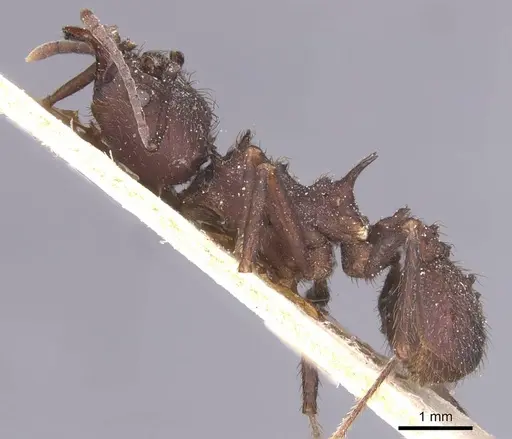
CASENT0912460
View on AntWeb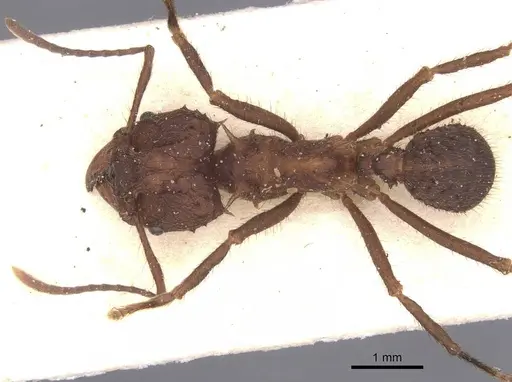
CASENT0912461
View on AntWeb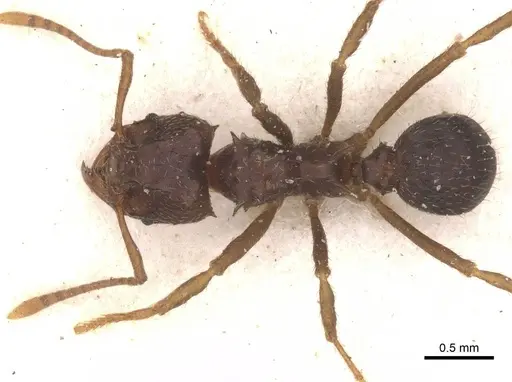
CASENT0912462
View on AntWeb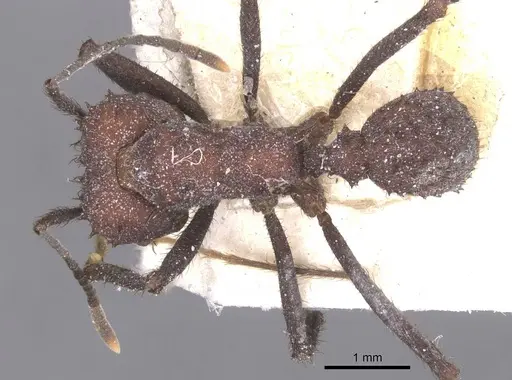
CASENT0912463
View on AntWeb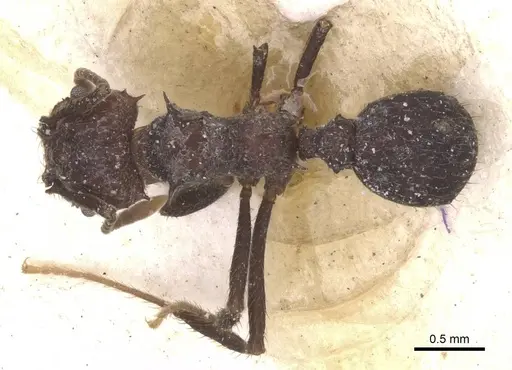
CASENT0922026
View on AntWeb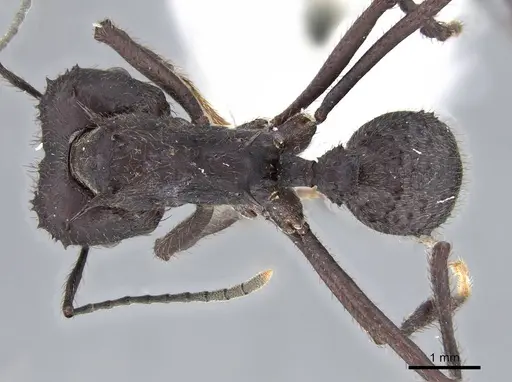
Literature
Loading...Loading products...