

Acromyrmex laticeps
- Scientific Name
- Acromyrmex laticeps
- Tribe
- Attini
- Subfamily
- Myrmicinae
- Author
- Emery, 1905
- Distribution
- Found in 1 countries
Acromyrmex laticeps Overview
Acromyrmex laticeps is an ant species of the genus Acromyrmex. It is primarily documented in 1 countries , including Brazil. Detailed taxonomic data and occurrence records can be further explored via authoritative databases such as AntWeb or the Global Biodiversity Information Facility (GBIF).
Acromyrmex laticeps
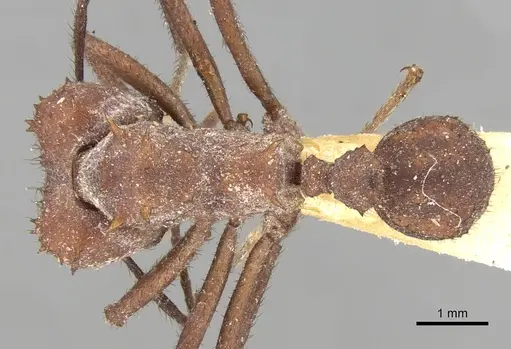
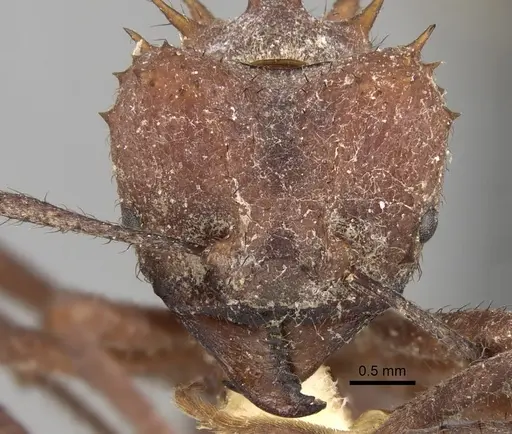
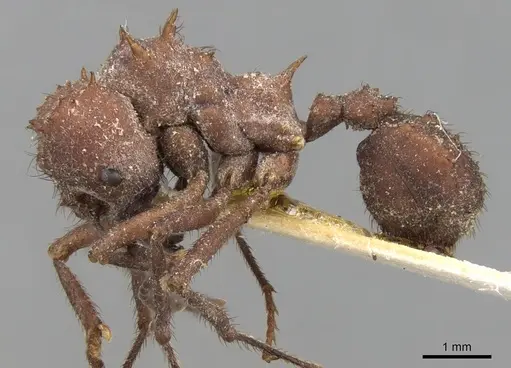
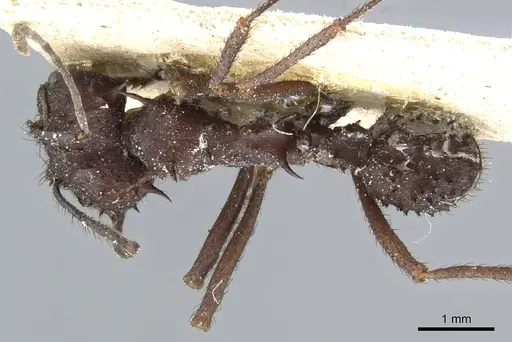
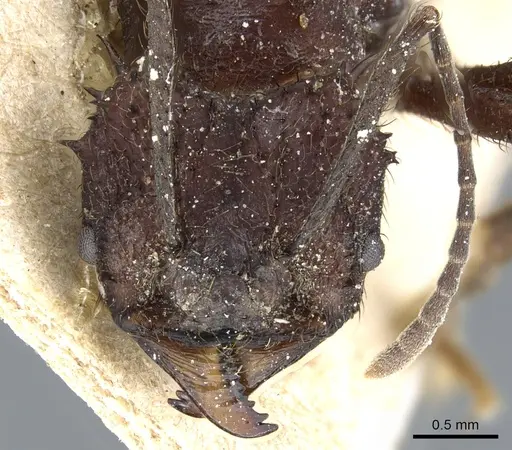
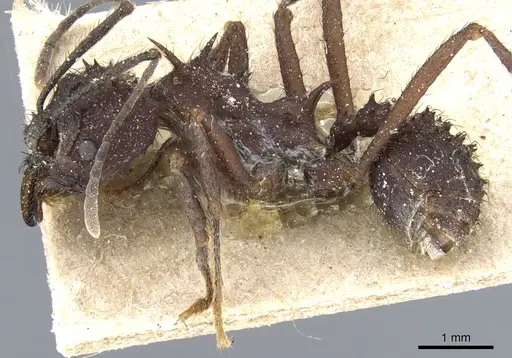
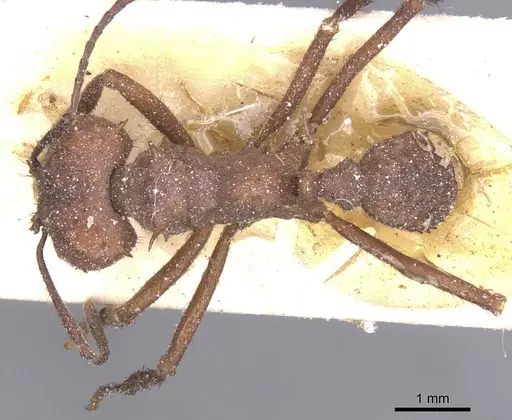
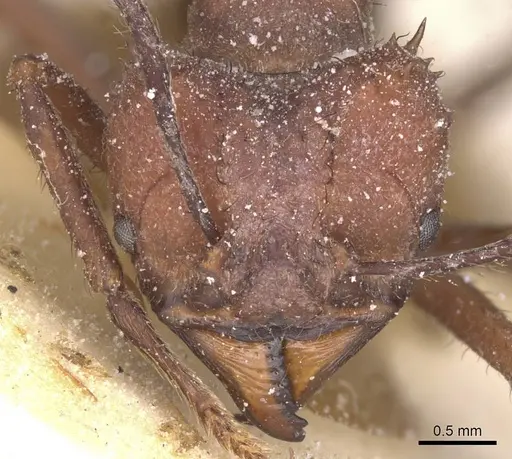
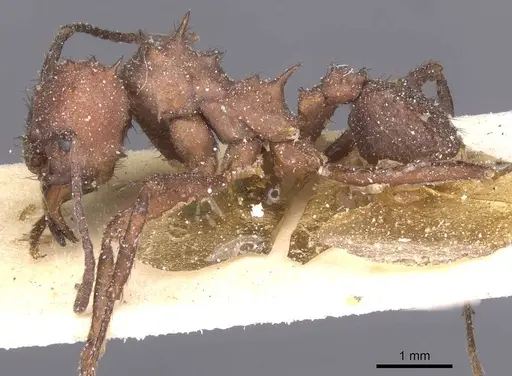
Acromyrmex laticeps is a medium-sized leafcutter ant native to the Neotropical region, found from Argentina and Uruguay north through Brazil to Bolivia and Paraguay [1]. Workers measure approximately 8.5 mm with notably widened heads above the eyes and dark brownish to blackened bodies [2]. Like all Attini, they are true fungus-farmers, cutting fresh plant material to cultivate gardens of Leucoagaricus gongylophorus rather than eating the leaves directly [3][4].
What makes this species unusual is their remarkably peaceful nature between colonies. Workers show no aggression toward non-nestmates and cannot distinguish between their own brood and foreign brood, accepting both equally [5][6]. They are primarily nocturnal foragers, becoming active when temperatures drop and humidity rises [7].
Quick Summary
- Difficulty: Expert
- Origin & Habitat: Neotropical region including Argentina, Bolivia, Brazil, Paraguay, and Uruguay [1][8]. Found in secondary forests, Eucalyptus plantations, native pastures, and palm tree microhabitats [9][10][11][12].
- Colony Type: Monogyne (single-queen) colonies documented, though polygyny is characteristic of the genus [6].
- Colony: Monogyne
- Size & Growth:
- Queen: Unknown, based on Acromyrmex patterns, likely 10-14 mm.
- Worker: 8.5 mm [2].
- Colony: Field nests reach approximately 12,000 workers [13], laboratory colonies typically contain 3,000-4,000 individuals [5].
- Growth: Moderate
- Development: Unknown, estimated 8-12 weeks based on related Acromyrmex species. (Timeline inferred from genus patterns, maintain at 25-27°C for best results [6].)
- Antkeeping:
- Temperature: 25-27°C for laboratory maintenance [6].
- Humidity: 75% relative humidity required [6].
- Diapause: Unknown, likely not required given tropical distribution.
- Nesting: Underground fungus gardens required, natural nests range from shallow (11 cm) to deep (100-150 cm) with one to three chambers [13][8].
- Behavior: Nocturnal foragers that prefer cool, humid conditions [7]. Show remarkably low aggression between colonies and do not discriminate against foreign brood [5][6].
- Common Issues: Fungus garden collapse from Escovopsis parasitic infection [16][14]., Maintaining constant supply of fresh dicotyledonous leaves acceptable to the colony., High humidity requirements can lead to mold if ventilation is poor., Nocturnal activity means foraging happens primarily at night.
Nest Preferences
75%) and allow the ants to process leaf material into the fungus comb. Ventilation must be adequate to prevent mold while keeping humidity high. [13][8][11][2][6]
Feeding and Diet
As leafcutter ants, they do not eat the leaves they cut. Instead, they chew the plant material into a pulp to cultivate their symbiotic fungus Leucoagaricus gongylophorus, which produces nutritious structures called gongylidia that the ants eat [3][4]. They prefer dicotyledonous plants [11][14], and in Eucalyptus plantations, they favor E. urophylla and E. camaldulensis while avoiding E. cloeziana, which causes adverse effects on the colony [15][7].
You must provide fresh leaves constantly, they cannot survive on sugars or proteins alone. Acceptable leaves include rose, bramble, oak, or the preferred Eucalyptus species. Remove old or moldy leaves promptly to prevent contamination of the fungus garden.
Temperature and Care
Laboratory colonies thrive at 25-27°C with relative humidity above 75% [6]. They show predominantly nocturnal activity, foraging more when temperatures drop and humidity rises [7]. Activity correlates negatively with air temperature and positively with relative humidity in natural settings [7].
Given their tropical to subtropical distribution across South America, they likely do not require a winter diapause. However, you may simulate natural seasonal changes by slightly cooling the nest to 20-22°C during winter months while maintaining the fungus garden.
Behavior and Temperament
These ants show remarkably peaceful behavior between colonies. Workers do not discriminate between nestmate and non-nestmate brood, accepting both at similar rates of 55-62% [5][6]. Adult workers show no aggression toward non-nestmates, only making antennal contact [5]. The aggression index between non-nestmates is as low as between nestmates (zero) [5].
They are strictly nocturnal foragers, so expect most activity at night [7]. During the day, they remain in the nest tending the fungus garden.
Fungus Garden Management
The symbiotic fungus grows best at pH 4.0-5.0 [4]. The garden is vulnerable to the parasitic fungus Escovopsis, which was found in 20% of field nests [16]. Maintain strict hygiene, remove moldy leaves immediately, ensure good air circulation to prevent stagnant moisture, and avoid disturbing the fungus comb. The fungus produces enzymes to break down plant polymers including pectin, xylan, amylase, and cellulase [17], so providing diverse leaf types helps garden health.
Colony Founding
Founding behavior has not been directly documented for this species. Based on patterns seen throughout the Attini tribe, queens likely seal themselves in (claustral founding) and raise the first workers using stored body fat while tending an initial fungus garden started from mycelium carried from the parent nest. However, this remains unconfirmed for Acromyrmex laticeps specifically.
Frequently Asked Questions
Can I keep Acromyrmex laticeps in a test tube?
No. They require a fungus garden to survive. While a test tube might work for the very initial founding phase if the queen carries a fungus pellet, they quickly need a proper setup with space for the fungus garden and ventilation that maintains high humidity.
How long until first workers for Acromyrmex laticeps?
The exact timeline is unknown for this species. Based on related Acromyrmex species, expect approximately 8-12 weeks at 25-27°C.
What do Acromyrmex laticeps eat?
They eat fungus, which they cultivate on fresh dicotyledonous leaves. Provide fresh leaves like rose, bramble, or Eucalyptus (they prefer E. urophylla and E. camaldulensis). They cannot survive on sugar water or protein alone.
Do Acromyrmex laticeps need hibernation?
Likely not. They are tropical ants from South America and are maintained at 25-27°C year-round in laboratories.
How big do Acromyrmex laticeps colonies get?
Field nests average around 12,000 workers, though laboratory colonies are often smaller at 3,000-4,000 individuals.
Can I keep multiple Acromyrmex laticeps queens together?
Not recommended. While the genus can show polygyny, colonies studied were monogynous (single queen). Combining unrelated queens has not been documented and risks fighting.
Why is my Acromyrmex laticeps fungus garden dying?
Check for Escovopsis infection (white or gray mold on the fungus), ensure humidity stays above 75%, verify you are providing acceptable leaf species (avoid E. cloeziana), and remove moldy leaves immediately.
Are Acromyrmex laticeps dangerous?
They can bite with their mandibles but do not have a functional stinger that affects humans. They are not dangerous to people but can damage plants by cutting leaves.
When do Acromyrmex laticeps have nuptial flights?
The timing of nuptial flights is unknown for this species.
References

This caresheet is licensed under CC BY-SA 4.0 .
Literature
Loading...Loading products...