

Acromyrmex hystrix
- Scientific Name
- Acromyrmex hystrix
- Tribe
- Attini
- Subfamily
- Myrmicinae
- Author
- Latreille, 1802
- Distribution
- Found in 5 countries
Acromyrmex hystrix Overview
Acromyrmex hystrix is an ant species of the genus Acromyrmex. It is primarily documented in 5 countries , including Argentina, Brazil, Colombia. Detailed taxonomic data and occurrence records can be further explored via authoritative databases such as AntWeb or the Global Biodiversity Information Facility (GBIF).
Acromyrmex hystrix
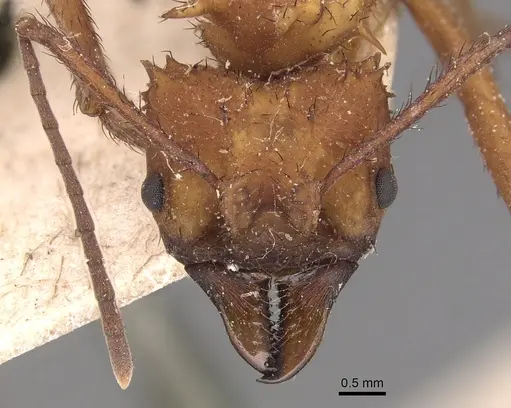
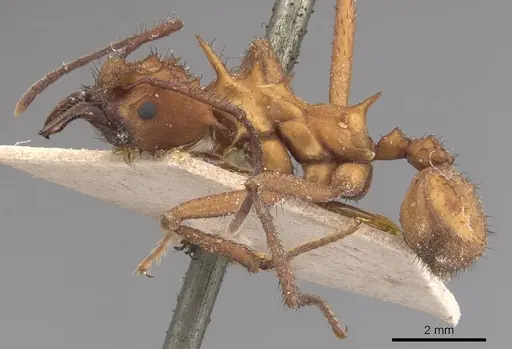
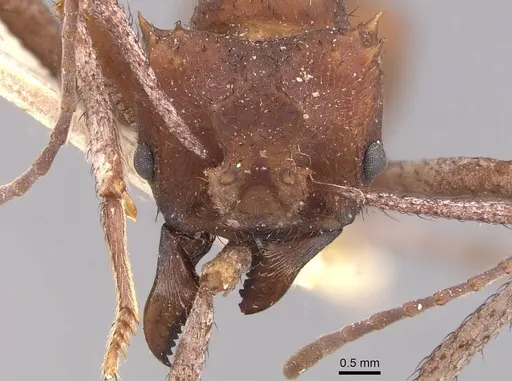
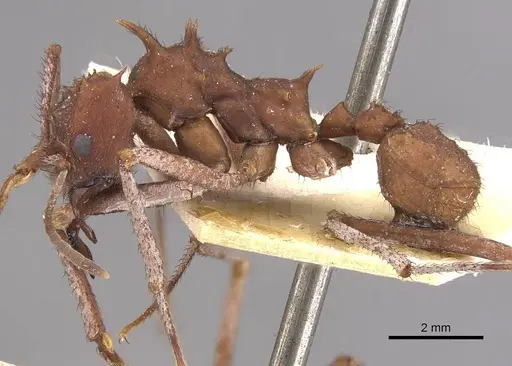
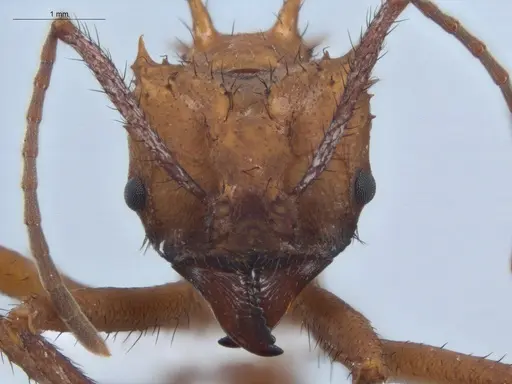
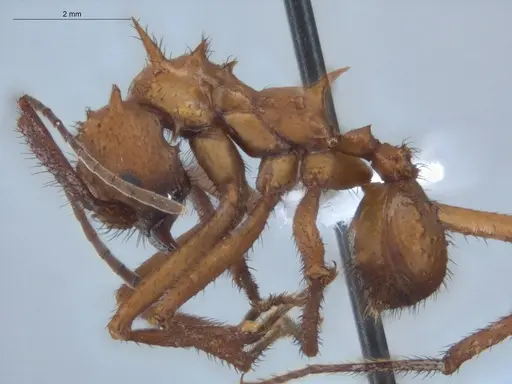
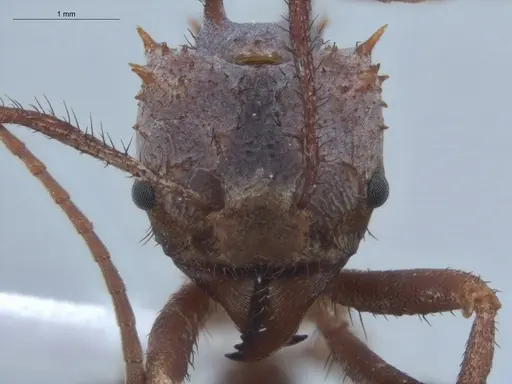
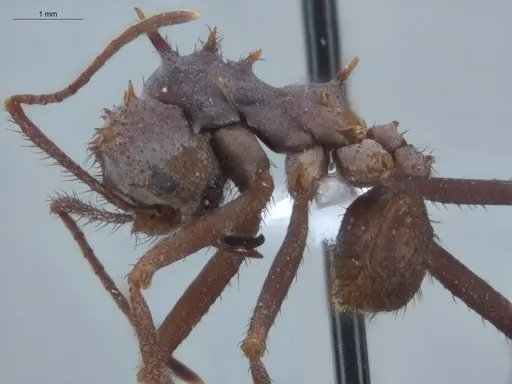
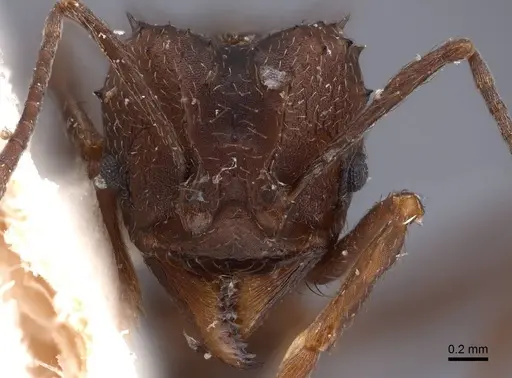
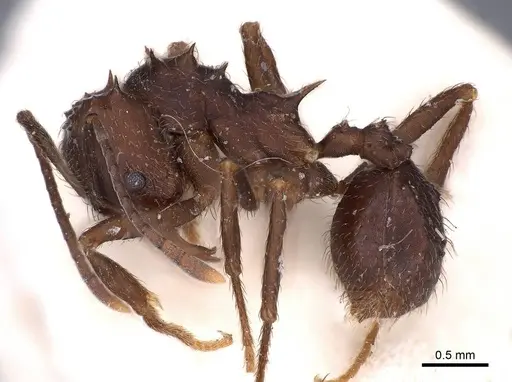
Acromyrmex hystrix is a medium-sized leaf-cutting ant native to the Amazonian region of South America. Workers measure around 5-9mm and have the characteristic rusty reddish-brown coloration typical of many Acromyrmex species, with a distinctly segmented abdomen and sharp spines on the thorax [1]. These ants belong to the tribe Attini, meaning they are fungus-growing ants that cultivate a specialized white fungus for food rather than foraging for food directly [1].
What makes A. hystrix interesting is its specialized relationship with the fungus it cultivates. Like all leaf-cutting ants, workers harvest leaf fragments and other plant material, transport them back to the nest, and use them as substrate for growing their fungal garden. This species is found across a wide geographic range spanning over 1500 km from French Guiana through Brazil to Peru and Colombia [2][3].
Quick Summary
- Difficulty: Hard
- Origin & Habitat: Amazonian region of South America, including Brazil, Colombia, French Guiana, Guyana, Peru, and Uruguay. Found in tropical rainforests and floodplain forests where it nests in soil or decaying wood [2][3][4].
- Colony Type: Single-queen colonies (monogyne). The colony starts with a single founding queen who cultivates the initial fungus garden [1].
- Colony: Monogyne
- Founding: Claustral
- Size & Growth:
- Queen: 10-12mm estimated, typical for Acromyrmex queens [1]
- Worker: 5-9mm [1]
- Colony: Can reach several thousand workers in mature colonies [1]
- Growth: Moderate to fast
- Development: 8-12 weeks estimated at optimal temperature, typical for Attini species [1] (Development is temperature-dependent, warmer conditions within safe range speed up development)
- Antkeeping:
- Temperature: Keep at 24-28°C. These are tropical ants requiring warm, stable temperatures. A heating cable on one side of the nest creates a suitable gradient [1].
- Humidity: High humidity required (70-85%). The fungus garden needs consistent moisture, keep the nest substrate damp but not waterlogged. Mist or add water to the water chamber regularly, checking that condensation is present but the nest isn't flooding [1].
- Diapause: No, as a tropical species, they do not require hibernation or winter rest. Maintain year-round warm conditions [1].
- Nesting: Use a naturalistic setup with a fungus chamber or a modified formicarium with a large chamber for the fungus garden. The nest should have a spacious area for the fungal cultivation and a water chamber for humidity control. Acrylic nests with a sponge system work well for maintaining humidity [1].
- Behavior: Active foragers that cut and transport leaf material back to the nest. Workers are moderately aggressive when defending the colony and can deliver a mild sting. They are diurnal and maintain constant activity around the fungus garden. Escape risk is moderate, they are not tiny but can climb smooth surfaces, standard barrier methods work well [1].
- Common Issues: Fungus garden failure is the most common cause of colony death, the fungal culture must remain healthy and uncontaminated, Leaf material must be fresh and pesticide-free, contaminated or wilted leaves can kill the fungus, Humidity fluctuations kill the fungus, inconsistent moisture leads to mold or drying out, Overheating is dangerous, temperatures above 30°C can kill both ants and fungus, Finding suitable leaf material in winter or urban areas can be challenging
The Fungus Garden: The Heart of the Colony
Unlike most ants that collect food directly, leaf-cutting ants like A. hystrix are farmers. The colony's survival depends entirely on the health of its fungal garden. Workers cut leaf fragments and bring them back to the nest, where they chew the material into smaller pieces and insert it into the fungus garden. The ants then cultivate a specific white fungus (Leucocoprineae family) that grows on this substrate and serves as the colony's primary food source [1].
The queen starts the fungus garden during founding by carrying a small piece of fungal mycelium in her infrabuccal pouch (a special pocket in her mouth). After sealing herself in, she spits out this fungus and begins cultivating it with her own fecal droplets. She feeds the first fungus with her own body fluids until the first workers emerge, after which the workers take over fungus maintenance [1].
For keepers, this means the fungus is absolutely essential, if the fungus dies, the colony dies. Never remove or disturb the fungus garden. The ants will carefully tend it, removing contaminants and maintaining optimal growth conditions. Your job is to provide clean, fresh leaf material and maintain proper humidity [1].
Feeding and Leaf Material
A. hystrix workers forage for dicotyledonous plants, they prefer broadleaf plants over grasses or conifers [5]. In captivity, you can offer a variety of fresh leaves including rose petals, hibiscus, blackberry, oak, and many other common plants. Always ensure leaves are pesticide-free and wash them with water before offering [1].
Offer leaf material every 2-3 days, removing any uneaten or wilted material within 24 hours. The amount depends on colony size, a small colony needs only a few small leaf pieces, while a mature colony can consume a large leaf daily. Remove old material before it molds, as mold can destroy the fungus garden [1].
Some keepers also offer small amounts of other organic material like flower petals or fruit pieces, but leaf material should be the primary food. The ants will cut the leaves into small pieces and carefully transport them to the fungus chamber. Do not offer citrus leaves or plants with strong oils, as these can harm the fungus [1].
Temperature and Humidity Control
These tropical ants need warm, humid conditions year-round. Maintain temperatures between 24-28°C with minimal fluctuations. Temperatures below 22°C slow growth significantly, while anything above 30°C risks killing both the ants and the fungus [1].
Humidity is equally critical, aim for 70-85% relative humidity inside the nest. The fungus garden must stay moist but not waterlogged. Use a test tube water reservoir connected to the nest or a sponge system in acrylic nests. Check daily that condensation is present on the nest walls, but there is no standing water. If the nest looks dry, add water, if it's flooded, let it air out [1].
A heating cable placed on top of the nest (never under it, as this can dry out the fungus) helps maintain stable temperatures. Create a temperature gradient so ants can choose their preferred spot. Place the heating on one end and leave the other end at room temperature [1].
Nest Setup and Housing
Leaf-cutting ants need more space than typical ants of their size because of the fungus garden. A standard test tube setup is insufficient for established colonies. Use a formicarium with a large chamber specifically designed for fungus-growing ants, or create a naturalistic setup with a spacious nesting area [1].
The nest should include: a large chamber for the fungus garden (at least 10x10cm for a growing colony), a water chamber or sponge system for humidity, and an outworld area for foraging and waste disposal. The outworld can be a simple plastic container connected to the nest via tubing [1].
Escape prevention is important, while not the smallest ants, they are excellent climbers. Use fluon or petroleum jelly on the rim of the outworld, and ensure all connections are secure. A layer of baby powder in alcohol (ant escape prevention coating) on smooth surfaces works well [1].
Colony Development and Growth
A newly mated queen excavates a small chamber and seals herself inside. She carries a small piece of fungus in her mouth and begins cultivating it using her own bodily fluids. She lays eggs and tends the fungus, surviving on her stored fat reserves and nutrients from the fungus until the first workers emerge [1].
The first workers, called nanitics, are smaller than normal workers but immediately begin helping with fungus maintenance and foraging. As the colony grows, workers become larger and the fungus garden expands rapidly. A healthy colony can grow from founding to several hundred workers in 1-2 years under optimal conditions [1].
Growth rate depends heavily on temperature and food quality. Warmer temperatures (within the 24-28°C range) and consistent fresh leaf material accelerate development. Expect 8-12 weeks from egg to first worker at optimal temperature, with subsequent generations developing faster as the colony grows larger and can better tend the fungus [1].
Frequently Asked Questions
Can I keep Acromyrmex hystrix in a test tube?
No, test tubes are completely unsuitable for established colonies. These ants need a spacious nest with a large chamber for their fungus garden. A test tube can only house the founding queen through the initial claustral period. Once workers emerge, you must move them to a proper formicarium or naturalistic setup with room for the fungus to grow [1].
How long does it take for first workers to appear?
Expect 8-12 weeks from egg to first worker at optimal temperature (24-28°C). This is slower than many common ant species because the queen must cultivate the fungus garden while raising brood. The first workers (nanitics) are smaller but will immediately begin helping with fungus maintenance [1].
What do Acromyrmex hystrix eat?
They eat the fungus they cultivate, not the leaves directly. You must provide fresh leaf material (dicotyledonous plants) for the ants to use as substrate for the fungus. Offer pesticide-free leaves from plants like roses, hibiscus, blackberry, or oak. Remove uneaten leaves within 24 hours to prevent mold [1].
Do leaf-cutting ants need hibernation?
No, these are tropical ants and do not require hibernation or winter rest. Keep them warm year-round at 24-28°C. Cold temperatures will slow or stop development and can harm the fungus garden. If your room temperature drops below 22°C in winter, use a heating cable to maintain warmth [1].
Are Acromyrmex hystrix dangerous?
They can deliver a mild sting if threatened, but they are not considered dangerous to humans. Their main defense is cutting with their mandibles. For keepers, the main concern is colony health rather than aggression. They are more likely to flee than attack when disturbed [1].
Why is my fungus turning black?
A black or discolored fungus usually indicates contamination, improper humidity, or poor leaf quality. Check that humidity is appropriate (not too wet or too dry), remove all old leaf material, and ensure new leaves are clean and pesticide-free. Sometimes the fungus can recover if conditions improve, but severely contaminated gardens often lead to colony failure [1].
Can I keep multiple queens together?
No, Acromyrmex hystrix is monogyne, colonies have a single queen. Multiple founding queens will fight, and only one will establish the colony. Do not attempt to combine unrelated queens. If you obtain a wild colony, it will have only one reproductive queen [1].
How big do colonies get?
Mature colonies can reach several thousand workers. In the wild, some leaf-cutting ant colonies become massive with fungus gardens the size of basketballs. In captivity, a well-maintained colony can grow to several hundred workers in the first year and continue expanding for several years [1].
What is the best nest type for leaf-cutting ants?
A naturalistic setup with a large soil chamber or a custom acrylic formicarium with a sponge hydration system works best. The key requirement is a large chamber for the fungus garden and a reliable way to maintain humidity. Commercial ant nests designed for fungus-growing ants are ideal [1].
Why are my ants not cutting the leaves?
This usually means the colony is too small (not enough workers to need much leaf material), the leaves are unfamiliar or unappealing, or conditions are suboptimal. Try different leaf types, ensure temperature and humidity are in the correct ranges, and make sure the colony is established with enough workers. New colonies often take time to start foraging actively [1].
References

This caresheet is licensed under CC BY-SA 4.0 .
CASENT0281787
View on AntWeb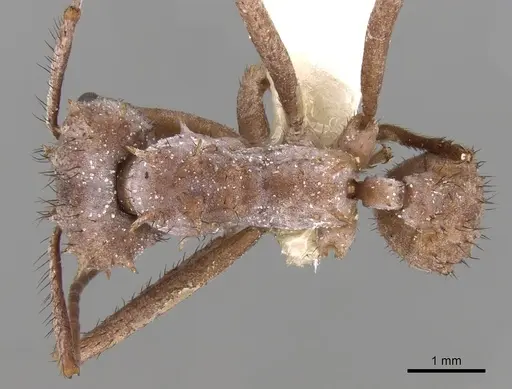
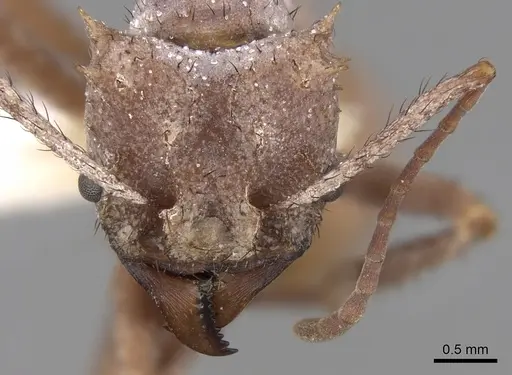
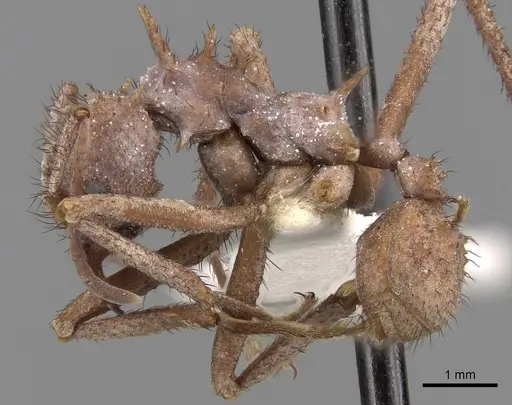
CASENT0904992
View on AntWeb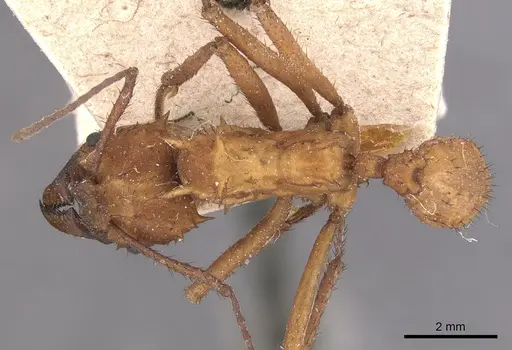
CASENT0909412
View on AntWeb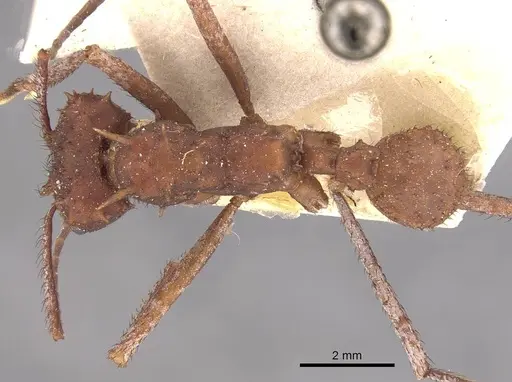
ECOFOG-HC-0039
View on AntWeb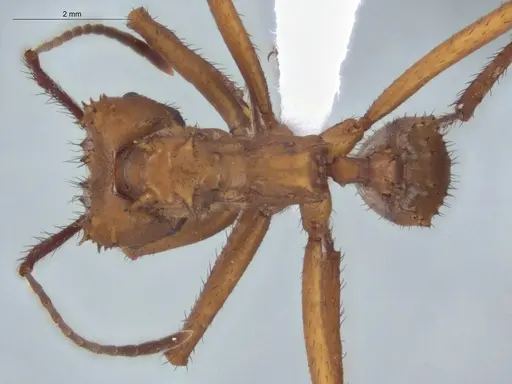
ECOFOG-IT14-0154-04
View on AntWeb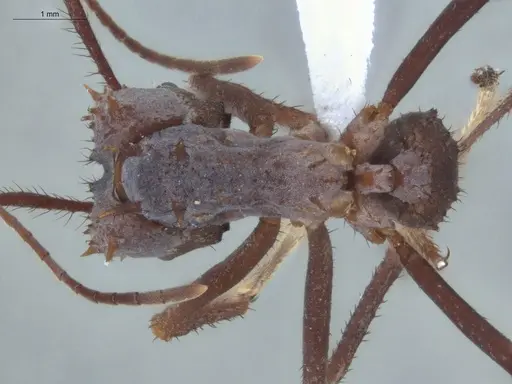
FMNHINS0000047658
View on AntWeb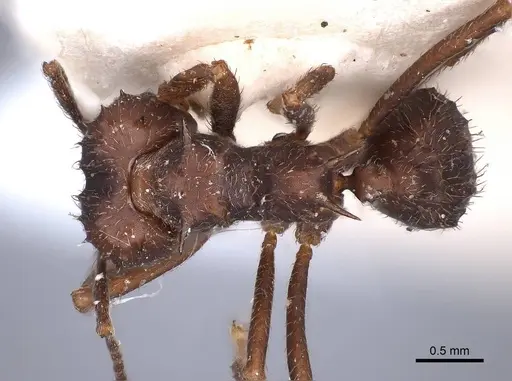
Literature
Loading...Loading products...