

Acromyrmex aspersus
- Scientific Name
- Acromyrmex aspersus
- Tribe
- Attini
- Subfamily
- Myrmicinae
- Author
- Smith, 1858
- Distribution
- Found in 3 countries
Acromyrmex aspersus Overview
Acromyrmex aspersus is an ant species of the genus Acromyrmex. It is primarily documented in 3 countries , including Argentina, Brazil, Colombia. Detailed taxonomic data and occurrence records can be further explored via authoritative databases such as AntWeb or the Global Biodiversity Information Facility (GBIF).
Acromyrmex aspersus
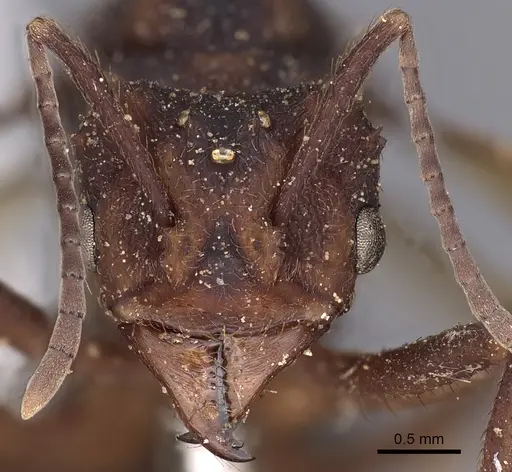
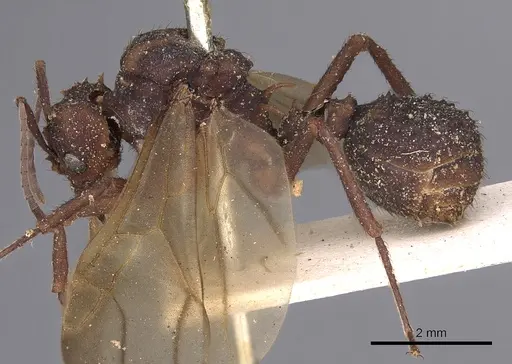
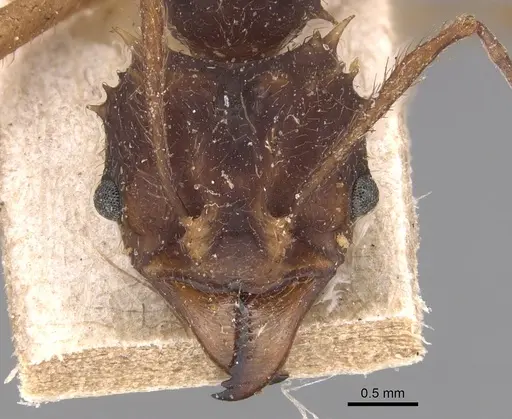
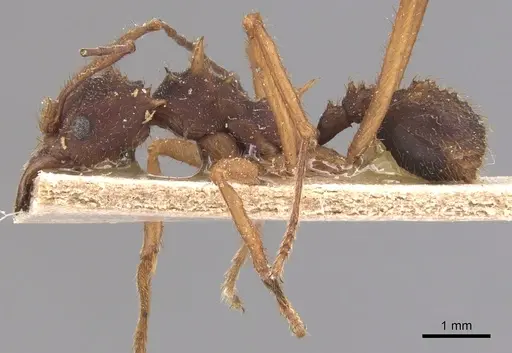
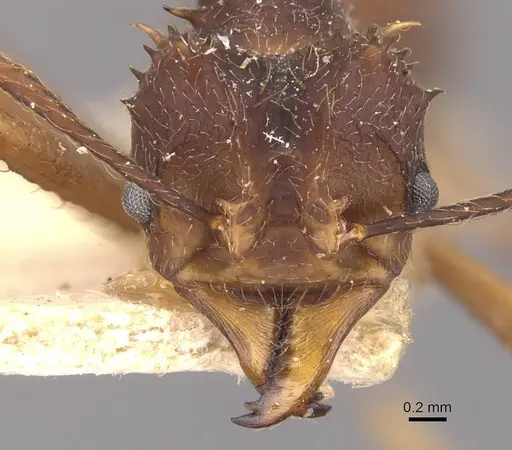
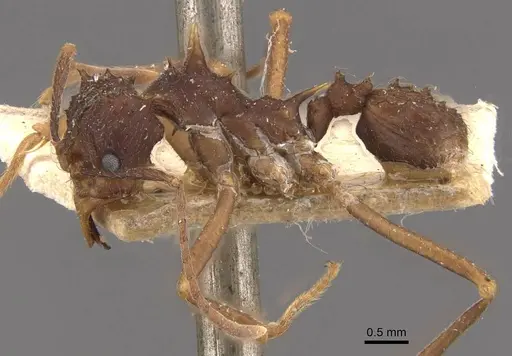
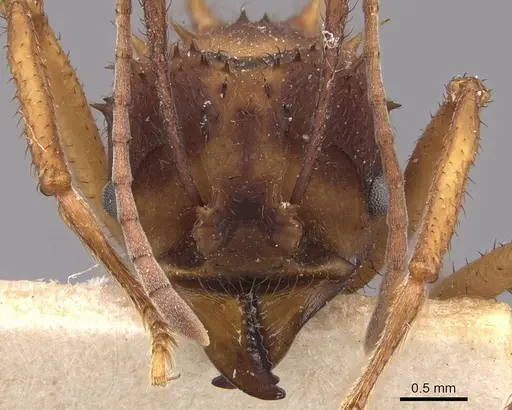
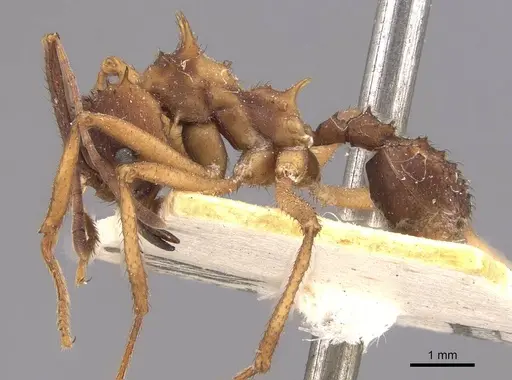
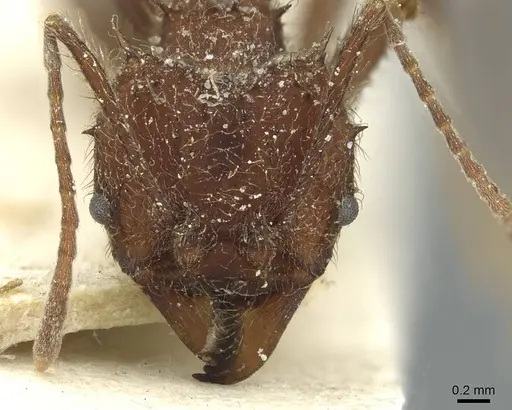
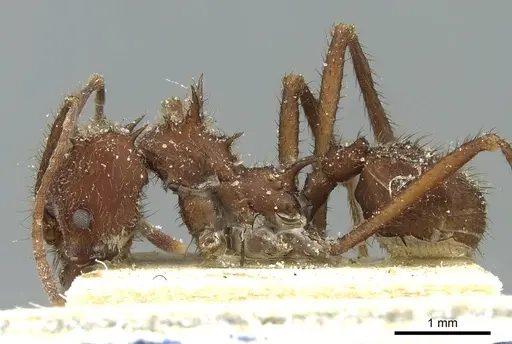
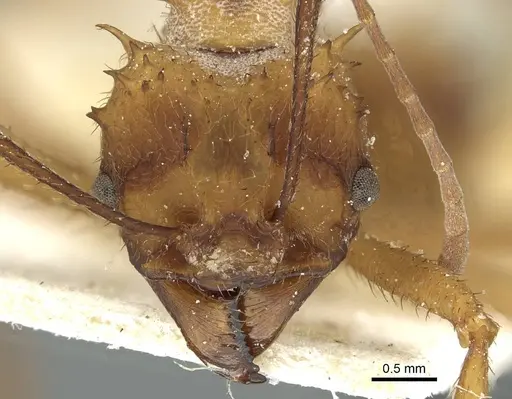
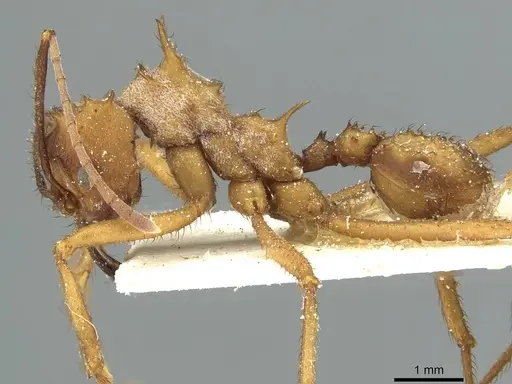
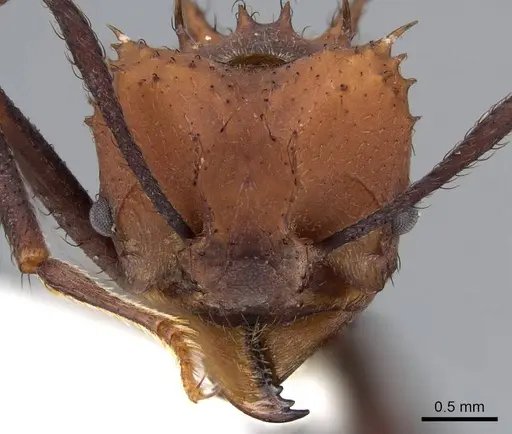
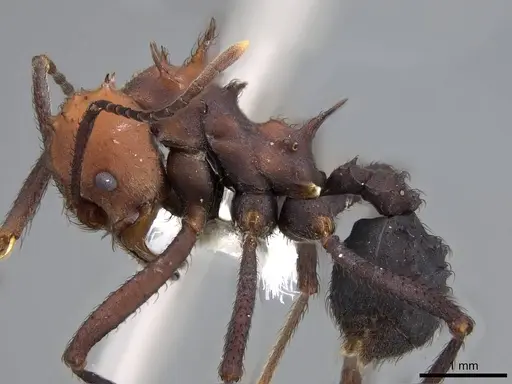
Acromyrmex aspersus is a medium-sized leaf-cutting ant known for its distinctive striped appearance, the body has lighter stripes against a darker background, which gives it the common name 'quenquém rajada' (striped quenquém) in Brazil [1]. Workers measure around 6.5mm and have well-developed spines on the mesonotum [1]. This species belongs to the tribe Attini, meaning it's one of the fungus-farming ants that cultivates a special fungus for food rather than hunting insects or collecting honeydew. Found across northern Argentina, Brazil, Colombia, and Peru, these ants are active foragers that cut pieces from dicotyledonous plants to feed their fungal gardens [2][1].
What makes A. aspersus interesting is its combination of being a significant agricultural pest while also playing important ecological roles. The nests are shallow underground structures, typically no more than 20cm deep, with a layer of loose earth covering the chamber [1]. They can be found under trees, between roots, inside hollows of fallen trunks, or in other natural cavities in the forest [1]. Unlike their larger relatives in the genus Atta, these ants build smaller, more discreet nests that can be difficult to locate [3].
Quick Summary
- Difficulty: Medium
- Origin & Habitat: Native to the Neotropical region, found in Argentina, Brazil, Colombia, and Peru. In Brazil, recorded in São Paulo, Bahia, Espírito Santo, Rio de Janeiro, Mato Grosso, Paraná, Santa Catarina, Rio Grande do Sul, and Minas Gerais [2][1]. They inhabit tropical and subtropical forests, including primary forest, secondary growth forest, and forest edges, typically in areas with good vegetation cover [4][5].
- Colony Type: Single-queen colonies (monogyne). Like other Acromyrmex species, colonies are founded by a single queen who cultivates a fungal garden from a initial pellet of fungus carried from her natal nest. Colonies grow progressively with the fungus garden serving as the primary food source for the colony.
- Colony: Monogyne
- Founding: Claustral
- Size & Growth:
- Queen: Estimated 8-10mm based on genus patterns (no direct measurement found)
- Worker: 6.5mm [1]
- Colony: Estimated several thousand workers based on related Acromyrmex species, colonies are smaller than Atta species but can still reach significant sizes
- Growth: Moderate, fungus-farming ants grow more slowly than predatory species because they must cultivate their food source
- Development: Estimated 8-12 weeks at optimal temperature (25-28°C) based on genus patterns for Acromyrmex species (Development is slower than many ants because the colony must establish a fungal garden before producing workers. First workers (nanitics) are smaller and help expand the fungus garden before normal-sized workers appear.)
- Antkeeping:
- Temperature: Keep at 24-28°C. These are tropical/subtropical ants that need warm conditions for both the ants and their fungal garden to thrive. Temperature below 20°C can slow or stop colony development [6].
- Humidity: High humidity is essential, the fungal garden needs consistent moisture. Keep nest substrate moist but not waterlogged. Aim for 70-80% relative humidity in the nest area. Dry conditions will kill the fungus and the colony will starve.
- Diapause: No true diapause, these ants are tropical and do not hibernate. However, activity may slow during cooler periods. Keep temperatures stable year-round.
- Nesting: Shallow nest structures work best. In captivity, they can be kept in acrylic nests or formicaria with a chamber for the fungus garden. The nest should have a dedicated fungus chamber that stays humid. Provide a foraging area where they can deposit leaf material. They prefer dark, humid conditions for the fungus garden.
- Behavior: These ants are active foragers that form well-defined trails to vegetation. Workers cut small pieces of leaves, flowers, and other plant material and carry them back to the nest to feed the fungus [7]. They are not aggressive toward humans and rarely sting, their main defense is escaping. They show strong preference for dicotyledonous plants over grasses [7]. Escape risk is moderate, they are not tiny but can climb smooth surfaces. Use standard barrier methods (fluon on glass, petroleum jelly on plastic). They are primarily active during warmer hours of the day.
- Common Issues: Fungal garden collapse is the most serious issue, if the fungus dies, the colony starves. This happens if humidity drops too low or temperature swings too extreme, Overfeeding can cause leaf material to rot in the nest, creating mold problems. Remove uneaten plant material within 24-48 hours, Temperature drops below 20°C can cause the colony to become sluggish and the fungus to stop growing, Improper leaf material, they need fresh plant material, not dried or wilted leaves. Always provide fresh, pesticide-free plant material, Colony stress during founding, new colonies are fragile and should be kept in a dark, quiet location with minimal disturbance until the first workers emerge
The Fungus Garden: Your Colony's Food Source
Acromyrmex aspersus belongs to the tribe Attini, the fungus-farming ants. Unlike most ants that eat protein (insects) or sugar (honeydew), these ants cultivate a specialized fungus that serves as their sole food source. This is the most critical aspect of keeping this species: the health of your fungus garden determines the survival of your colony. The ants do not eat the leaf fragments directly, they chew them into a pulp and feed it to the fungus, which then produces special structures called gongylidia that the ants consume [8]. In the wild, these ants cut fresh leaf material from plants and transport it back to the nest to feed their fungal garden. In captivity, you must provide fresh, pesticide-free plant material regularly. The fungus requires high humidity and stable temperatures to thrive, if the fungus dies, the colony will starve regardless of how much food you provide.
Feeding and Diet
Your ants need fresh plant material, this is their only food source. Offer a variety of fresh leaves, flower petals, and other soft plant parts from pesticide-free sources. They strongly prefer dicotyledonous plants (broadleaf plants) over grasses or monocots [7]. Good options include rose petals, hibiscus leaves, blackberry leaves, and garden weeds. Remove any uneaten plant material within 24-48 hours to prevent mold from developing in the nest. Do not offer dried leaves, processed foods, or anything with pesticides. Some keepers also offer small amounts of diluted honey or sugar water as a supplemental energy source, though this is not required and the ants primarily rely on their fungus garden. The amount of plant material needed will grow as the colony expands, a mature colony can consume significant quantities of fresh leaves each week.
Temperature and Humidity
Keep your colony at 24-28°C for optimal growth. These are tropical ants that need consistent warmth, temperatures below 20°C will cause the colony to slow down and can eventually kill the fungus garden. A small heat mat placed under one end of the nest can help maintain temperatures, but always provide a temperature gradient so the ants can choose their preferred zone. Humidity is equally critical: the fungal garden needs 70-80% relative humidity to survive. Keep the nest substrate consistently moist but not waterlogged. Check daily and mist or add water as needed to maintain humidity. A well-hydrated fungus will appear white and healthy-looking, while a dying fungus turns dark or gray. Never let the nest dry out completely.
Nest Setup and Housing
Acromyrmex aspersus nests shallowly in the wild (maximum 20cm depth) with a chamber covered by loose earth [1]. In captivity, an acrylic nest or formicarium with a dedicated fungus chamber works well. The nest should have a dark, humid chamber for the fungus garden and a separate foraging area where you place fresh plant material. The foraging area should be well-ventilated to prevent mold buildup. Use a test tube setup for founding colonies, a queen with her initial fungus pellet can be housed in a test tube with a water reservoir. Once the colony reaches 20-30 workers, consider moving to a larger formicarium. Always ensure excellent escape prevention, while not the smallest ants, they can climb smooth surfaces and will escape through small gaps.
Colony Development Timeline
Expect a slower development timeline compared to most ant species. The founding queen seals herself in with a pellet of fungus and tends it using her stored fat reserves. The first eggs hatch into larvae that develop into nanitics (first workers), this typically takes 8-12 weeks at optimal temperature. These first workers are smaller than normal workers and their primary job is to expand the fungus garden and begin foraging for plant material. Once the fungus garden is established and producing food, normal-sized workers will be produced and the colony growth will accelerate. A healthy colony should reach several hundred workers within a year or two, depending on conditions. The key patience factor is that the colony cannot grow until the fungus is established, this is why founding colonies are the most fragile stage.
Behavior and Foraging
These ants form distinct foraging trails and can travel considerable distances from the nest to find suitable plant material. Workers use their mandibles to cut small pieces of leaves, which they carry back to the nest in their mandibles (not on their backs like some species). They are primarily diurnal, most active during warmer hours. They are not aggressive and rarely sting humans, their main response to threat is to flee or hide. In the wild, they are known to be selective foragers, preferring certain plant species over others. In captivity, they will establish regular foraging patterns once they settle in. The ants do not produce honeypots or store food externally, all nutrition comes from the fungus garden. [7][1]
Frequently Asked Questions
Can I keep Acromyrmex aspersus in a test tube?
Yes, test tubes work well for founding colonies. Place the queen with her initial fungus pellet in a test tube with a water reservoir. Keep it humid and dark. Once the colony reaches 20-30 workers, transfer to a larger formicarium with dedicated fungus chamber.
What do leaf-cutting ants eat?
They do not eat leaves directly, they feed fresh leaf material to their fungal garden, which produces special structures (gongylidia) that the ants consume. Provide fresh, pesticide-free plant material like rose petals, hibiscus leaves, or garden weeds.
How long until first workers appear?
Expect 8-12 weeks at optimal temperature (24-28°C). This is slower than many ants because the queen must first establish a healthy fungal garden before workers can be raised.
Are Acromyrmex aspersus good for beginners?
They are intermediate difficulty. The biggest challenge is maintaining a healthy fungus garden, if the fungus dies, the colony starves. You need to be consistent with humidity and temperature. They are more demanding than simple sugar-feeding ants but rewarding for experienced keepers.
Do they need hibernation or diapause?
No. These are tropical ants that do not hibernate. Keep temperatures stable year-round (24-28°C). Activity may slow slightly during cooler periods but they do not enter diapause.
Why is my fungus turning dark?
A dark or gray fungus indicates it is dying, usually from too low humidity, temperature extremes, or mold contamination. Increase humidity immediately, check for mold in the nest, and ensure temperatures are stable. Remove any rotting plant material.
Can I keep multiple queens together?
Not recommended. Acromyrmex aspersus is monogyne (single-queen). Multiple unrelated queens will fight. Only keep one queen per colony unless you are attempting pleometrosis (multiple queens founding together) which has low success rates.
When should I move to a formicarium?
Move from test tube to formicarium when the colony reaches 20-30 workers or when the test tube becomes crowded. The formicarium should have a dedicated humid chamber for the fungus garden and a separate foraging area.
How fast do colonies grow?
Growth is moderate, slower than predatory ants. A well-established colony can reach several hundred workers within 1-2 years. Growth rate depends heavily on temperature, humidity, and the quality of plant material provided.
What temperature do they need?
Keep at 24-28°C. Use a heat mat if room temperature is below this range. Provide a temperature gradient so ants can regulate their own temperature by moving between warmer and cooler areas.
Common problems with leaf-cutting ants?
The main issues are: fungus garden collapse (from low humidity or temperature swings), mold from rotting plant material, temperature drops below 20°C, and providing leaves with pesticides. The fungus is the heart of the colony, if it dies, the colony dies.
References

This caresheet is licensed under CC BY-SA 4.0 .
CASENT0900492
View on AntWeb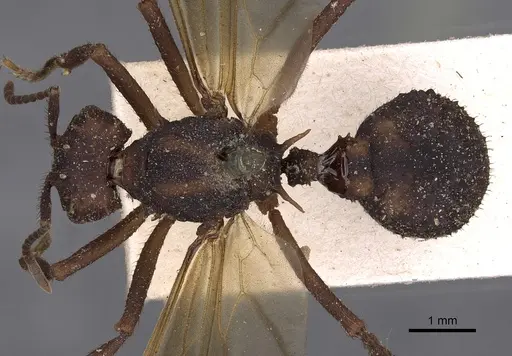
CASENT0904994
View on AntWeb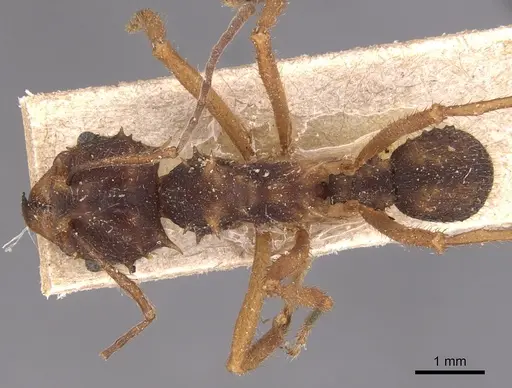
CASENT0909399
View on AntWeb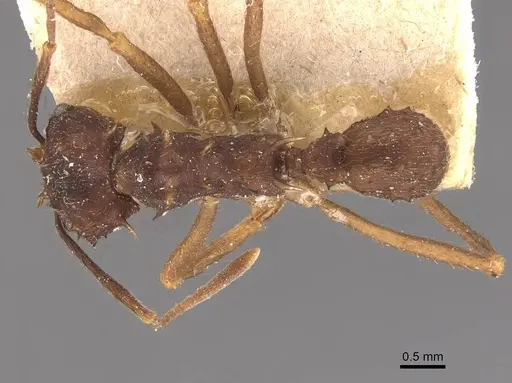
CASENT0909400
View on AntWeb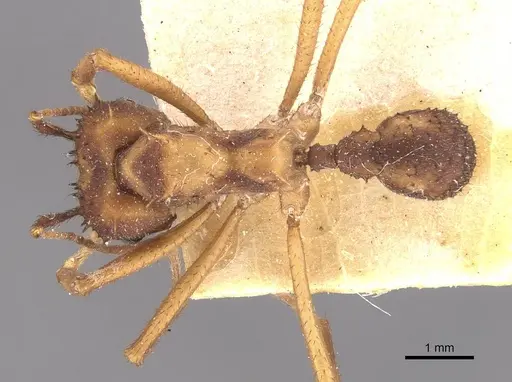
CASENT0912440
View on AntWeb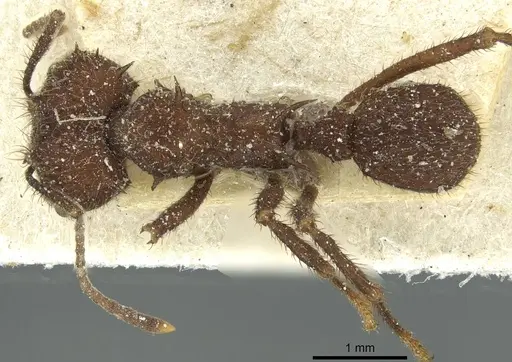
CASENT0912441
View on AntWeb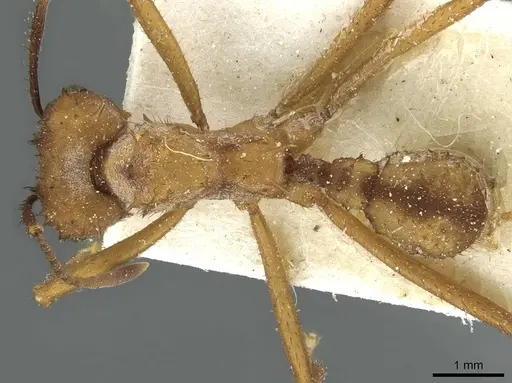
CASENT0922020
View on AntWeb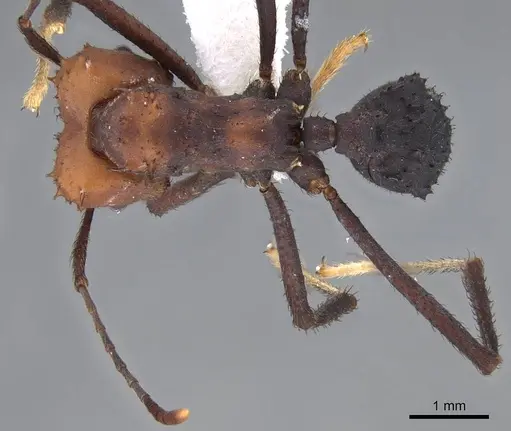
Literature
Loading...Loading products...