

Acanthostichus punctiscapus
- Scientific Name
- Acanthostichus punctiscapus
- Subfamily
- Dorylinae
- Author
- MacKay, 1996
- Distribution
- Found in 1 countries
Acanthostichus punctiscapus Overview
Acanthostichus punctiscapus is an ant species of the genus Acanthostichus. It is primarily documented in 1 countries , including United States of America. Detailed taxonomic data and occurrence records can be further explored via authoritative databases such as AntWeb or the Global Biodiversity Information Facility (GBIF).
Acanthostichus punctiscapus
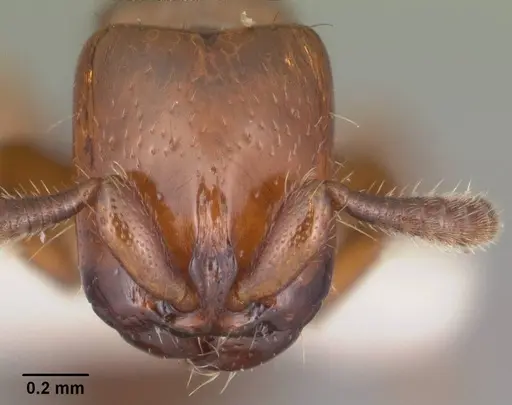
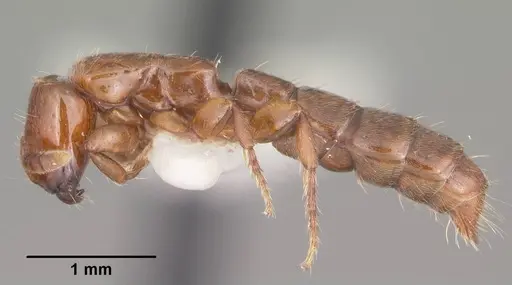
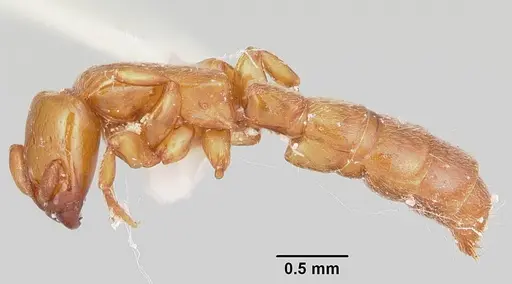
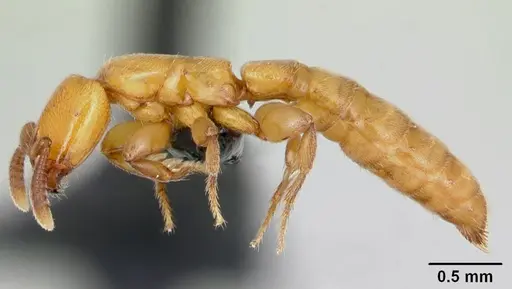
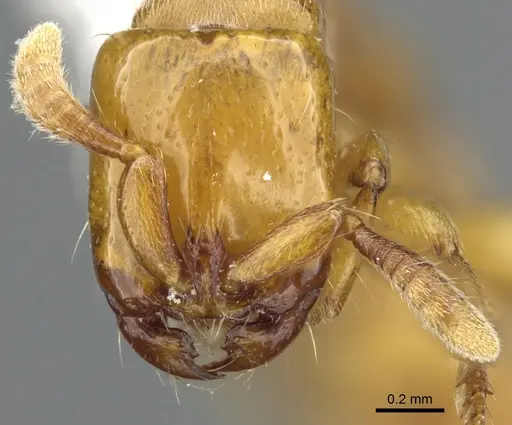
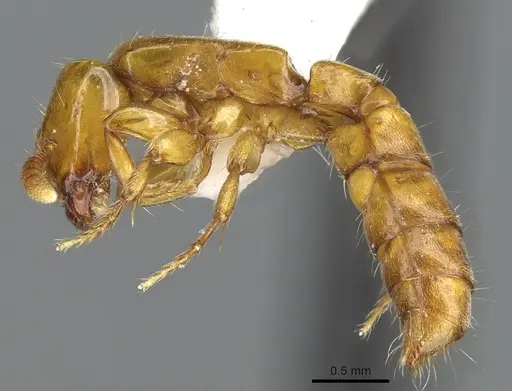
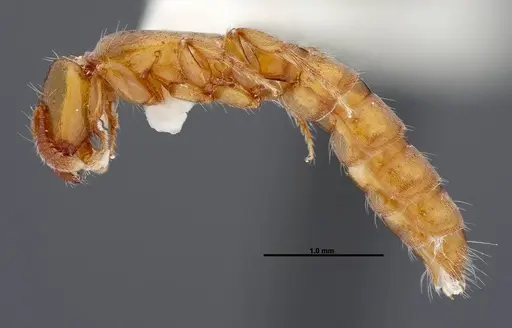
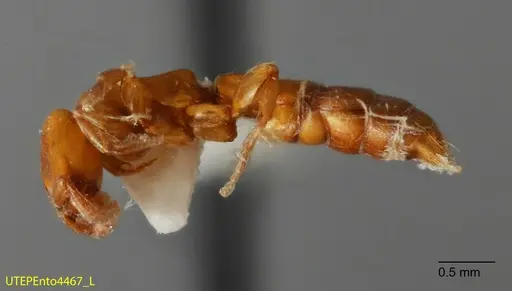
Workers of Acanthostichus punctiscapus are tiny desert ants, with mesosoma lengths around 1.2mm and total body length roughly 3mm [1]. You can recognize them by their rough, sandpaper-like texture, their antennae stalks (scapes) and bodies are covered in dense tiny pits called punctures, which is how they got their name "punctiscapus" (punctured scape) [1]. They live deep underground in the Chihuahuan Desert, where they hunt termites as their primary food source [2]. Despite being described by scientist William Mackay in 1996,we only know of two collections of this species ever made: one group found 70cm deep inside a harvester ant nest (Pogonomyrmex desertorum) in New Mexico, and two workers caught at a termite trap in Arizona [1][3]. Remarkably, no queen has ever been found, we don't know what they look like or how colonies are founded, making this one of North America's most mysterious ants [1].
Quick Summary
- Difficulty: Expert/Impossible
- Origin & Habitat: Chihuahuan Desert scrub in New Mexico, Arizona, and Mexico, specifically under creosote bush (Larrea tridentata) in sandy desert soils [1]
- Colony Type: Unknown, no reproductive queens have ever been documented [1]
- Size & Growth:
- Queen: Unknown, no queens collected [1]
- Worker: Mesosoma length 1.18-1.24mm, total body approximately 3mm [1]
- Colony: Unknown
- Growth: Unknown
- Development: Unknown, no breeding data exists (Development timeline is unconfirmed because colony reproduction has never been observed in the wild or in captivity.)
- Antkeeping:
- Temperature: Unknown, likely warm desert conditions (25-30°C) based on habitat, but unconfirmed
- Humidity: Unknown, desert species, but as hypogaeic (subterranean) ants they likely need moderate humidity in deep nest chambers [4]
- Diapause: Unknown, likely not required given desert habitat, but unconfirmed
- Nesting: Hypogaeic (subterranean), they live deep underground, possibly in association with other ant species. Standard formicaria are unsuitable [4][1]
- Behavior: Specialized termite predators that forage underground [2]. Workers are small, slow-moving, and subterranean. They pose no sting risk to humans due to their tiny size [1].
- Common Issues: no queens have ever been collected, making colony founding impossible with current knowledge., specialized diet of live termites would be required, which is difficult to maintain in captivity [2]., subterranean lifestyle requires deep soil conditions that are nearly impossible to replicate in standard ant farms [4]., extreme rarity means any collected specimens should be preserved for science rather than kept.
The Mystery of the Missing Queens
Acanthostichus punctiscapus presents a unique problem for antkeepers: we have never found a queen. Every colony collected so far has yielded only workers [1]. The type series, the specimens used to describe the species, came from 70cm deep inside a harvester ant nest (Pogonomyrmex desertorum), yet no queen was found even after excavating part of the nest [1][3]. This raises several possibilities. The queens might be ergatoid (wingless and worker-like), making them hard to distinguish from workers. Alternatively, they might be extremely deep in the soil, or the species might be a social parasite that relies on host colonies. Without knowing what the queen looks like or how she establishes a colony, captive breeding is impossible. If you ever encounter this species, preserve the specimens for scientific study rather than attempting to found a colony.
Natural History and Habitat
This species inhabits the harsh Chihuahuan Desert, specifically areas dominated by creosote bush (Larrea tridentata) scrub [1]. They are hypogaeic, meaning they live their entire lives underground in deep soil or sand [4]. Their subterranean nature explains why they are so rarely encountered, they don't come to the surface to forage in the way many ants do. Instead, they hunt termites in the soil, making them specialized predators [2]. The second known collection came from a termite trap, confirming their dietary specialization [1]. Their habitat experiences extreme temperature swings and low humidity at the surface, but at 70cm depth where they were found, conditions are more stable and moderately humid.
Why This Species Is Not Suitable for Captive Keeping
You cannot currently keep Acanthostichus punctiscapus in a standard ant farm setup. First, no queens are available, the species is only known from workers, so there is no way to start a colony [1]. Second, their specialized diet of termites would be extremely difficult to provide consistently in captivity [2]. Third, their subterranean lifestyle requires deep, stable soil conditions that are nearly impossible to replicate in a formicarium while still allowing observation [4]. Finally, with only two collections known to science, this species is too rare to remove from the wild. If you encounter them, photograph them in situ and report the finding to local entomological societies rather than collecting them.
Identification Features
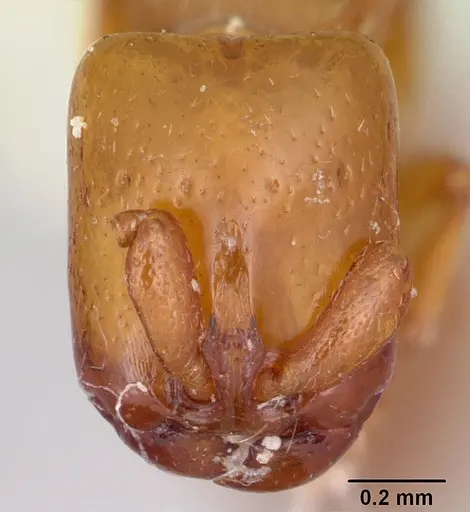
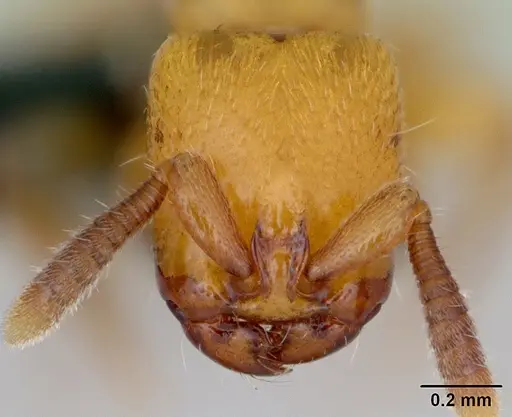
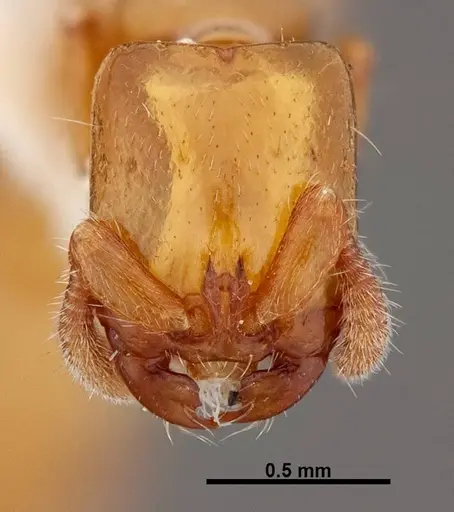
If you think you've found this species in the Chihuahuan Desert, look for these key features. Workers are tiny (around 3mm total length) with a distinctive rough texture [1]. The most telling feature is the antennae scape (the first long segment of the antenna), which is densely covered in tiny punctures or pits, this is unique to this species within the genus [1]. The head sides run parallel, and the back of the head (occiput) is slightly concave. The petiole (waist segment) has a large tooth pointing downward. Most of the body, including the mandibles and gaster, shares this punctate texture, though less densely on the head and more so on the middle body section (mesosoma) [1].
Frequently Asked Questions
Can I keep Acanthostichus punctiscapus in a test tube or formicarium?
No. This species cannot be kept in captivity because no queens have ever been found, so there is no way to establish a colony [1]. Additionally, they require deep subterranean conditions and a specialized diet of termites that cannot be provided in standard ant-keeping setups [2][4].
How do I find a queen Acanthostichus punctiscapus?
We don't know how to find queens of this species, they have never been collected. They might be wingless and living deep underground, or they might be social parasites within other ant nests [1]. Until scientists discover how this species reproduces, queens remain unavailable to antkeepers.
What do Acanthostichus punctiscapus eat?
They are specialized predators of termites [2]. One collection was made at a termite trap, and their close relatives in the genus Acanthostichus are all termite specialists. They would not accept standard ant foods like honey water or mealworms.
Where can I find Acanthostichus punctiscapus in the wild?
They live in the Chihuahuan Desert of southern New Mexico, Arizona (around Tucson), and Mexico [1]. Look in creosote bush scrub habitats with sandy soils. However, they are extremely rare, only two collections exist despite extensive ant surveys in the region [1].
Why are Acanthostichus punctiscapus so rare?
They are likely not actually rare in terms of population, but rarely detected because they live their entire lives deep underground (hypogaeic) [4]. Standard ant collecting methods like surface pitfall traps rarely catch subterranean species. They only come to scientific attention when deep soil excavations or specialized subterranean traps are used [1].
Can I collect Acanthostichus punctiscapus if I find them?
You should not collect them. With only two documented collections in scientific history, removing specimens could harm the species. Instead, take detailed photos and note the exact location, depth, and habitat, then report the finding to entomologists or local natural history museums [1][3].
References

This caresheet is licensed under CC BY-SA 4.0 .
CASENT0003311
View on AntWeb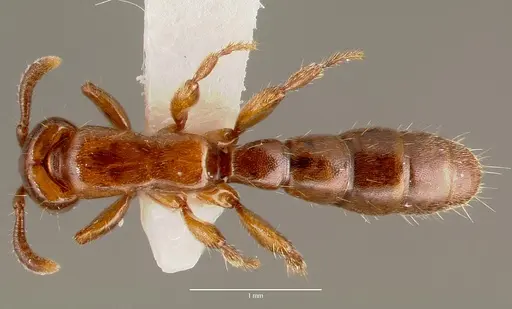
CASENT0103132
View on AntWeb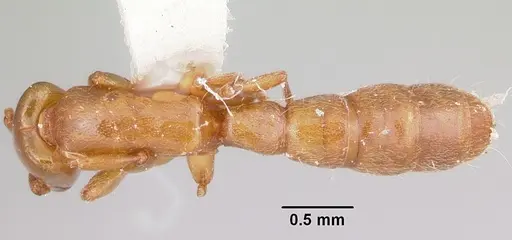
CASENT0173204
View on AntWeb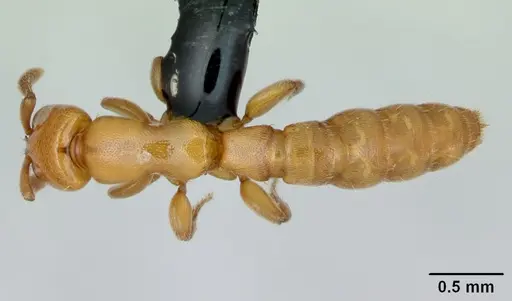
CASENT0903672
View on AntWeb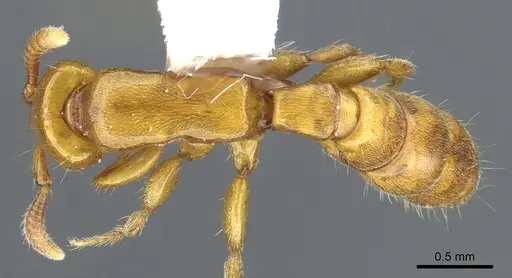
FMNHINS0000047309
View on AntWeb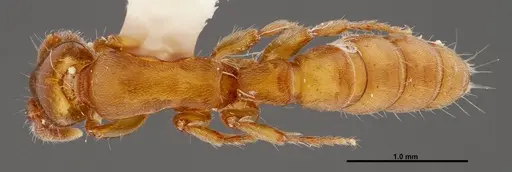
UTEPENTO4467
View on AntWeb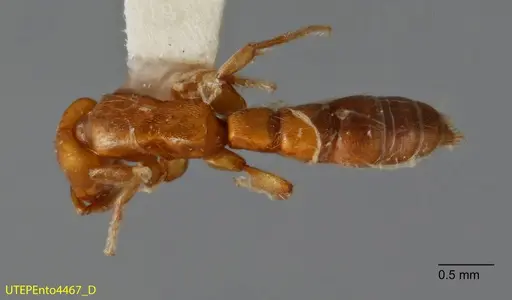
Literature
Loading...Loading products...