

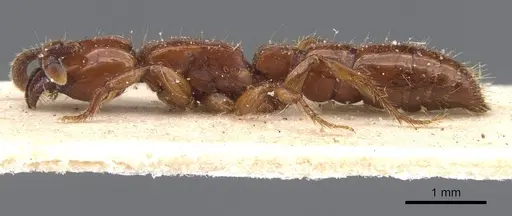
Acanthostichus laticornis
- Scientific Name
- Acanthostichus laticornis
- Subfamily
- Dorylinae
- Author
- Forel, 1908
- Distribution
- Found in 2 countries
Acanthostichus laticornis Overview
Acanthostichus laticornis is an ant species of the genus Acanthostichus. It is primarily documented in 2 countries , including Brazil, Paraguay. Detailed taxonomic data and occurrence records can be further explored via authoritative databases such as AntWeb or the Global Biodiversity Information Facility (GBIF).
Acanthostichus laticornis
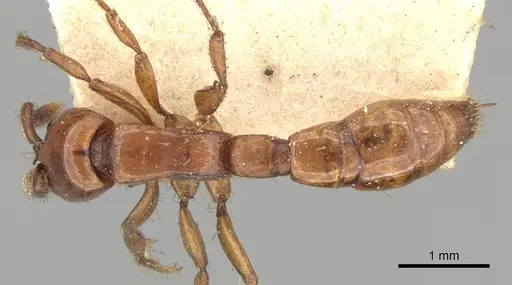
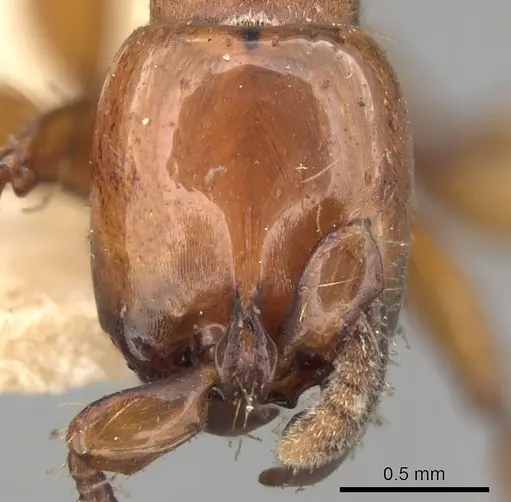
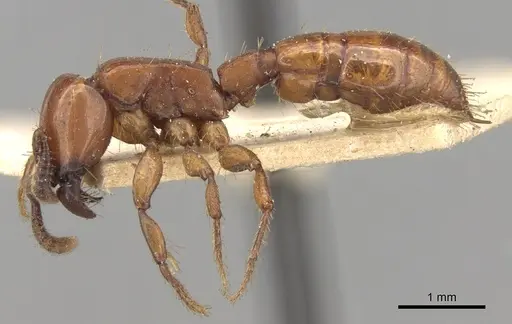
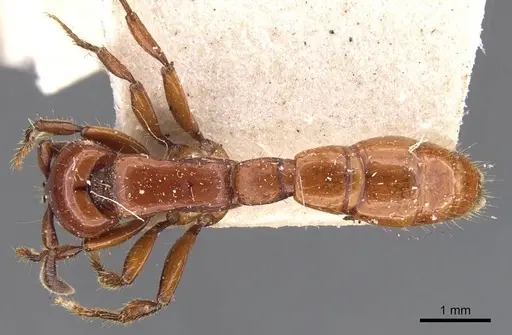
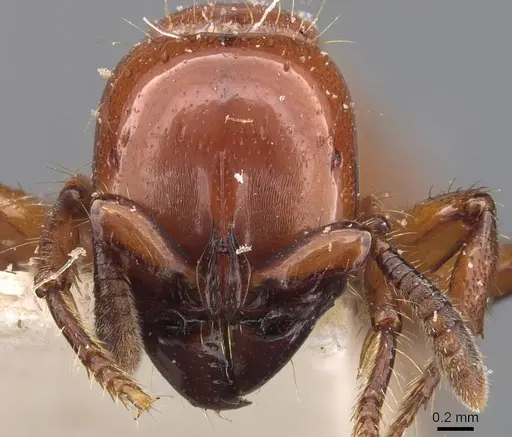
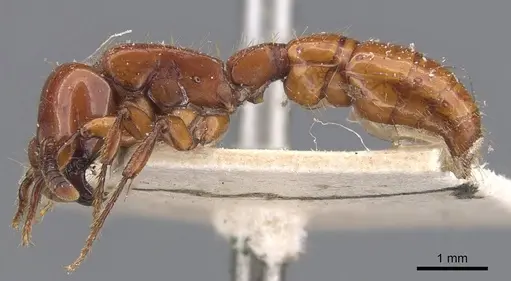
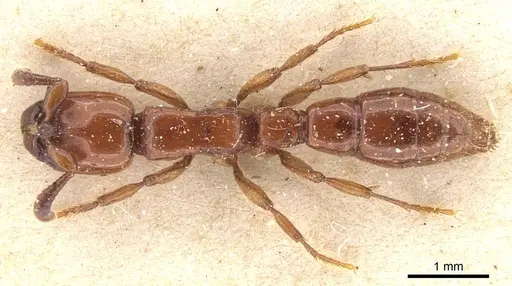
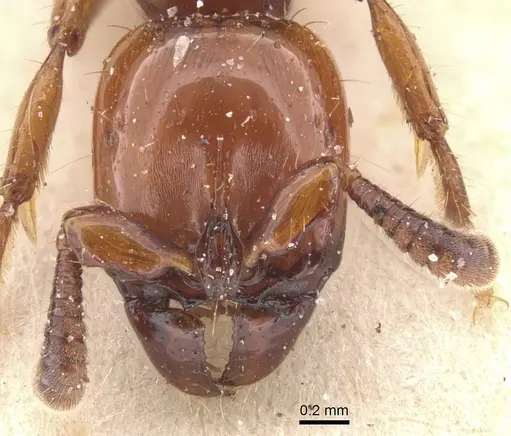
Workers of Acanthostichus laticornis are small, pale brown ants with distinctive short, thick antennae that have a sharp bend [1]. They live across the Neotropical region in Argentina, Brazil, Paraguay, and Uruguay [1]. In the wild, they occupy a cryptic lifestyle, hiding under rocks and inside termite nests where they prey on their hosts [1][2]. Unlike the massive raiding columns of army ants, these ants form smaller foraging columns to hunt termites, making them fascinating but challenging subjects for ant keepers [1].
What makes this species particularly difficult in captivity is their specialized diet. They are obligate termite predators, which means they rely almost entirely on termites for food [1]. This dietary requirement, combined with their cryptic nesting habits and unknown founding biology, places them firmly in the expert category. Only experienced keepers with access to live termite colonies should attempt to maintain them.
Quick Summary
- Difficulty: Expert
- Origin & Habitat: Neotropical region: Argentina, Brazil, Paraguay, and Uruguay [1]. Found in primary forest including disturbed habitats like logged and burnt forest [3]. Classified as a cryptic species that lives hidden in soil, leaf litter, or rotting wood [2].
- Colony Type: Likely single-queen (monogyne) based on field observations finding one female per nest, but this remains unconfirmed [1].
- Colony: Monogyne
- Size & Growth:
- Queen: Head width 1.82mm [1] (estimated total length 5-6mm).
- Worker: Head width 0.86-1.20mm [1] (estimated total length 3-4mm).
- Colony: Unknown, field observations describe 'numerous workers' but specific counts are undocumented [1].
- Growth: Unknown
- Development: Unknown (Development timeline is unconfirmed. Growth likely moderate to slow given specialized predatory lifestyle.)
- Antkeeping:
- Temperature: Keep warm, roughly 24-28°C is a reasonable starting point based on their tropical range [1][3]. Use a heating cable on one side to create a gradient and observe colony preference.
- Humidity: High humidity required. Keep nest substrate consistently moist but not waterlogged, mimicking the damp conditions of their cryptic habitat [2].
- Diapause: Likely not required, they are tropical ants, though southern populations in Argentina might experience cooler periods. Most keepers maintain stable warm temperatures year-round [1].
- Nesting: Naturalistic setup essential. Provide deep, moist substrate (coco fiber or sandy soil) with flat stones or bark to hide under, replicating the termite nests and rock piles they inhabit in nature [1].
- Behavior: Predatory termite specialists that forage in organized columns similar to smaller army ant raids [1]. Cryptic and secretive, spending most time hidden in substrate [2]. Escape prevention is critical due to small worker size.
- Common Issues: dietary specialization on termites makes captive keeping extremely difficult without a constant supply of live termites., cryptic behavior means they remain hidden and are difficult to observe in standard clear nests., unknown founding biology means starting colonies from queens is uncertain and undocumented., small worker size means they can escape through tiny gaps in mesh or lids.
Natural History and Termite Predation
These ants are specialist termite predators found in the Neotropical region [1]. They forage in organized columns similar to army ants but on a smaller scale, raiding termite nests for food [1]. One nest observation found them living under a large rock, apparently within a termite nest structure, containing numerous workers and a single queen [1]. They are classified as a cryptic species, meaning they spend most of their time hidden in soil, leaf litter, or rotting wood [2]. In Brazil, they have been recorded in primary forest that has been logged and burnt, showing some resilience to habitat disturbance [3].
Housing Cryptic Predators
In captivity, replicate their cryptic lifestyle. Use a naturalistic setup with a deep substrate layer of coco fiber or sandy soil that stays moist but not waterlogged. Provide flat stones or bark pieces for them to nest under, mimicking the large rocks they favor in nature [1]. They need darkness and security, clear acrylic nests may stress them. Ensure excellent ventilation while maintaining high humidity to prevent mold in the damp substrate they prefer [2].
The Termite Diet Challenge
This is the biggest barrier to keeping Acanthostichus laticornis. They prey specifically on termites [1]. You will need a constant supply of live termites, likely the only food they will reliably accept. Culturing termites or sourcing them regularly is essential. They may not recognize other insects as food. Offer small termite workers or nymphs regularly. Without termites, the colony will starve.
Temperature and Environmental Needs
Coming from tropical and subtropical South America, they need warm temperatures. Start around 24-28°C based on their distribution in Brazil and northern Argentina [1][3]. Use a heating cable on one side of the nest to create a gradient. Keep humidity high, the substrate should feel damp to the touch, as they are cryptic ants from moist habitats [2]. Avoid dry conditions.
Colony Founding and Growth
Founding behavior is unconfirmed. Whether queens seal themselves in (claustral) or need to forage (semi-claustral) is unknown. In the wild, colonies contain a single queen [1], suggesting monogyne colonies. Development time from egg to worker is undocumented. Growth rate is likely moderate to slow given their specialized predatory lifestyle, but this is speculative.
Frequently Asked Questions
Can I keep Acanthostichus laticornis in a test tube?
Test tubes are not recommended. These ants need cryptic, soil-based nests with high humidity and space to form their characteristic foraging columns. A naturalistic setup with deep substrate is essential [1][2].
What do Acanthostichus laticornis eat?
They are specialist termite predators. You will need to provide live termites as their primary or sole food source. They hunt termites in organized raids and may not accept other prey [1].
How big do Acanthostichus laticornis colonies get?
Exact maximum size is unknown. Field observations describe colonies as having 'numerous workers' with a single queen, but specific counts are not documented [1].
Do Acanthostichus laticornis ants sting?
Stinging capability is unconfirmed for this species, though related Dorylinae ants typically possess stings. Handle with caution.
Are Acanthostichus laticornis good for beginners?
No. They are expert-level ants due to their specialized termite diet, cryptic behavior, and unknown founding biology. Only attempt if you can reliably source termites and have experience with difficult species [1].
How long until first workers for Acanthostichus laticornis?
The egg-to-worker timeline is unconfirmed. Founding behavior has not been documented, making it impossible to predict when first workers will emerge.
Do Acanthostichus laticornis need hibernation?
Probably not. They are tropical ants from warm regions, though southern populations in Argentina might experience cooler periods. Most keepers maintain them at stable warm temperatures year-round [1].
Can I keep multiple Acanthostichus laticornis queens together?
Not recommended. Field evidence suggests single-queen colonies [1]. Combining queens likely leads to fighting.
Where do Acanthostichus laticornis live in the wild?
They are found in Argentina, Brazil, Paraguay, and Uruguay, living under rocks and inside termite nests in forests [1][3][2].
Why are my Acanthostichus laticornis dying?
Common causes include lack of termites (they may starve without this specific food), incorrect humidity (too dry or too wet), or stress from excessive light/exposure in non-cryptic setups.
References

This caresheet is licensed under CC BY-SA 4.0 .
Literature
Loading...Loading products...