

Acanthostichus davisi
- Scientific Name
- Acanthostichus davisi
- Subfamily
- Dorylinae
- Author
- Smith, 1942
- Distribution
- Found in 3 countries
Acanthostichus davisi Overview
Acanthostichus davisi is an ant species of the genus Acanthostichus. It is primarily documented in 3 countries , including India, Mexico, United States of America. Detailed taxonomic data and occurrence records can be further explored via authoritative databases such as AntWeb or the Global Biodiversity Information Facility (GBIF).
Acanthostichus davisi
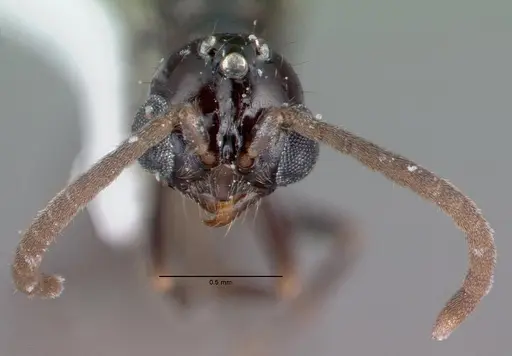
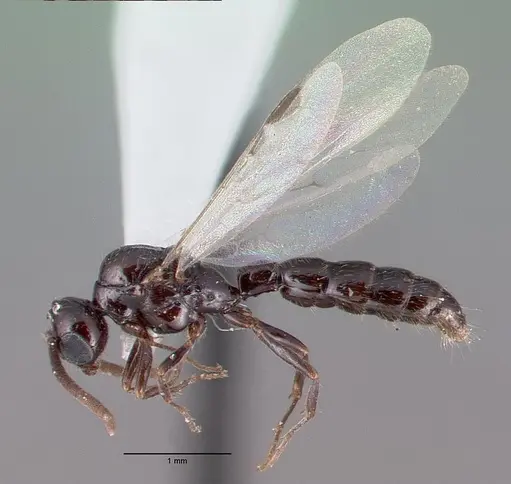
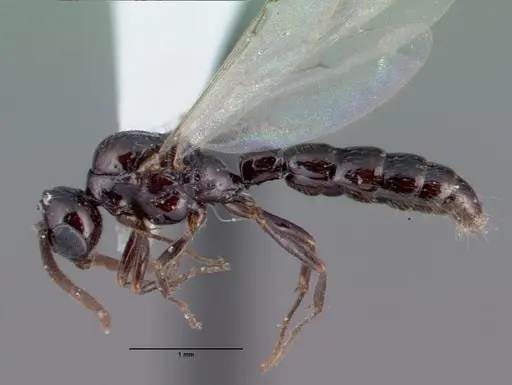
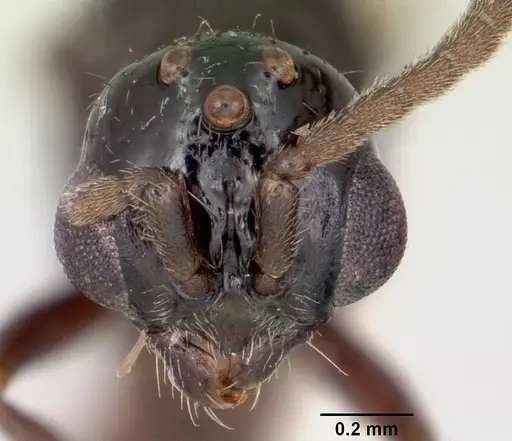
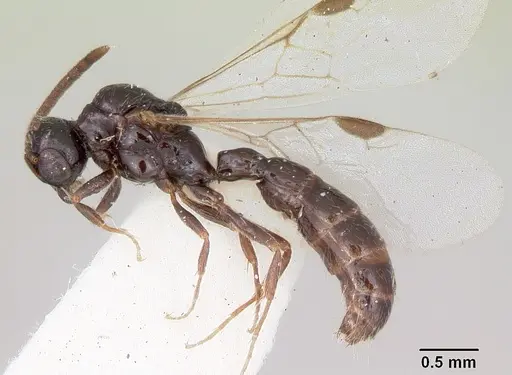
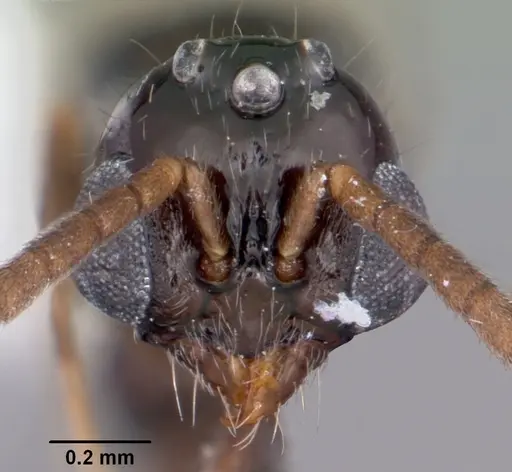
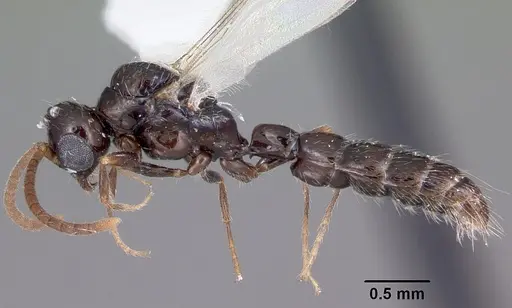
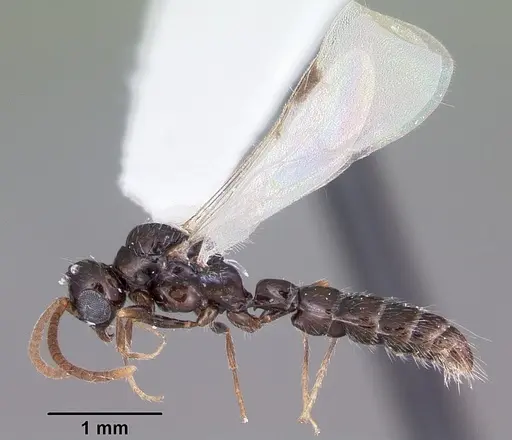
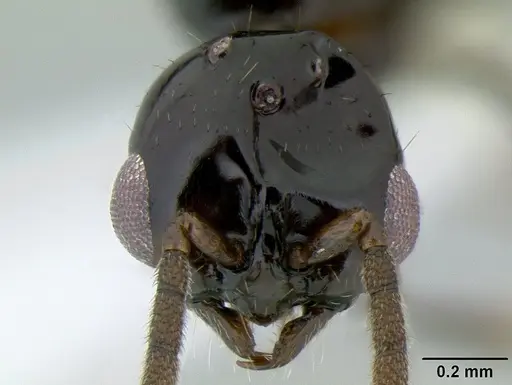
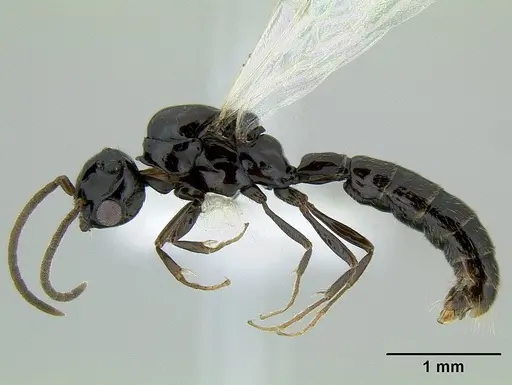
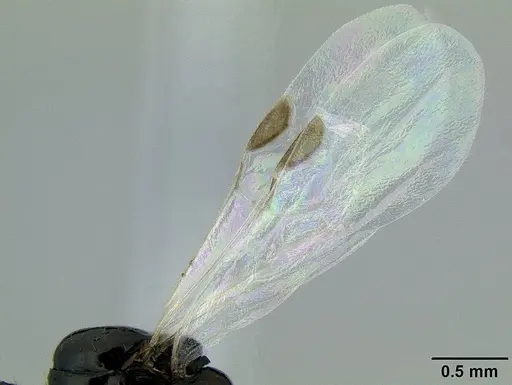
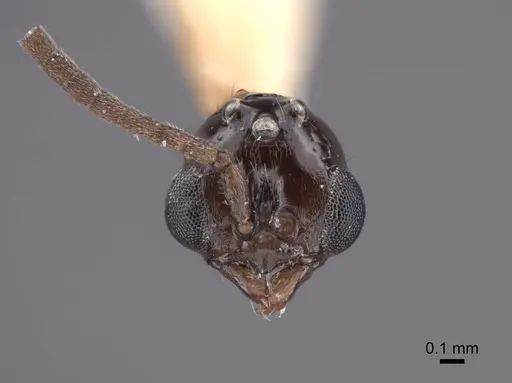
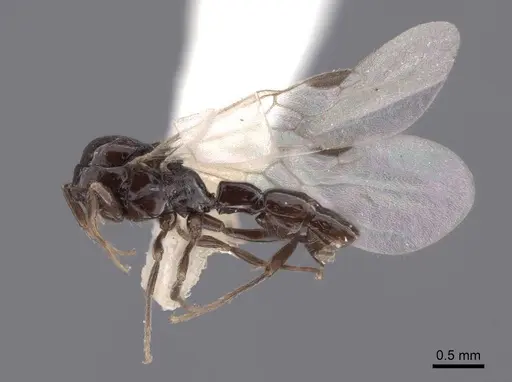
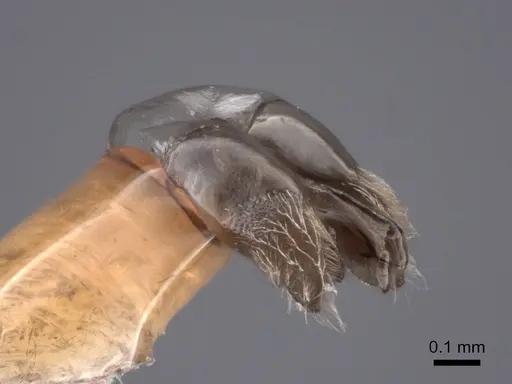
Acanthostichus davisi is a desert ant known only from male specimens. Males measure 3.8 to 4.2 millimeters and are dark brown to almost black [1]. They have been collected at blacklights in creosote bush scrub across Texas, New Mexico, California, and northern Mexico, particularly in the Chihuahuan and Sonoran deserts [1][2][3]. Despite being abundant at some localities in Chihuahua, Mexico, no queens or workers have ever been found [1][4].
This species was originally described in 1942 and moved to the genus Acanthostichus in 2014 when genetic studies confirmed its placement among these specialized predatory ants [4][5]. The fact that only males are known suggests colonies are extremely cryptic, possibly nesting deep underground or within termite mounds. As members of the subfamily Dorylinae, they are related to army ants and likely prey on termites, though their specific biology remains a mystery [4].
Quick Summary
- Difficulty: Expert
- Origin & Habitat: Chihuahuan and Sonoran desert scrub, Texas, California, and Mexico (Chihuahua, Sonora) [1][2][3]
- Colony Type: Unknown, no queens or workers have ever been collected [4]
- Size & Growth:
- Antkeeping:
- Behavior: Unknown temperament, males are nocturnal and attracted to lights [1]
- Common Issues: only males are known, no queens are available to start colonies, biology is completely unstudied, no care protocols exist, desert habitat likely requires precise humidity and temperature control that is unstudied, specialized diet probably required but unconfirmed
The Mystery of Male-Only Collections
Since its description in 1942,Acanthostichus davisi has only been collected as males at blacklights [1][4]. Males range from 3.8 to 4.2 millimeters and are dark brown to almost black [1]. The complete absence of queens and workers suggests colonies are extremely cryptic, possibly nesting deep in soil or within termite mounds where they remain hidden from standard collecting methods [1]. In Chihuahua, Mexico, males are abundant at lights, indicating large populations, yet the actual nests remain undiscovered [1]. This makes the species currently unavailable for antkeeping, as no one has ever located a colony to study or collect.
Desert Habitat and Range
This species inhabits creosote bush scrub and other desert vegetation in the Chihuahuan and Sonoran deserts [1]. In the United States, males have been collected in Texas (Fort Davis area at 5000 feet elevation), and in California's Imperial and San Bernardino counties [1][3]. In Mexico, they are recorded from Chihuahua and Sonora states, where they are particularly abundant [1][2]. These are hot, dry environments with sparse vegetation. The Texas type locality sits at 5000 feet in the Davis Mountains, suggesting they tolerate elevation but remain in arid zones [1].
Inferences from Related Species
Genetic studies place Acanthostichus davisi firmly within the genus Acanthostichus in the subfamily Dorylinae, the group containing army ants and their relatives [4][5]. Doryline ants are specialized predators, and Acanthostichus species are generally thought to prey on termites. If this species follows the genus pattern, they likely form small colonies with cryptic nesting habits and specialized dietary needs. However, without observing actual colonies, these remain educated guesses rather than confirmed facts.
Why This Species Is Not Recommended for Captive Keeping
You cannot currently keep Acanthostichus davisi because no queens have ever been collected. Even if a queen were found, her founding behavior, dietary requirements, and nesting preferences are completely unknown. Desert-dwelling ants often need specific temperature and humidity gradients that differ from tropical species commonly kept in the hobby. Until researchers discover nests and publish basic biological data, this species remains a scientific curiosity rather than a candidate for captivity.
Frequently Asked Questions
Can I keep Acanthostichus davisi in a test tube?
No. Only males have ever been collected, so no queens are available to start colonies. The species is not currently available in the antkeeping trade [4][1].
How long until first workers for Acanthostichus davisi?
Unknown. No one has ever observed a colony of this species, so development timelines are unconfirmed.
What do Acanthostichus davisi eat?
Unknown for this specific species. Based on their placement in the genus Acanthostichus, they likely prey on termites, but this has not been confirmed [4].
How big do Acanthostichus davisi colonies get?
Unknown. No colonies have ever been found.
Are Acanthostichus davisi good for beginners?
No. This species is not recommended for anyone since colonies have never been collected or kept in captivity.
Where can I find Acanthostichus davisi queens?
You cannot. Despite extensive collecting in their range, no queens have ever been found. They may be extremely cryptic or nest in inaccessible locations like deep soil or termite mounds [1].
What temperature do Acanthostichus davisi need?
Unknown. They live in hot desert regions, so they likely need warmth, but specific temperature requirements have not been studied [1].
Do Acanthostichus davisi need hibernation?
Unknown. Their activity patterns have not been documented.
Why are only males known for Acanthostichus davisi?
Males are attracted to blacklights at night, making them easy to collect. Queens and workers likely remain hidden in nests, possibly underground or within termite colonies, avoiding detection [1][4].
References

This caresheet is licensed under CC BY-SA 4.0 .
CASENT0010698
View on AntWeb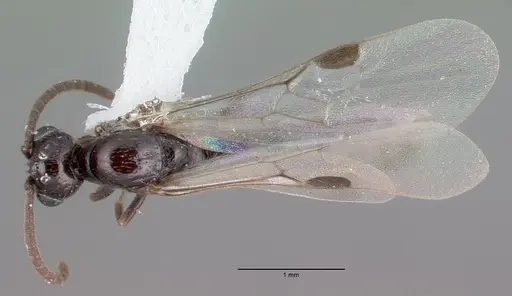
CASENT0103134
View on AntWeb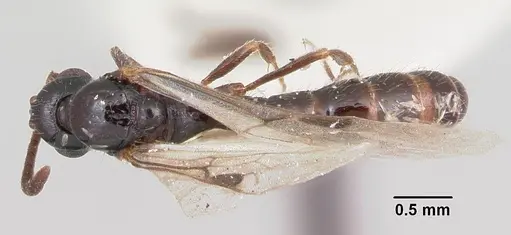
CASENT0104942
View on AntWeb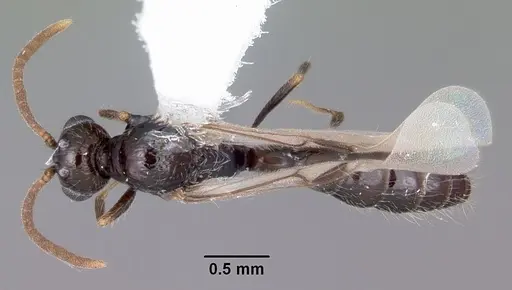
CASENT0106228
View on AntWeb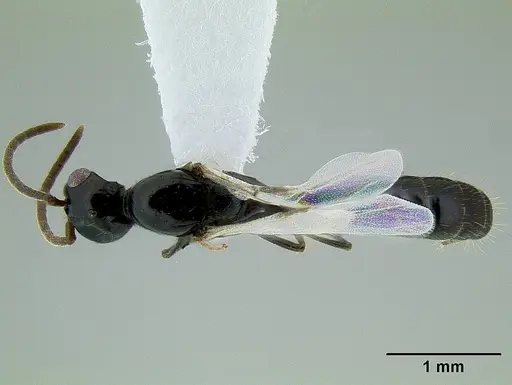
FMNHINS0000045042
View on AntWeb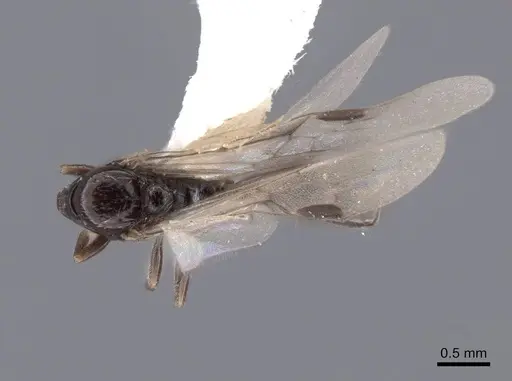
Literature
Loading...Loading products...