

Acanthoponera minor
- Scientific Name
- Acanthoponera minor
- Tribe
- Heteroponerini
- Subfamily
- Ectatomminae
- Author
- Forel, 1899
- Distribution
- Found in 6 countries
Acanthoponera minor Overview
Acanthoponera minor is an ant species of the genus Acanthoponera. It is primarily documented in 6 countries , including Costa Rica, Ecuador, Guatemala. Detailed taxonomic data and occurrence records can be further explored via authoritative databases such as AntWeb or the Global Biodiversity Information Facility (GBIF).
Acanthoponera minor
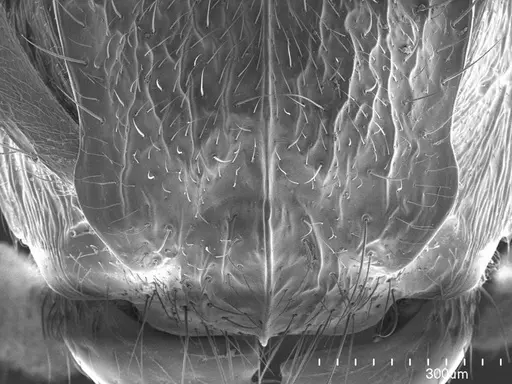
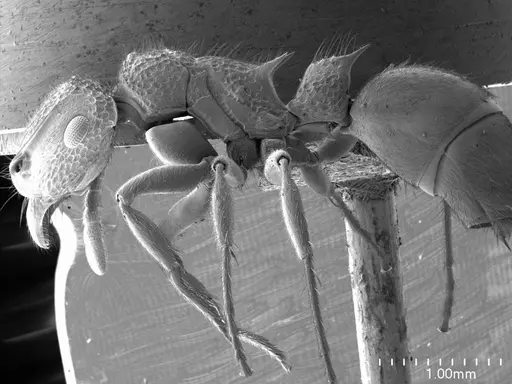
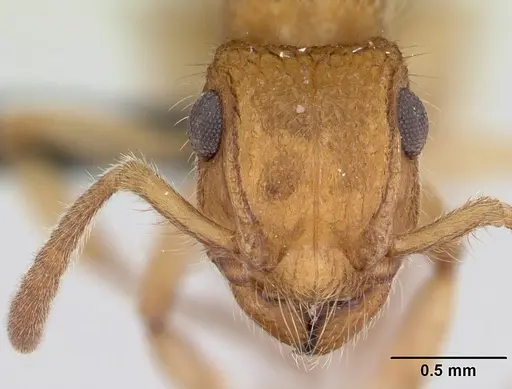
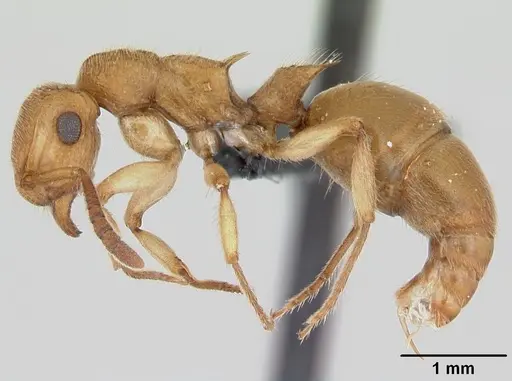
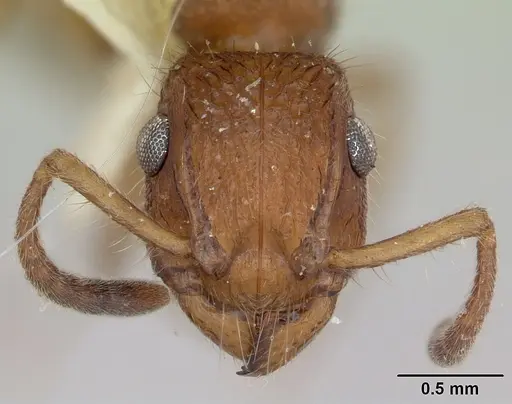
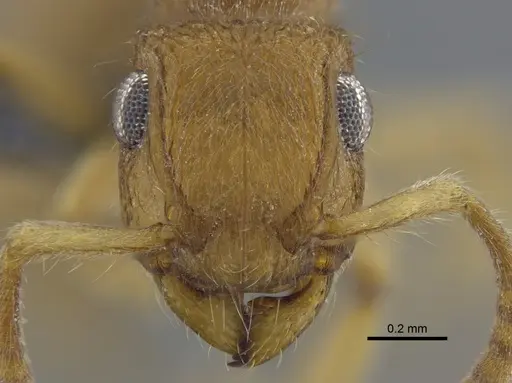
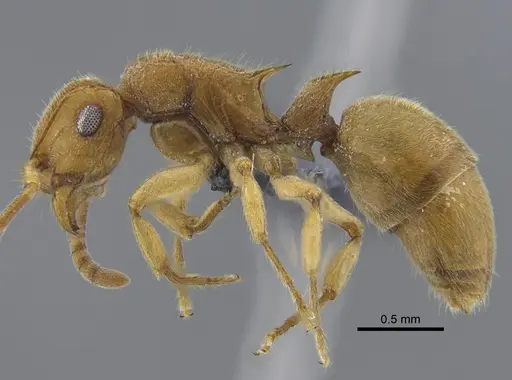
Acanthoponera minor is a small, yellow to brown ant found throughout the Neotropical lowlands. Workers measure just under 5-6 mm and are the smallest in their genus, with heads barely 1 mm wide [1][2]. They inhabit wet forests from Mexico to Trinidad and Tobago, building distinctive nests consisting of small clay turrets attached to plant stems or branches [3][1]. Both workers and queens forage alone at night, making them secretive and challenging to observe in the wild [3].
What sets this species apart is its strictly nocturnal and solitary foraging behavior, unusual among ants that typically forage in groups. They are predatory hunters that stalk low vegetation and tree trunks after dark, and they react furtively when illuminated, darting away rather than holding their ground [3][4]. Their nest architecture, tiny clay towers built on living vegetation, also makes them unique among captive ants, requiring specialized housing approaches.
Quick Summary
- Difficulty: Hard
- Origin & Habitat: Lowland wet forests and agroforestry systems from southern Mexico through Central America to Colombia, Ecuador, Trinidad and Tobago [1][5][3]
- Colony Type: Unconfirmed, solitary foraging observed but colony structure undocumented
- Size & Growth:
- Antkeeping:
- Temperature: 24-28°C (75-82°F), typical for lowland tropical wet forest species
- Humidity: High humidity required, nest substrate should remain consistently moist but not waterlogged
- Diapause: No, tropical species active year-round
- Nesting: Vertical clay turrets on stems or branches in nature, captivity requires textured vertical surfaces or specialized naturalistic setups [3][1]
- Behavior: Strictly nocturnal and solitary foragers, predatory, furtive and fast-moving when exposed to light, both workers and queens forage outside the nest [3][4]. Workers are small (under 6mm) so escape prevention requires fine mesh barriers.
- Common Issues: nocturnal schedule makes observation difficult, colonies may appear inactive during the day, specific nesting requirements, they naturally build clay turrets on vegetation, which is hard to replicate in standard formicaria, predatory diet requires consistent supply of small live prey, small worker size (under 6mm) means they can escape through tiny gaps in standard enclosures, furtive behavior when illuminated makes health checks and feeding challenging
Natural History and Distribution
Acanthoponera minor ranges from southern Mexico through Guatemala, Honduras, and Costa Rica to Colombia, Ecuador, and Trinidad and Tobago [1][5]. They occupy lowland wet forests up to 1500 meters elevation, including terra firme forests and agroforestry environments like guava plantations [1][5][4].
In Costa Rica, they appear to be ubiquitous in lowland wet forest, though they can also exploit disturbed habitats like pastures adjacent to forest patches [3]. Their distribution spans the entire Neotropical region, making them one of the most widespread species in the genus despite being the smallest [2].
Nocturnal Behavior and Foraging
These ants are strictly nocturnal. Workers and queens forage alone after dark on low vegetation, tree trunks, and branches [3][1]. They do not use trail pheromones or forage in groups, each ant hunts solitarily [3].
When illuminated at night, they display furtive behavior, quickly hiding or fleeing rather than freezing or attacking [3]. This makes them challenging to observe and track back to nests in the wild. In captivity, this means you will primarily observe activity during dark hours, and bright light checks will disrupt their normal behavior.
Nest Architecture and Housing
Wild nests feature a distinctive small clay turret extending 1-2 cm up the side of an erect plant stem or branch [3][1]. This architecture suggests they require vertical nesting surfaces and may use plant material as structural support.
In captivity, standard horizontal test tube setups may not suit their biology. Instead, provide vertical nesting opportunities: naturalistic setups with live or artificial plants, clay-based nest blocks with vertical tunnels, or formicaria that allow for tower-like construction. They need textured surfaces to grip and build upon. Maintain high humidity but ensure some ventilation to prevent mold in the clay or soil components.
Diet and Feeding
Acanthoponera minor is predatory, classified as a hunter rather than a scavenger or granivore [4][6]. They have been observed frequently on guava trees, suggesting they may hunt insects associated with fruit or foliage [4][6].
Feed small live prey appropriate for their size: fruit flies, springtails, small crickets, or termites. Pre-killed insects may be ignored since they are active hunters. Sugar sources like honey water or fruit may be accepted but should not replace protein, as their morphology and behavior indicate specialization in predation.
Environmental Parameters
As a lowland tropical wet forest species, they require warm, stable temperatures between 24-28°C. They do not require diapause (winter rest) and remain active year-round.
Humidity should remain high, think damp forest floor conditions. The nest substrate should feel moist to the touch, with some gradient allowing ants to choose drier or wetter areas. However, stagnant air promotes mold, so ensure gentle ventilation while maintaining moisture. A heating cable on one side of the enclosure can create a thermal gradient, but avoid overheating as they prefer the stable temperatures of the forest understory. [1][5]
Frequently Asked Questions
Are Acanthoponera minor nocturnal?
Yes, they are strictly nocturnal. Both workers and queens forage alone at night on vegetation and tree trunks, and they hide or flee when exposed to light [3][1].
What kind of nest do Acanthoponera minor build?
They construct small clay turrets or towers extending 1-2 cm up the sides of plant stems or branches [3][1]. This unique architecture means they need vertical nesting surfaces in captivity rather than standard horizontal setups.
How big do Acanthoponera minor workers get?
Workers measure 4.98-5.99 mm in length, making them the smallest species in the genus Acanthoponera [1][2].
Where are Acanthoponera minor found?
They are found throughout the Neotropical region from southern Mexico (Tabasco, Veracruz) through Guatemala, Honduras, Costa Rica, Colombia, Ecuador, and Trinidad and Tobago [1][5][3].
What do Acanthoponera minor eat?
They are predators that hunt small live prey. They have been observed hunting on guava trees and likely feed on small insects and arthropods found on vegetation [4][6].
Do Acanthoponera minor need special lighting?
They do not need special lighting but should be kept on a natural light cycle with dark periods for foraging. Bright light disrupts their behavior and causes them to hide, so observe them using red light or dim illumination if you want to watch their nocturnal activities [3].
How should I house Acanthoponera minor?
Avoid standard test tube setups. Instead, provide vertical nesting surfaces such as naturalistic enclosures with plants, clay-based formicaria, or setups that allow them to build their characteristic clay turrets. Ensure fine mesh or tight-fitting lids as they are small enough to escape through tiny gaps [3][1].
Do Acanthoponera minor colonies get large?
Colony size is unknown, but based on sparse forager distribution in the wild, they likely remain small to moderate rather than reaching massive sizes [3].
Do Acanthoponera minor require hibernation?
No, they are a tropical species from lowland wet forests and remain active year-round without a diapause period.
Can Acanthoponera minor sting?
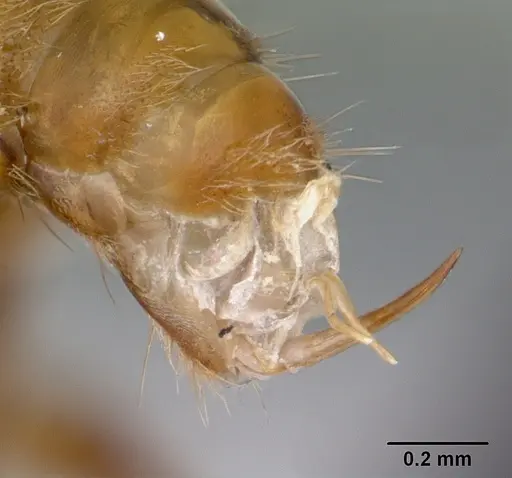
Like other members of the subfamily Heteroponerinae, they possess a stinger, but they are small ants (under 6mm) and are not considered dangerous to humans. They are more likely to flee than sting when disturbed [3].
References

This caresheet is licensed under CC BY-SA 4.0 .
ANTWEB1008491
View on AntWeb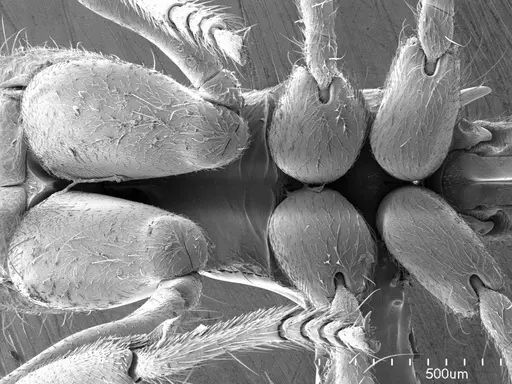
CASENT0039772
View on AntWeb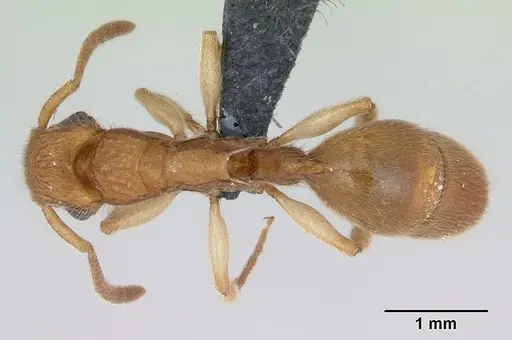
CASENT0178699
View on AntWeb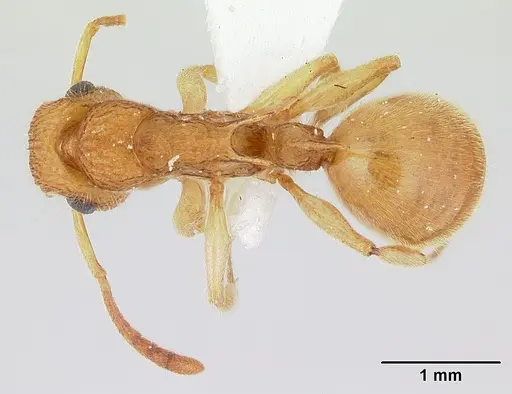
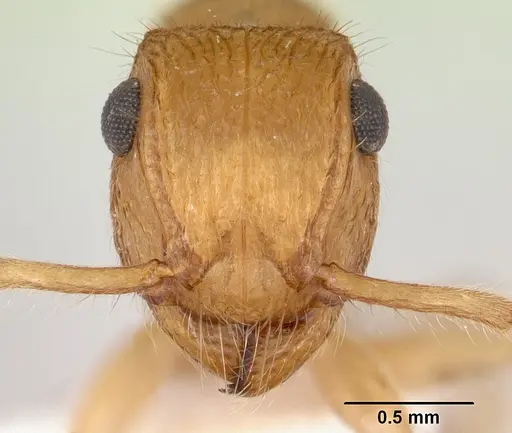
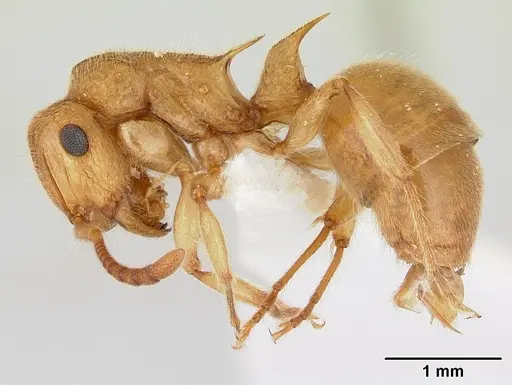
CASTYPE06888
View on AntWeb

IAVH-E-264060
View on AntWeb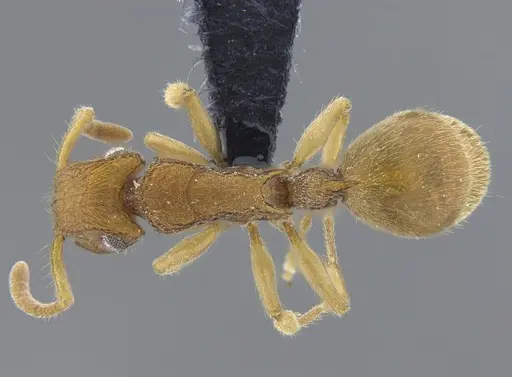
Literature
Loading...Loading products...