

Acanthomyrmex ferox
- Scientific Name
- Acanthomyrmex ferox
- Tribe
- Crematogastrini
- Subfamily
- Myrmicinae
- Author
- Emery, 1893
- Distribution
- Found in 3 countries
Acanthomyrmex ferox Overview
Acanthomyrmex ferox is an ant species of the genus Acanthomyrmex. It is primarily documented in 3 countries , including Brunei Darussalam, Indonesia, Malaysia. Detailed taxonomic data and occurrence records can be further explored via authoritative databases such as AntWeb or the Global Biodiversity Information Facility (GBIF).
Acanthomyrmex ferox
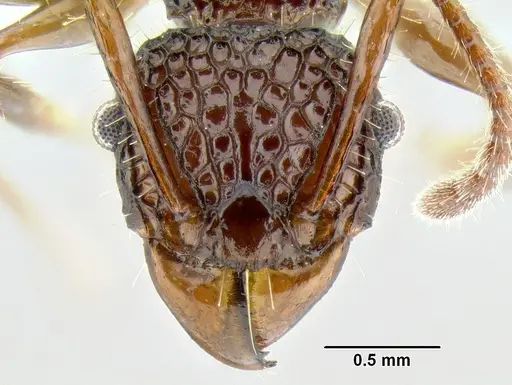
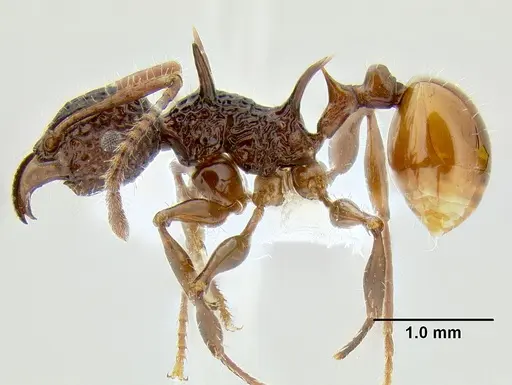
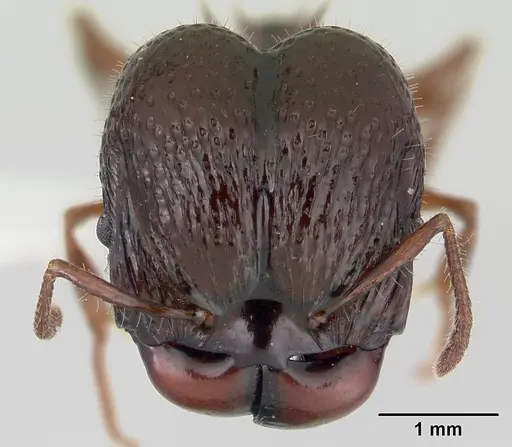
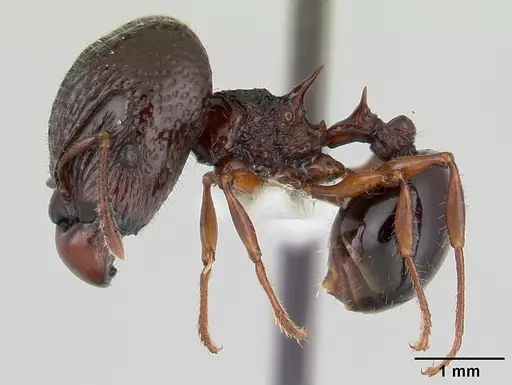
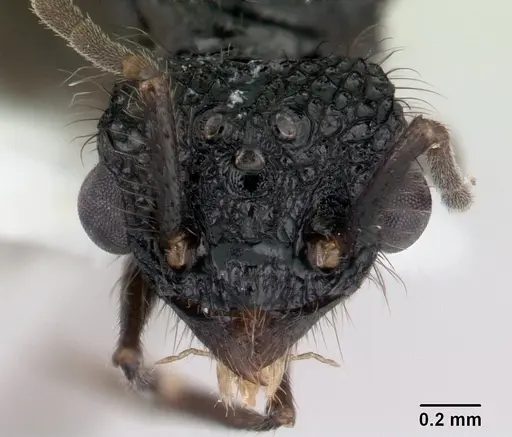
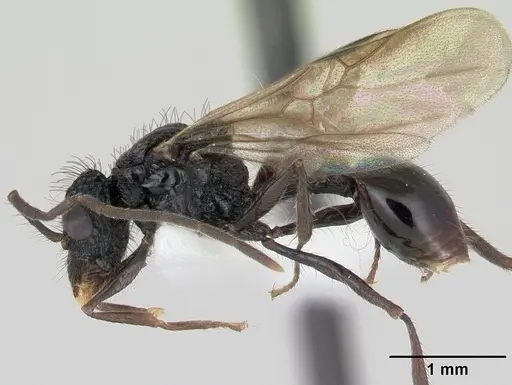
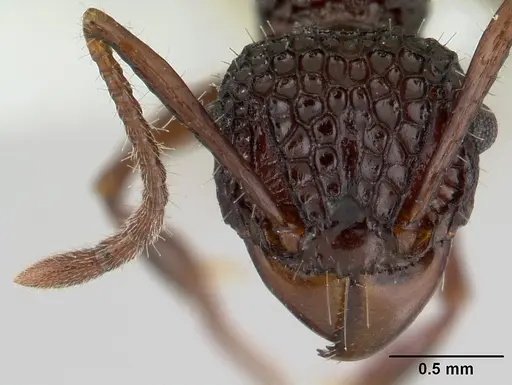
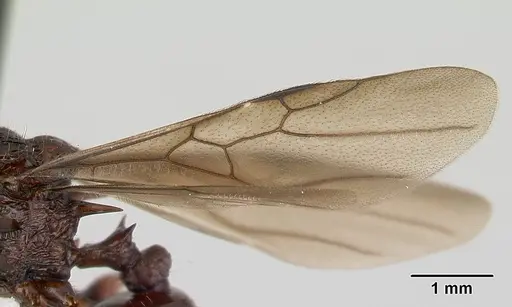
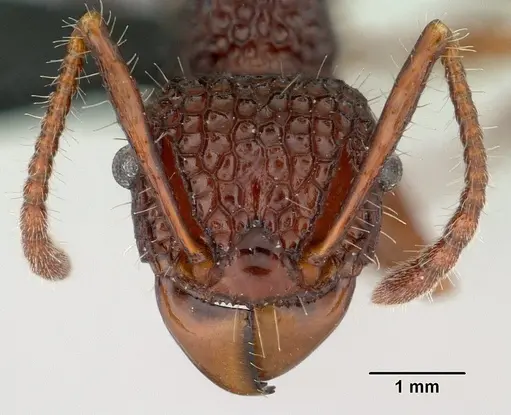
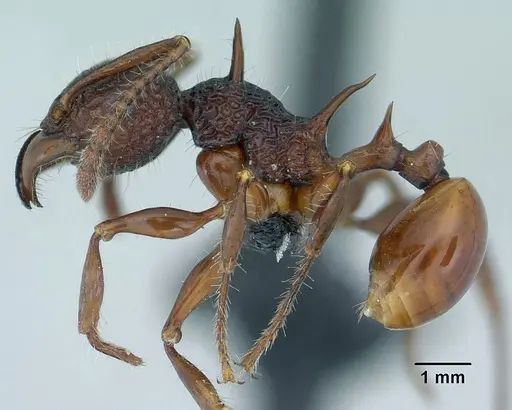
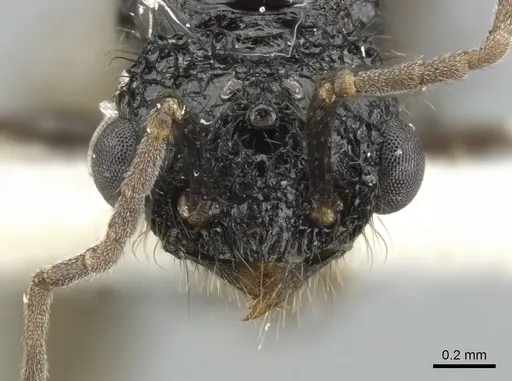
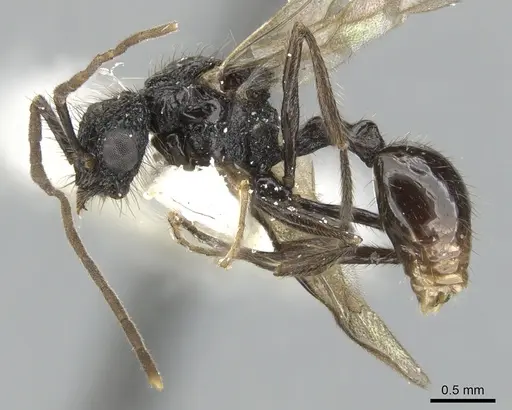
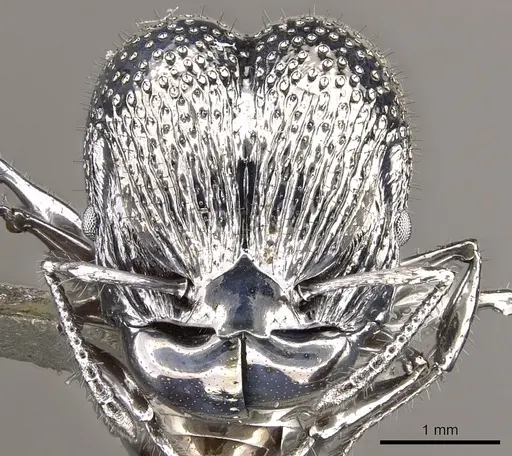
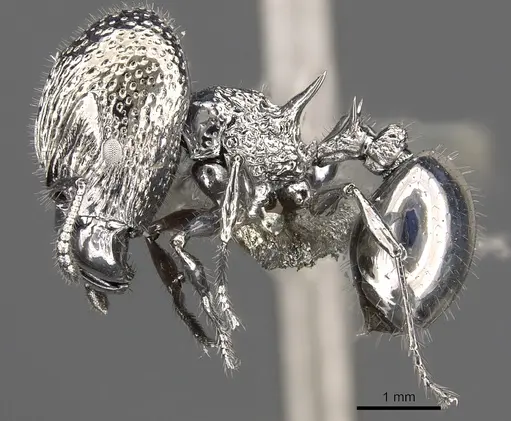
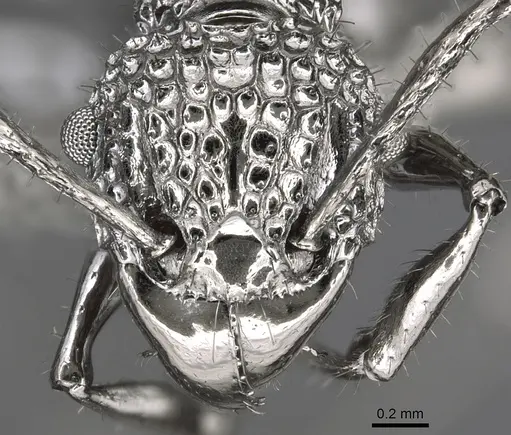
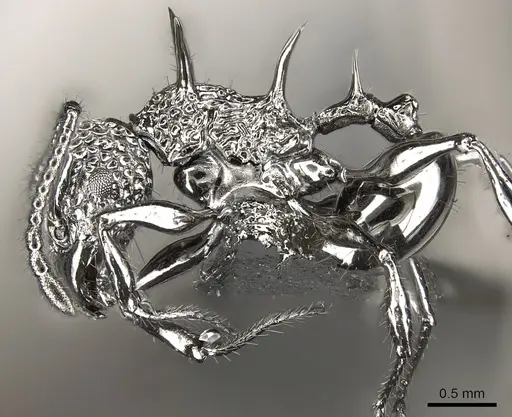
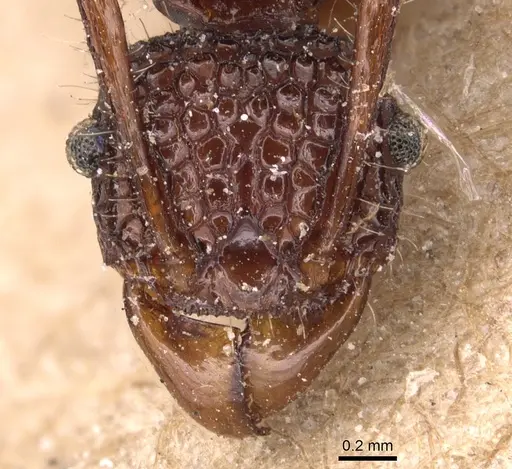
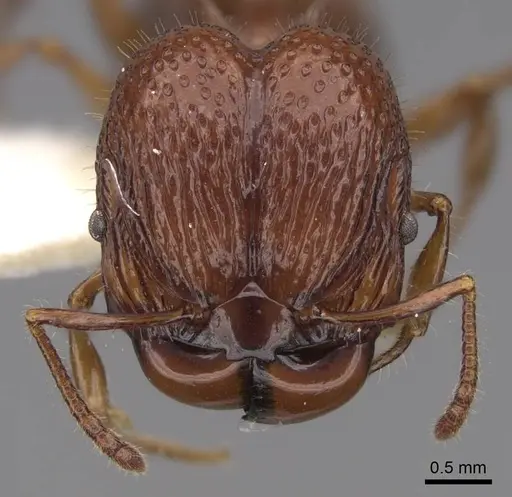
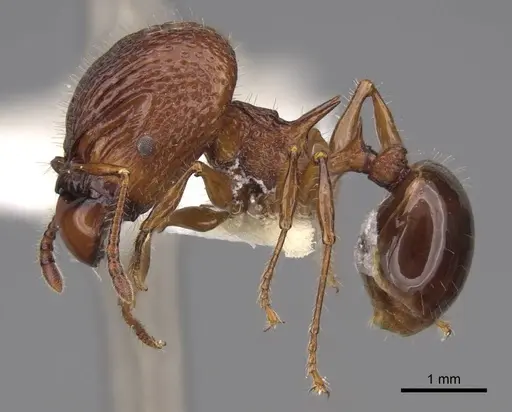
Acanthomyrmex ferox is a tiny Southeast Asian ant with a distinctive spiny petiole and two dramatically different worker sizes. Minor workers are minute at around 1.1 mm head width, while majors are giants with massive heads up to 2.6 mm wide and powerful seed-crushing jaws [1]. They inhabit the leaf litter of Borneo, Peninsular Malaysia, and surrounding regions, nesting in hollow twigs and accumulated dead leaves [2]. What sets them apart is their remarkable diet: they harvest fig seeds almost exclusively from bird droppings dropped on low vegetation, and they feed their colonies using special nutrient-rich eggs called trophic eggs produced by both the queen and the major workers [2][3].
Quick Summary
- Difficulty: Expert
- Origin & Habitat: Southeast Asian rainforests including Borneo, Peninsular Malaysia, Sumatra, and Thailand, found in leaf litter, hollow dead twigs, and forest gaps where sunlight reaches the ground [4][2].
- Colony Type: Single-queen colonies (monogyne) with a unique three-caste system: queen, major workers (soldiers), and minor workers [5][3].
- Colony: Monogyne
- Size & Growth:
- Queen: 1.86-2.30 mm head width [1]
- Worker: Minor workers 1.06-1.12 mm, Major workers 2.42-2.58 mm head width [1]
- Colony: Up to 25-60 total individuals (approximately 25 minor workers and 2-3 majors) [5][3]
- Growth: Slow, colonies remain small even when mature [3]
- Development: Unknown, estimated 6-10 weeks based on tropical Myrmicinae patterns (Development time not directly studied, tropical temperatures likely speed brood development compared to temperate species)
- Antkeeping:
- Temperature: 24-28°C (inferred from tropical habitat), keep warm and stable
- Humidity: Moderate to high humidity (60-80%), nest substrate should feel damp but not waterlogged, matching leaf litter conditions [2]
- Diapause: No, tropical species that remains active year-round
- Nesting: Small cavities mimicking dead twigs or hollow stems, tight chambers with narrow entrances. Naturalistic setups with dead wood and leaf litter work best [2].
- Behavior: Minor workers forage on the forest floor and low vegetation while majors remain in the nest [2]. Majors are peaceful toward minors but will fight aggressively with each other using 'shaking' and boxing behaviors if the queen dies [3]. Tiny size of minors creates high escape risk.
- Common Issues: tiny minor workers can escape through the smallest gaps in mesh or lids., colonies naturally stay small and fragile, making them vulnerable to overfeeding or environmental stress., majors will fight to the death and cannibalize each other's eggs if the queen is lost, often leaving only one dominant major [3]., fig seeds are a critical dietary component, colonies may fail without access to appropriate seeds [2]., test tubes may be too spacious for founding queens, very small cavities are preferred.
Nest Preferences and Setup
In the wild, Acanthomyrmex ferox nests in small dead twigs, hollows of heavily decayed wood, and accumulated dead leaves on the forest floor [2]. They prefer fragile, temporary locations rather than solid wood. For captive colonies, replicate these conditions using small naturalistic setups with dead twigs, hollow stems, or tight cavities in Y-tong (aerated concrete) with narrow entrances. The nest chambers should be tiny, think matchstick-sized tunnels rather than spacious rooms. Keep the substrate moderately damp to mimic the humid leaf litter environment, but ensure good ventilation to prevent mold in these tight spaces. Because colonies are small (under 60 ants), they do not need large nests, in fact, oversized formicariums stress them and make it hard for them to find their trophic eggs.
Feeding and Diet
These ants have one of the most specialized diets in the ant world. They harvest fig seeds almost exclusively from bird droppings found on low vegetation and the forest floor [2]. In laboratory conditions, they readily accepted fresh fig seeds, so you do not need to source bird feces specifically [2]. Offer small fig seeds regularly, these are processed by the major workers using their massive, specialized mandibles designed for crushing hard seeds [6]. Beyond seeds, the colony relies heavily on trophic eggs, unfertilized, nutrient-rich eggs produced by the queen, majors, and even minor workers that are fed to larvae and adults [3]. You should also offer small protein sources like tiny insects or springtails, though the trophic egg system reduces their dependence on external protein. Sugar water or honey may be accepted but is less critical than seeds and protein.
The Three-Caste System and Major Worker Behavior
Unlike most ants with just one worker size, Acanthomyrmex ferox has three female castes: the queen, major workers (soldiers), and minor workers [3]. Minor workers are the only ones that leave the nest to forage [2]. Major workers stay home, crush fig seeds with their powerful jaws, and produce trophic eggs using queen-like ovaries (they have six ovarioles compared to the minors' two) [3][7]. While the queen is present, majors get along peacefully, though they establish strict dominance hierarchies through occasional antennal boxing [3]. However, if the queen dies, the colony enters crisis mode. The majors immediately begin aggressive 'shaking' behavior, grabbing each other and violently shaking to establish dominance [3]. Within three weeks, the dominant major starts laying male eggs, while subordinates are often killed or have their eggs cannibalized by the top-ranked major [3]. This means losing your queen effectively turns your majors into gladiators until only one survives.
Temperature and Seasonal Care
As a tropical species from Borneo and Peninsular Malaysia, Acanthomyrmex ferox requires warm, stable conditions year-round. Keep the nest area between 24-28°C with a gentle heating gradient if possible [1]. They do not require hibernation (diapause) and remain active throughout the year. Humidity should be maintained at moderate to high levels (60-80%) to match their rainforest leaf litter habitat, but avoid waterlogging the nest as this can cause fungal issues in their tight twig-nests. Because colonies are small, temperature fluctuations affect them quickly, keep them in a stable environment away from drafts or direct sunlight that could overheat their small nest volume.
Colony Founding and Growth
Founding behavior has not been directly documented in scientific studies, so the exact method (claustral vs semi-claustral) remains unconfirmed. Based on their cavity-nesting habits and small colony size, they are likely claustral (queen seals herself in and raises first workers on stored fat reserves), but this is speculative. Colonies grow very slowly, naturally reaching only 25-60 individuals even when mature [5][3]. Do not expect the explosive growth seen in species like Tetramorium or Lasius. This slow growth makes them vulnerable to overfeeding and environmental stress, a few dead workers represent a significant portion of the workforce. Patience is essential, these are long-term, low-density colonies rather than booming displays.
Frequently Asked Questions
Can I keep multiple Acanthomyrmex ferox queens together?
No. These ants are monogyne, meaning colonies contain only one queen [5]. Attempting to combine multiple queens will result in fighting and death.
Do Acanthomyrmex ferox ants need fig seeds to survive?
Yes, fig seeds appear to be a critical dietary component. In the wild they harvest them exclusively from bird droppings, and laboratory colonies readily accept fresh fig seeds [2]. While they also eat trophic eggs and some insects, fig seeds should be considered essential for long-term colony health.
Why are my Acanthomyrmex ferox major workers fighting?
If your major workers (soldiers) are fighting using 'shaking' behavior or antennal boxing, your queen has likely died or is failing. In queenless colonies, majors fight to establish dominance, with the winner becoming the sole egg-layer (producing only males) and often cannibalizing the eggs of subordinates [3]. This is normal behavior for orphaned colonies but means your colony is in trouble.
How big do Acanthomyrmex ferox colonies get?
They remain small. Wild colonies typically contain only 17-60 total ants, including about 25 minor workers and 2-3 major workers [5][3]. Do not expect them to grow into large colonies with hundreds of workers.
Do Acanthomyrmex ferox ants sting?
They possess a stinger but are too small to penetrate human skin effectively. They are not considered dangerous to humans, though majors can give a slight pinch with their mandibles.
Are Acanthomyrmex ferox good for beginners?
No. They are considered an expert-level species due to their specialized dietary needs (fig seeds), extremely small colony size, aggressive major worker behavior if the queen is lost, and tiny minor workers that can easily escape.
How long until Acanthomyrmex ferox gets their first workers?
The egg-to-worker timeline has not been documented, but as a tropical species, development is likely faster than temperate ants, estimated 6-10 weeks at 25-28°C. However, this is speculative as no direct studies exist.
What is the best nest type for Acanthomyrmex ferox?
Small naturalistic setups with dead twigs, hollow stems, or tight cavities in Y-tong (aerated concrete) work best. They need tiny chambers and narrow passages scaled to their small size, mimicking their natural leaf litter and dead wood nesting sites [2].
Do Acanthomyrmex ferox need hibernation?
No. They are a tropical species from Southeast Asia and remain active year-round. Do not cool them down for winter [1].
References

This caresheet is licensed under CC BY-SA 4.0 .
CASENT0106243
View on AntWeb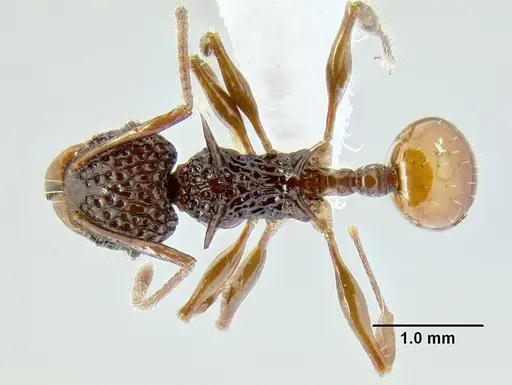
CASENT0178570
View on AntWeb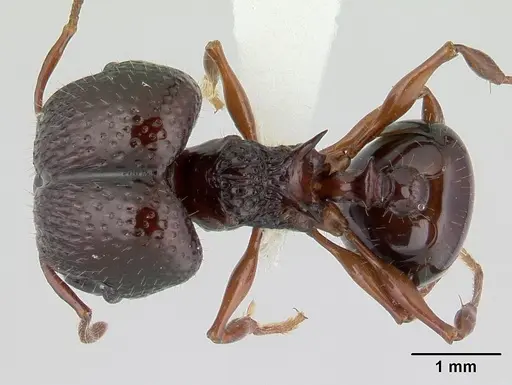
CASENT0178571
View on AntWeb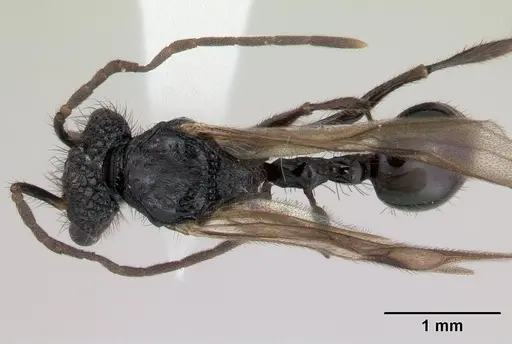
CASENT0178572
View on AntWeb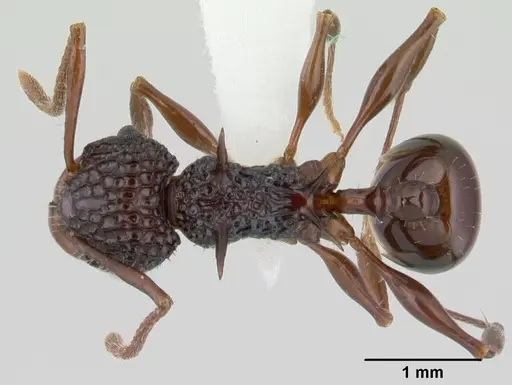
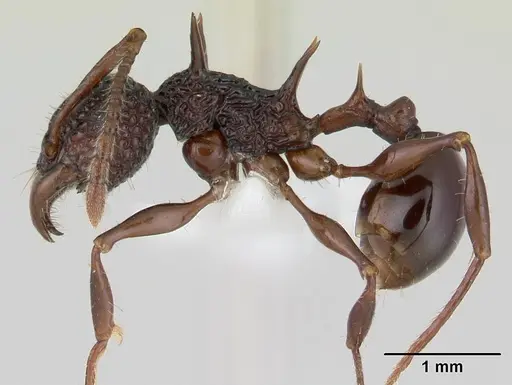
CASENT0178573
View on AntWeb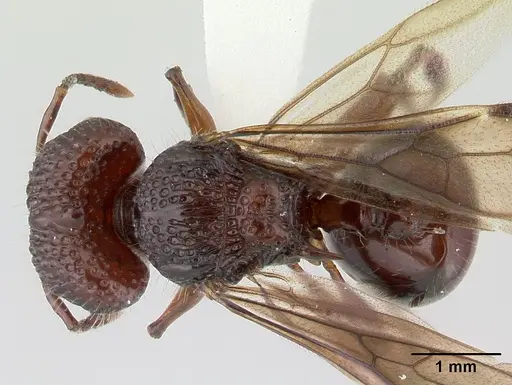
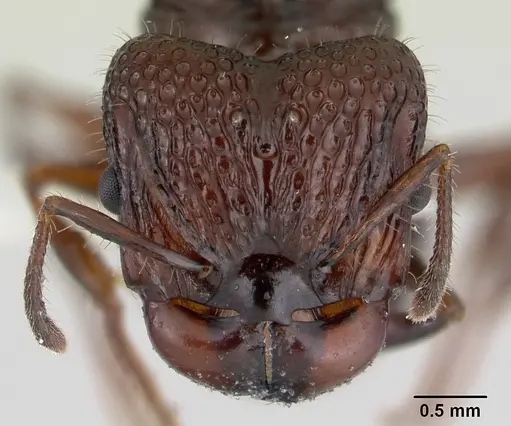
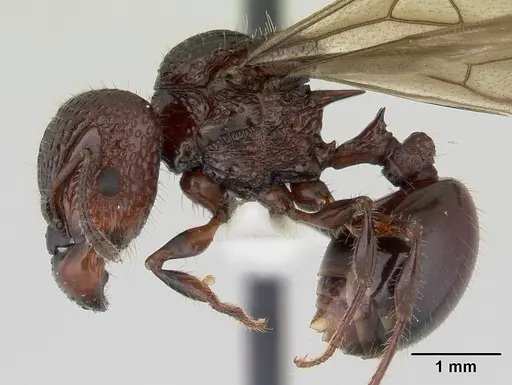
CASENT0179619
View on AntWeb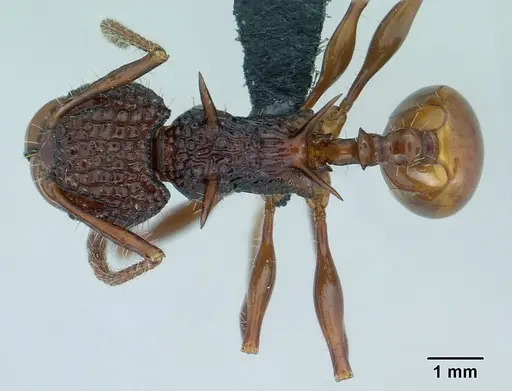
CASENT0901705
View on AntWeb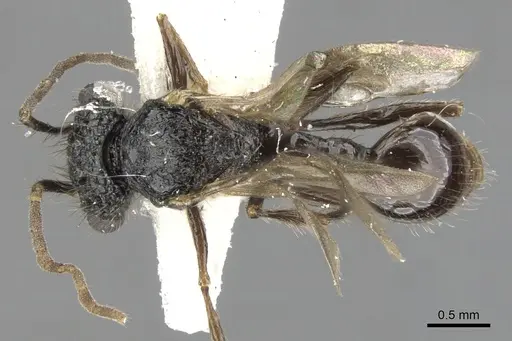
CASENT0901787
View on AntWeb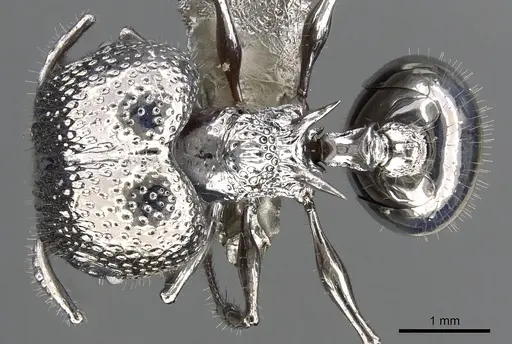
CASENT0901788
View on AntWeb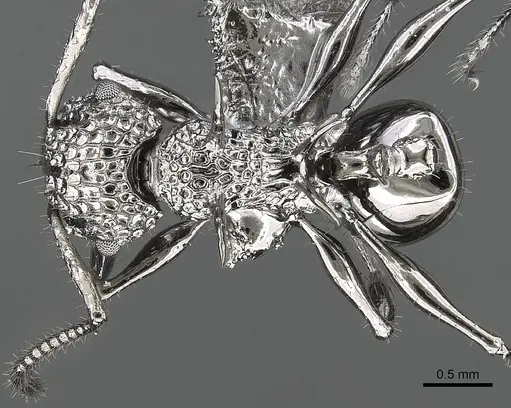
CASENT0904703
View on AntWeb
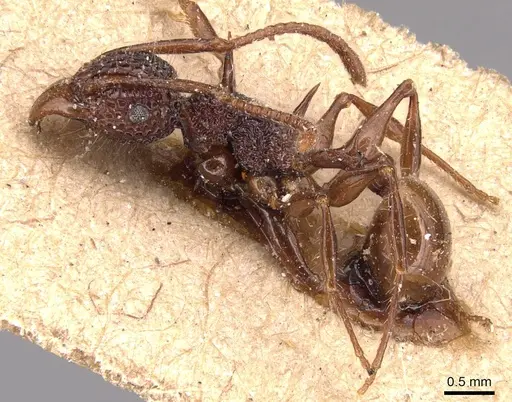
CASENT0922953
View on AntWeb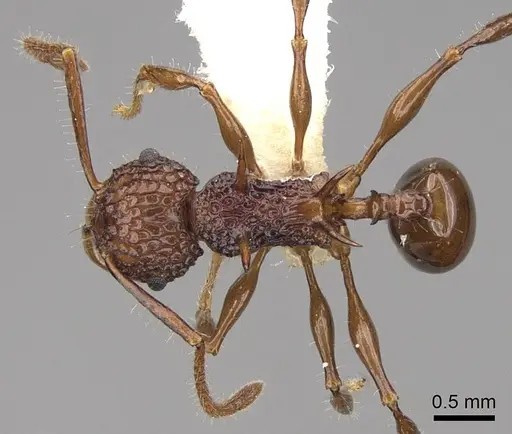
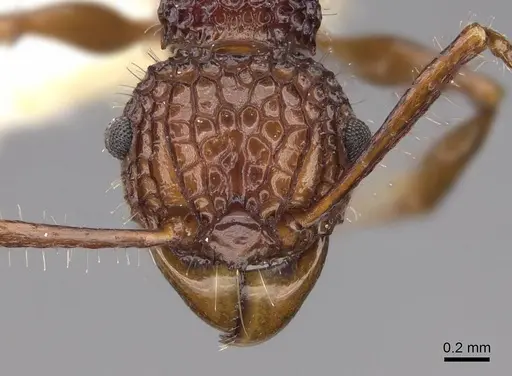
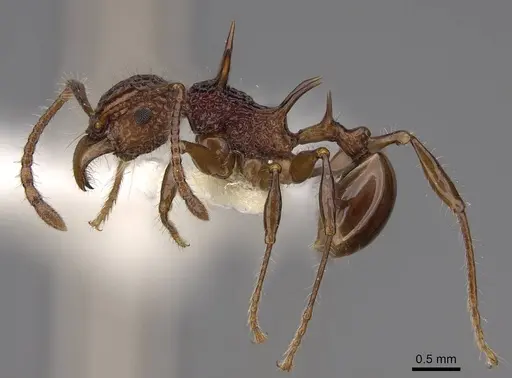
CASENT0922954
View on AntWeb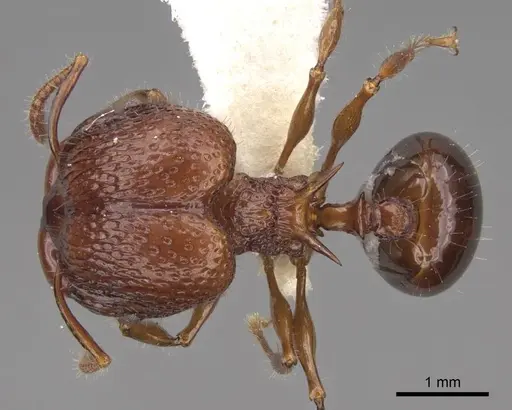
Literature
Loading...Loading products...