

Acanthognathus ocellatus
- Scientific Name
- Acanthognathus ocellatus
- Tribe
- Attini
- Subfamily
- Myrmicinae
- Author
- Mayr, 1887
- Distribution
- Found in 11 countries
Acanthognathus ocellatus Overview
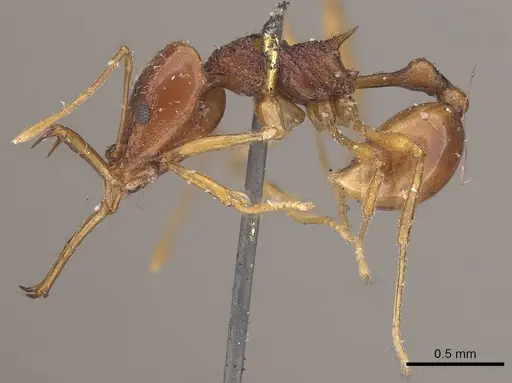
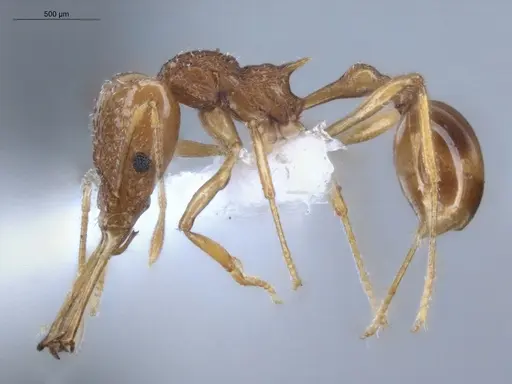
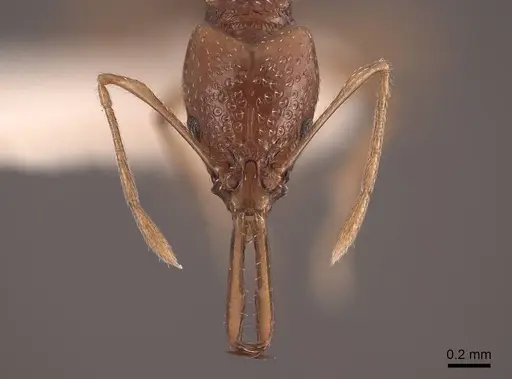
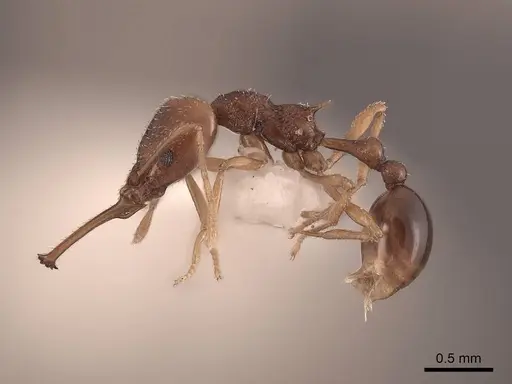
Acanthognathus ocellatus is an ant species of the genus Acanthognathus. It is primarily documented in 11 countries , including Brazil, Colombia, Costa Rica. Detailed taxonomic data and occurrence records can be further explored via authoritative databases such as AntWeb or the Global Biodiversity Information Facility (GBIF).
Acanthognathus ocellatus
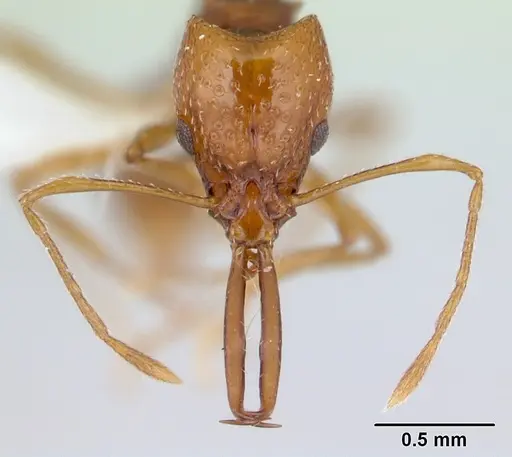
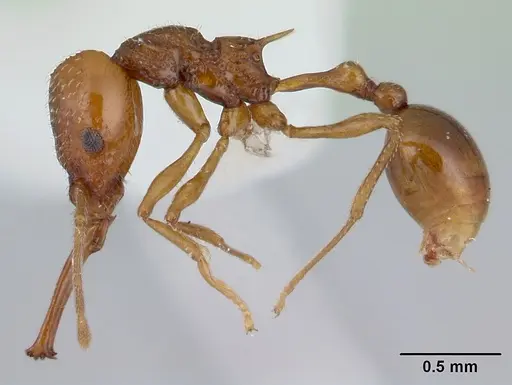
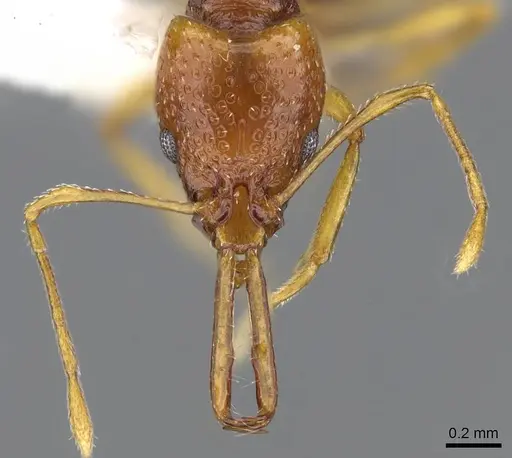
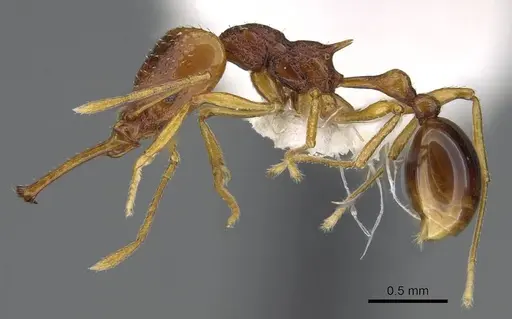
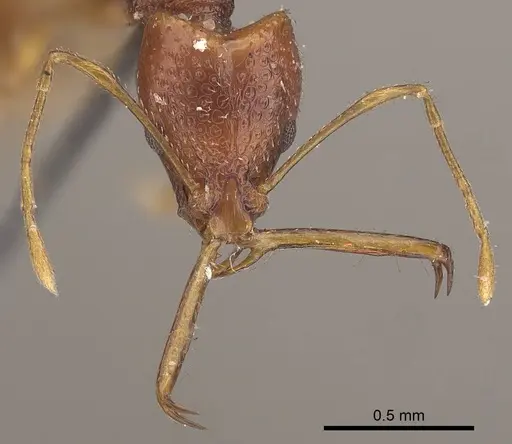
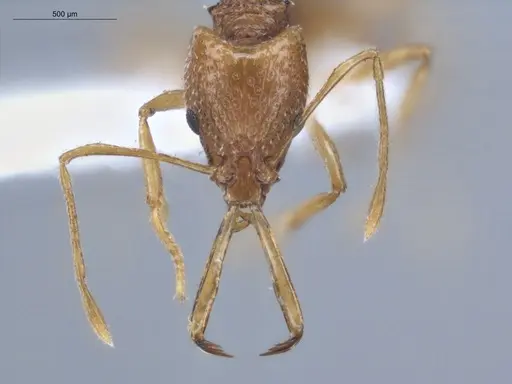
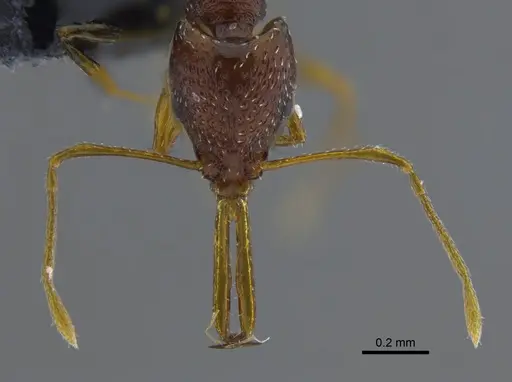
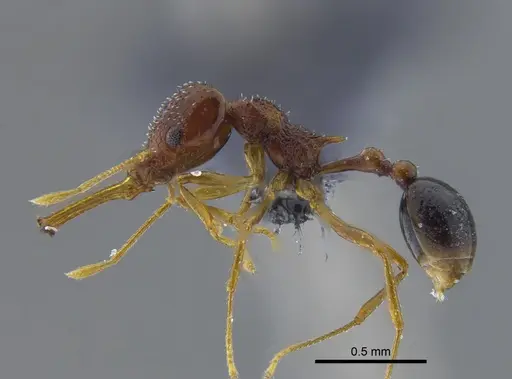
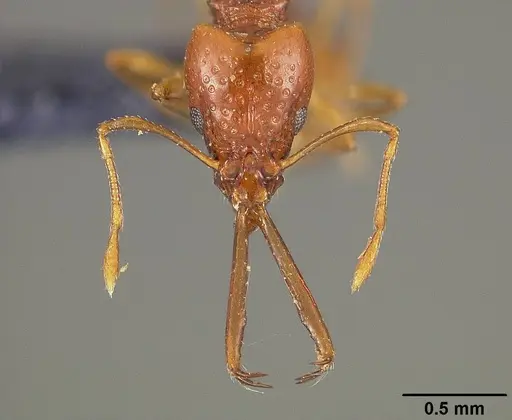
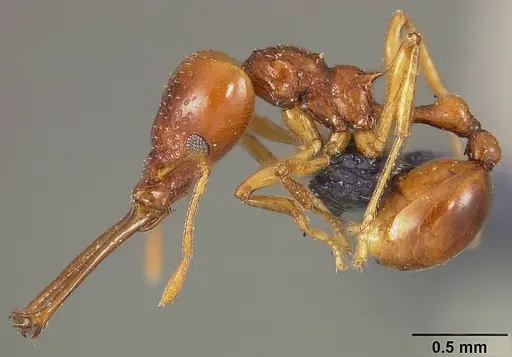
Acanthognathus ocellatus is a tiny trap-jaw ant native to the leaf litter and soil of Neotropical primary forests, ranging from Mexico south through Central America to Brazil [1][2]. Workers reach just 3.7-4.3 mm in length and possess extraordinary elongated mandibles that open more than 170 degrees to snap shut on prey with a kinetic strike [3][4].
What sets this species apart is its dual queen system: colonies produce both normal winged queens and ergatoid queens (wingless reproductive forms that resemble large workers) [4]. These cryptic predators hunt small arthropods in the dark, humid spaces beneath rotting leaves and in soil cavities, making them a challenging but fascinating species for advanced keepers [3][5].
Quick Summary
- Difficulty: Hard
- Origin & Habitat: Neotropical primary forests, leaf litter and soil in Brazil, Colombia, Costa Rica, and throughout Central America to Mexico [1][2][3].
- Colony Type: Single-queen colonies with both winged and ergatoid (wingless) replacement reproductives documented [4].
- Colony: Monogyne
- Size & Growth:
- Queen: Winged queens 4.6-5.1 mm, ergatoid queens 4.0-4.3 mm [4].
- Worker: 3.7-4.3 mm [4].
- Colony: Unknown, likely small to moderate based on predatory lifestyle.
- Growth: Slow to moderate.
- Development: Unknown, likely 6-10 weeks at 24-26°C based on similar tropical myrmicines. (Development time is unconfirmed for this species. Tropical temperatures should speed development compared to temperate ants.)
- Antkeeping:
- Temperature: Keep at 24-26°C year-round, tropical species with no cold tolerance.
- Humidity: High humidity required, keep substrate damp like forest leaf litter, with some slightly drier areas available.
- Diapause: No.
- Nesting: Small chambers in soil or rotting wood, naturalistic setups with leaf litter and soil mix work best [3][5].
- Behavior: Specialized ambush predator using kinetic trap-jaw mandibles to capture prey [3]. Cryptic and ground-dwelling, not aggressive to humans due to small size [5].
- Common Issues: tiny size means escapes are likely without fine mesh barriers and perfect sealing., colonies may starve if offered only dead prey or insects too large to subdue., wild-caught colonies from primary forest often carry parasitic mites that can overwhelm captive nests., substrate that is too dry causes rapid decline in these humidity-dependent ants.
Nest Preferences and Habitat
In nature, Acanthognathus ocellatus lives in the leaf litter layer and soil of primary forests [2]. They are hypogaeic, meaning they spend most of their time underground or in the dark spaces beneath rotting vegetation [5]. They nest in soil cavities, under decaying wood, and within compacted leaf litter [3]. For captive care, replicate these conditions with a naturalistic setup containing a mix of coco fiber, leaf litter, and small pieces of rotting wood. Provide small chambers or cavities roughly 5-10 mm in diameter. Keep the substrate consistently moist but not waterlogged, it should feel damp to the touch when you dig a finger into it. Avoid tall, open spaces, these ants prefer tight, enclosed areas that mimic their cryptic wild habitat.
Feeding and Trap-Jaw Hunting
These ants are specialized predators that hunt using a kinetic trap-jaw mechanism. Their mandibles open fully to more than 170 degrees, then snap shut in a fraction of a second to stun or kill small prey [3]. In captivity, they require small live prey. Offer springtails, fruit flies, or pinhead crickets. Prey should be small enough that workers can carry it easily. They may not accept dead insects or sugar sources like honey water, as their biology is geared toward hunting live micro-arthropods. Feed small amounts frequently rather than large prey items that might rot in the humid nest.
Temperature and Seasonal Care
As a tropical species ranging from Mexico to Brazil, Acanthognathus ocellatus requires warm temperatures year-round [1]. Keep the nest area between 24-26°C. You can create a gentle gradient with a heating cable on one side of the formicarium, placed on top to avoid evaporating moisture from below. Do not allow temperatures to drop below 20°C for extended periods. These ants do not require hibernation or diapause, they remain active throughout the year. Maintain consistent conditions rather than seasonal fluctuations.
Queen Types and Colony Structure
Acanthognathus ocellatus has a unique reproductive system with two types of queens. Winged queens are larger (4.6-5.1 mm) with well-developed eyes and three ocelli [4]. Ergatoid queens are smaller (4.0-4.3 mm), wingless, and have reduced eyes and typically only a single median ocellus [4]. Both types can occur in the same colony, suggesting that ergatoids serve as replacement reproductives if the primary winged queen dies [4]. This means colonies may persist longer than typical single-queen setups, but you should not assume you can combine multiple founding queens, pleometrosis (multiple queens founding together) has not been documented in this species.
Frequently Asked Questions
Can I keep Acanthognathus ocellatus in a test tube?
Yes for founding, but provide a soil or leaf litter substrate rather than bare glass, as they need humidity and something to grip. Move them to a naturalistic setup once workers arrive.
How long until first workers for Acanthognathus ocellatus?
The egg-to-worker timeline is unconfirmed. Based on similar small tropical myrmicines, expect roughly 6-10 weeks at 24-26°C, but this is an estimate.
Do Acanthognathus ocellatus need hibernation?
No. They are tropical ants and remain active year-round at warm temperatures.
What do Acanthognathus ocellatus eat?
They are specialized predators that hunt small live prey like springtails, fruit flies, and tiny crickets using their trap-jaw mandibles. They may not accept dead insects or sugar water.
Are Acanthognathus ocellatus good for beginners?
No. They are difficult due to their tiny size, specialized live prey requirements, and need for high humidity and naturalistic nesting materials.
Can I keep multiple Acanthognathus ocellatus queens together?
Not recommended. While the species has ergatoid replacement queens, combining unrelated founding queens has not been documented and likely leads to fighting.
What is the best nest type for Acanthognathus ocellatus?
Naturalistic setups with soil and leaf litter, or small Y-tong nests with narrow chambers. They need humid, enclosed spaces that mimic leaf litter.
References

This caresheet is licensed under CC BY-SA 4.0 .
CASENT0178718
View on AntWeb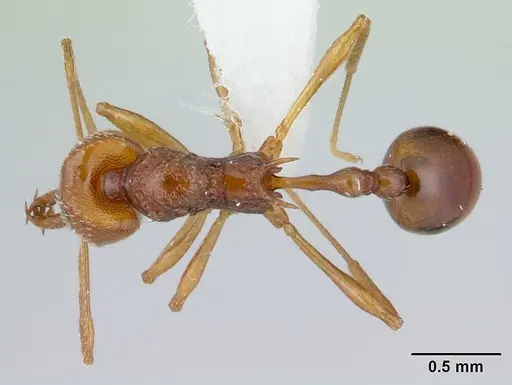
CASENT0914660
View on AntWeb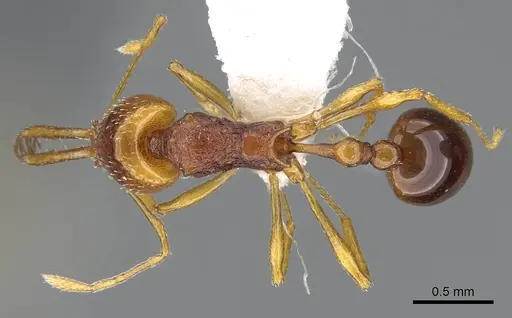
CASENT0919583
View on AntWeb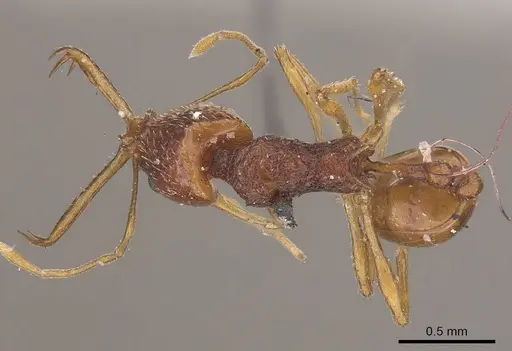
ECOFOG-IT14-0954-40
View on AntWeb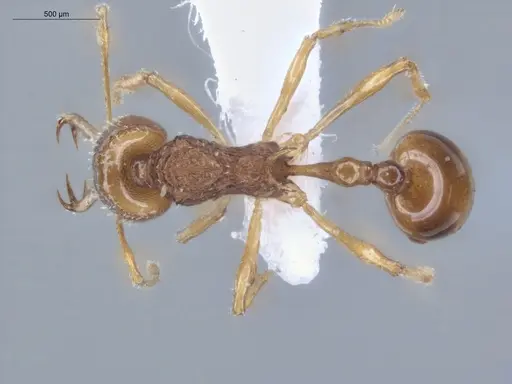
FMNHINS0000047884
View on AntWeb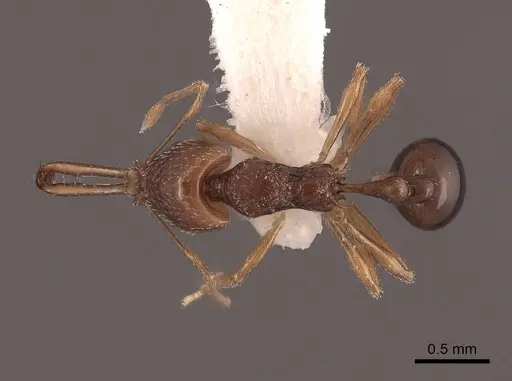
IAVH-E-222611
View on AntWeb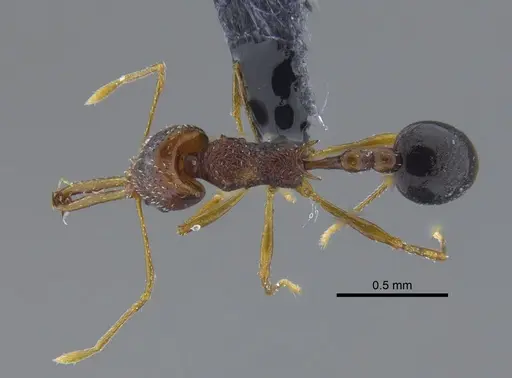
USNMENT00445730
View on AntWeb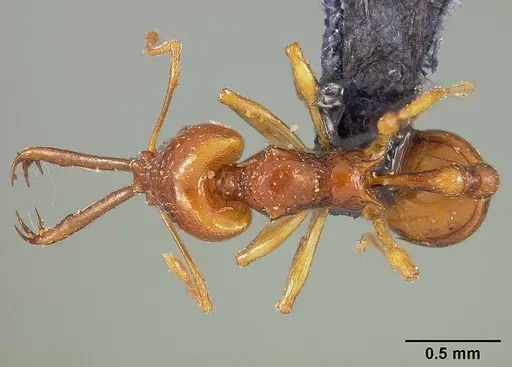
Literature
Loading...Loading products...